
Memorial Day sticker shock: Gas prices near all-time highs
Memorial Day sticker shock: Gas prices near all-time highs
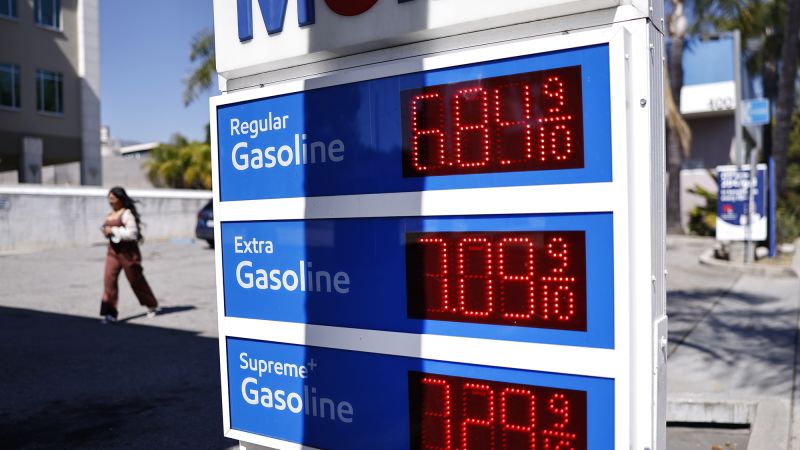
Memorial Day sticker shock – Millions of American drivers are preparing for the Memorial Day holiday, but many will be dreading the surge in fuel costs. As the nation gears up for summer travel, gas prices have reached unprecedented levels, causing widespread concern. The ongoing conflict with Iran has disrupted global energy markets, leading to a sharp rise in pump prices despite efforts by the Trump administration to mitigate the impact. This financial strain is intensifying during the unofficial start of the summer driving season, amplifying the frustrations of consumers already grappling with the broader cost-of-living crisis.
The role of geopolitical tensions
The war in the Middle East has sent shockwaves through the energy sector, creating volatility in oil markets. Even as the Trump administration implements emergency measures to stabilize prices, the ripple effects of the conflict continue to push costs upward. GasBuddy, a widely trusted platform for tracking fuel prices, forecasts that the national average will hover around $4.48 per gallon this weekend. This figure marks a 42% increase compared to last year’s Memorial Day, making it the second-highest recorded price. The only time gas prices exceeded this level was in 2022, when the average reached $4.61 following Russia’s invasion of Ukraine.
Experts warn that the price trajectory may not stabilize anytime soon. Patrick De Haan, GasBuddy’s lead petroleum analyst, told CNN that if the Strait of Hormuz remains closed, the average price for regular gasoline could climb to $5 per gallon by the end of the month. For the entire summer season, spanning from Memorial Day to Labor Day, GasBuddy anticipates an average of $4.80 per gallon, surpassing the previous summer high of $4.43 set during President Biden’s term in 2022. “Prices were incredibly stable last summer. This summer is probably the complete opposite, perhaps the most volatile,” De Haan remarked, emphasizing that the outlook depends heavily on the situation in the Strait of Hormuz.
Government responses and energy reserves
US oil inventories have plummeted to record lows, exacerbating the supply crisis. The Strategic Petroleum Reserve, a key buffer for emergencies, has seen a 10% decline since the conflict began, reaching its lowest level in two years. Andy Lipow, president of Lipow Oil Associates, noted the unsustainable nature of the current price trends. “You cannot do this forever,” he said, highlighting the growing pressure on households and businesses.
The Trump administration has taken several drastic steps to address the situation. These include releasing vast quantities of oil from the Strategic Petroleum Reserve, waiving the Jones Act, invoking the Defense Production Act, and temporarily halting sanctions on Russian oil. However, these measures have yet to fully curb the upward trend in prices. According to the White House, the goal is to leverage maximum pressure on Iran to end the conflict, which would in turn help stabilize global energy markets and return gas prices to multi-year lows.
Consumer impact and economic consequences
The financial burden of the gas price spike is particularly harsh for everyday Americans. AAA reports that a record 39.1 million people are expected to travel by car this Memorial Day weekend, a figure nearly identical to last year’s. Yet, for those with lengthy commutes, the cost of fuel has become a significant drain. Chris Haenel, a Pittsburgh resident, noted that his weekly gas expenditure has jumped from $50 to $80 since the Iran war began. “Every day, I drive by the gas station and it’s just insane,” Haenel said, describing the overwhelming cost for a computer technician working to make ends meet.
The surge in fuel prices has also contributed to the US inflation rate climbing to nearly 4% in April. This marks the first time in three years that real wages—adjusted for inflation—are declining. Consumers are seeing prices rise faster than their incomes, with Haenel lamenting that groceries alone now cost $300 per week for his family. “I’m 60 years old and trying to save for retirement, but this is limiting how much I can save,” he added, reflecting the broader sentiment among Americans.
Broader economic concerns and public sentiment
The financial strain from high gas prices is reshaping voter perceptions of the Trump administration. A recent CNN poll revealed that just 21% of Americans approve of Trump’s handling of fuel costs, a stark contrast to his previous focus on energy policy. Even within his own party, a majority of Republicans express dissatisfaction with how the administration has managed the issue. The survey also found that 75% of respondents believe the war with Iran has negatively impacted their personal finances.
White House officials remain optimistic, asserting that the administration’s efforts will eventually yield results. Taylor Rogers, a White House spokeswoman, stated, “President Trump remains committed to fully unleashing American energy dominance, lowering costs, and putting more money back in the pockets of hardworking American families.” The administration claims that its aggressive approach to Iran, including the ongoing blockade, will lead to a resolution of the conflict and a subsequent drop in energy prices.
Meanwhile, economists and analysts are closely monitoring the situation. The Brown University Climate Solutions Lab estimates that energy costs have risen by $43 billion since the Iran war began, based on current gasoline and diesel prices compared to expected levels in a stable market. Gasoline alone accounts for approximately $24 billion of this increase, translating to nearly $200 per household. These figures underscore the growing urgency to address the energy crisis before it further undermines consumer spending and economic growth.
Looking ahead: A summer of uncertainty
As the summer months approach, the outlook for gas prices remains uncertain. The combination of geopolitical instability, dwindling oil reserves, and limited government intervention has created a perfect storm for consumers. De Haan’s warning about the potential for prices to reach $5 per gallon by the end of the month is a reminder that the situation could worsen. For many Americans, the summer season now carries the weight of both joy and economic hardship, with travel plans intertwined with the rising cost of fuel.
The challenge for the administration is to balance immediate relief with long-term strategy. While emergency measures have provided some short-term stability, they may not be enough to counteract the ongoing supply disruptions. As the nation prepares for a busy summer travel period, the question remains: will the current price trends abate, or will they continue to fuel public discontent with the Trump economy?
