
Did the Iran war force peak oil?
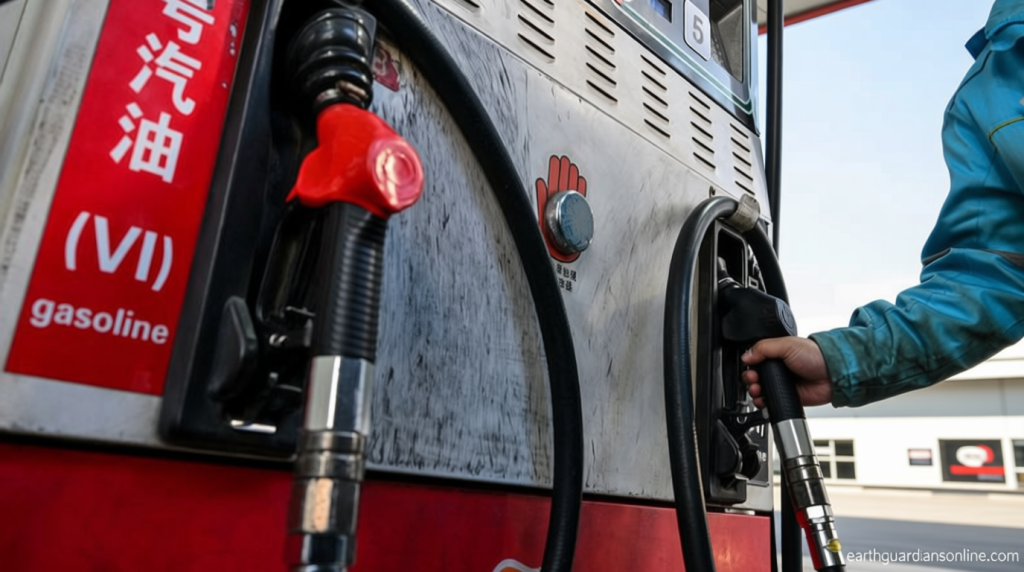
Did the Iran War Force Peak Oil?
Did the Iran war force peak – China’s energy landscape has taken an unexpected turn, according to recent analysis by JPMorgan. The country’s oil demand dropped by 9% compared to pre-Iran war levels, marking a significant shift in global energy trends. This decline, though severe, hasn’t triggered an economic crisis, unlike the 2% global drop during the 2008 Great Recession. Despite the massive disruption in oil supply and its status as Iran’s largest customer, China’s energy situation appears stable. The reduction in oil consumption isn’t driven by strict government policies, but rather by rapid changes in how consumers use energy.
A Consumer-Driven Energy Shift
Chinese citizens have actively adjusted their habits, favoring electric vehicles (EVs) and public transportation over gas-guzzling cars and long-distance travel. This behavior has led to a notable decrease in oil demand, even as the Strait of Hormuz crisis caused shortages elsewhere. During the May Day holiday, EV charging on highways increased by 55.6% year-over-year, according to China’s Ministry of Transport. Over the holiday, nearly a quarter of highway vehicles were EVs—a 33% rise from the previous year. Meanwhile, domestic air travel declined by 5.7%, though this was largely due to reduced international flights. Regional travel rebounded slightly, growing by 3.5%, and rail journeys surged by 4.6%, showing a broader shift toward sustainable mobility.
Such trends aren’t unique to China. Europe, for instance, has seen a rise in hybrid and electric vehicle sales, with new car registrations hitting a seven-year peak. This surge is partly fueled by falling electricity prices, thanks to sustained investments in wind and solar energy. However, the U.S. has lagged behind, as Republican-led policies and President Trump’s stance have curtailed government incentives for EV adoption. Still, the combined effect of these changes in two major economies could lead to a lasting reduction in oil demand, as warned by Natasha Kaneva, head of commodities strategy at JPMorgan. “History suggests that past oil shocks often left lasting declines in gasoline demand, and this episode may prove no different,” she stated.
Historical Precedents for Energy Transition
China’s recent actions echo historical patterns of energy adaptation. The 1973 oil embargo, for example, prompted widespread and enduring shifts in how nations approached energy. The International Energy Agency (IEA) was formed to coordinate efforts, with member countries committing to reduce oil dependence. During that decade, nuclear power plants expanded rapidly, public transit systems improved, and vehicle efficiency standards were raised. The U.S., in particular, implemented measures like lowering the national speed limit to 55 miles per hour and establishing the Department of Energy to manage energy resources. These changes resulted in the largest fossil fuel demand reduction in American history, as noted by Jason Bordoff, founding director of the Center on Global Energy Policy at Columbia University.
“It was a sort of collective shock to the American system that did drive policymakers to push oil out,” said Bordoff.
Similar long-term adjustments have followed other crises. The pandemic, for instance, normalized remote work and virtual meetings, permanently altering commuting patterns and reducing the need for physical office spaces. Likewise, the European Union’s response to Russia’s 2022 invasion of Ukraine included aggressive policies to cut reliance on natural gas, steering investment toward renewable energy sources. These examples suggest that energy transitions often emerge from unexpected events, reshaping consumption habits and infrastructure over time.
Global Oil Demand in Flux
The current Iran war has had a measurable impact on global oil demand. In March, consumption fell by 2.8 million barrels per day. By April, the decline reached 4.3 million barrels, and in May, it surged to 5.6 million. While this is significant, it hasn’t yet matched the pandemic’s 10 million barrel-per-day loss. Yet, the trend indicates a growing divergence from pre-crisis norms. Some of this decline is likely to be temporary, as supply chains stabilize and oil prices fluctuate. However, the shift in consumer behavior, particularly toward EVs, signals a more permanent transformation.
China’s reliance on crude stockpiles has provided a temporary buffer against shortages. These vast reserves, built up well before the war, have insulated the country from the immediate effects of neighboring nations’ rationing. But as Kaneva emphasized, the most profound changes are in how people use energy. The rise of EVs, for instance, isn’t just a response to high gas prices—it reflects a broader cultural and technological shift toward cleaner alternatives. This trend could redefine the global oil market, reducing dependence on fossil fuels even in the absence of ongoing disruptions.
Other countries are also experiencing this phenomenon. In Europe, the affordability of EVs has accelerated adoption, with renewable energy investments lowering electricity costs. This contrasts with the U.S., where the removal of subsidies has slowed progress. However, the cumulative impact of changes in major economies could still reshape demand. Even a partial and sustained decline might push the world toward a new equilibrium, where oil’s dominance is challenged by alternative energy sources and evolving consumer priorities.
Analysts suggest that the current crisis is a pivotal moment in the energy transition. While the global market may recover some lost demand, the pace of change in sectors like transportation and industry indicates a long-term shift. This aligns with the concept of “peak oil”—the point at which global demand begins to decline irreversibly. The 1973 embargo and the pandemic both demonstrated that energy shocks can catalyze lasting changes, and the Iran war may be another catalyst. If this trend continues, the world might be on the cusp of a new era where oil’s role as the primary energy source is gradually diminished.
As the war unfolds, its impact on oil demand will depend on how long the disruptions persist and how quickly alternatives gain traction. China’s experience shows that even large economies can adapt rapidly to energy crises, driven by consumer choices rather than top-down mandates. This adaptability may serve as a model for other nations facing similar challenges. Whether this marks the beginning of a permanent decline in oil use or a temporary setback will likely shape the next phase of the global energy landscape. For now, the signs point to a world that is beginning to wean itself off crude, one shift at a time.
