
Diarrhea-causing parasite that can contaminate raw produce causing misery across several states
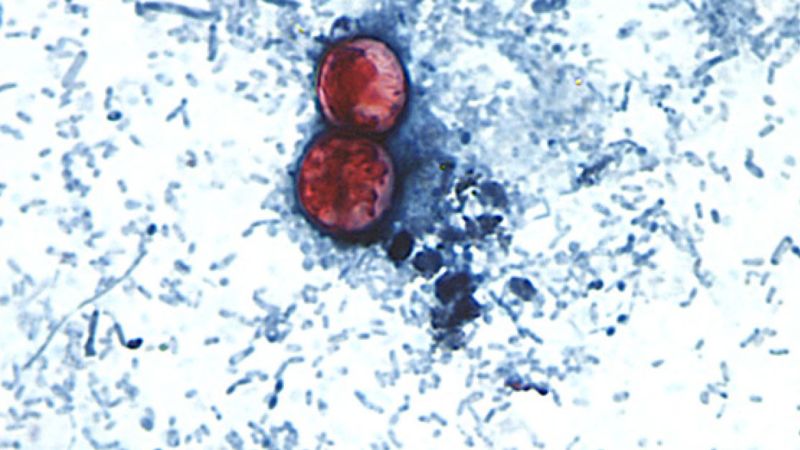
Diarrhea-Causing Parasite Spreading Across Multiple States
Summer Surge in Cyclospora Cases
Diarrhea causing parasite that can contaminate – This July Fourth weekend, people across several states are being advised to scrutinize their raw fruits and vegetables. A parasitic infection known as cyclosporiasis, triggered by the Cyclospora parasite, is causing widespread gastrointestinal distress. The U.S. Centers for Disease Control and Prevention (CDC) has documented 145 cases in 17 states between May 1 and June 16, marking a significant uptick compared to previous years. At least 20 individuals have required hospitalization due to severe symptoms, according to the agency’s latest update.
The CDC notes that case numbers often increase during the summer months, but the current spike appears unusually steep. In Michigan, a state that usually reports around 50 cases annually, 170 cases have been recorded in just nine days. These cases are concentrated in seven specific counties, as reported by the state’s Department of Health. Notably, Michigan’s data does not overlap with the CDC’s broader statistics, suggesting a localized outbreak.
Similarly, New York State, excluding New York City, has seen 107 cases since May 1. The New York State Department of Health estimates that the state typically logs 500 to 700 cases each year, making this summer’s figures a marked deviation. Officials from both federal and state agencies emphasize that while the cases are growing, there is no evidence pointing to a single multistate outbreak responsible for all infections.
How the Parasite Spreads
Cyclospora, a single-celled parasite, spreads through contaminated food and water. Dr. David Freeman, a professor emeritus of infectious diseases at the University of Alabama at Birmingham, explains that the parasite is present in human feces and can be transferred to crops via irrigation water. Once on plants, it thrives in humid conditions, leading to rapid multiplication, he notes.
“In the warm, moist environment of a farm field, Cyclospora can multiply quickly,” Freeman said. “This is why the parasite often causes issues in summer when temperatures rise.”
While the CDC reports that some cases are linked to travel, the current outbreak does not involve a history of recent trips for affected individuals. This suggests that local food sources may be the primary vector. However, no single food item has been definitively identified as the source of the outbreaks, prompting ongoing investigations into potential clusters.
Freeman highlights two produce categories frequently associated with cyclosporiasis: leafy greens and fresh berries. He describes the “basil and herb” group as including cilantro, basil, and other plants commonly used in salads or as garnishes. The “fresh berry” category comprises strawberries, blueberries, and melons, which are often consumed raw. Both types of produce are vulnerable to contamination if irrigation water is not adequately treated.
Prevention and Hygiene Measures
Public health experts stress that thorough washing of fresh produce is essential to reduce the risk of infection. Freeman explains that simply rinsing fruits and vegetables with water can remove the parasite, though more rigorous cleaning may be necessary depending on the source. “The act of washing with abundant water definitely helps eliminate the organisms,” he said.
However, the parasite is resilient and cannot be eradicated by standard household cleaners like bleach. Freeman points out that while Clorox wipes are useful for surface disinfection, they are not sufficient to kill Cyclospora. Instead, he recommends washing hands with soap and water before handling food and using alcohol-based sanitizers afterward.
“Handwashing is a critical step, especially when dealing with fresh produce,” Freeman emphasized. “Even if you use Clorox wipes, they won’t fully eliminate the parasite unless you apply them correctly and consistently.”
Proper hygiene practices extend beyond personal handwashing. Kitchen counters and cutting surfaces should also be cleaned thoroughly. Freeman adds that the parasite’s resistance to common disinfectants underscores the need for careful preparation. For instance, fruits like melons, which have a textured surface, may require scrubbing rather than just rinsing.
Symptoms and Treatment
Freeman outlines the typical symptoms of cyclosporiasis as frequent, watery diarrhea, reduced appetite, and a mild fever. These symptoms can manifest between two to 14 days after consuming contaminated food. While the illness is not usually life-threatening, it can be debilitating for those affected.
For individuals experiencing severe symptoms, staying hydrated is crucial. Freeman suggests using electrolyte-replenishing beverages like Gatorade or Pedialyte to combat dehydration. “If you’re suffering from intense diarrhea and fever, seeking medical attention is the best course of action,” he said.
Although the parasite is destroyed by heat, many people opt for raw produce during the summer to avoid cooking. This habit, while convenient, increases the risk of exposure. Freeman notes that the parasite’s survival in cool, moist environments makes it particularly challenging to control. “It can linger on produce even if the weather is mild,” he explained.
Ongoing Investigations and Public Awareness
Health officials continue to investigate the origins of the current outbreak, focusing on both food sources and environmental factors. The lack of a clear single cause has led to a broader search for possible clusters. Freeman emphasizes that while the parasite is commonly found in tropical regions, its spread to the U.S. is becoming more frequent, likely due to increased consumption of raw, imported foods.
Public awareness campaigns are being launched to educate people about the risks of raw produce. Freeman encourages consumers to remain vigilant, especially when eating items that are typically not cooked. “Even minor contamination can lead to significant illness,” he warned.
As the summer progresses, the CDC and state health departments are working closely to monitor the situation. Michigan and New York are leading the way in identifying regional trends, but other states may also be affected. Freeman remains optimistic that with proper hygiene and food safety measures, the spread of Cyclospora can be mitigated.
