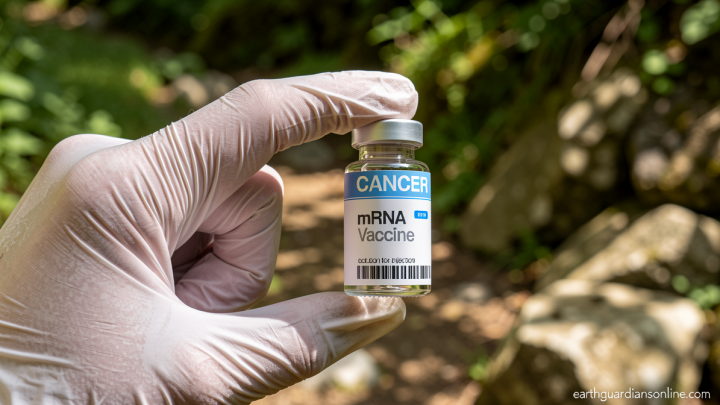
Doctors say they’re filling a void left by CDC on vaccines. Here’s what to know about flu, Covid-19 and RSV this fall

Daftar Isi
Fall Respiratory Virus Season Arrives Without the Usual Federal Roadmap
Earthguardiansonline.com – As classrooms refill and the first cold fronts push through the country, millions of Americans face the familiar question of how to shield themselves against influenza, SARS-CoV-2, and respiratory syncytial virus. In prior years, the answer came neatly packaged from Washington: the Centers for Disease Control and Prevention would issue a coordinated fall immunization campaign, spelling out which shots to take and when. This autumn, however, that familiar federal playbook has largely gone quiet.
Under the current administration, the CDC has not released new seasonal guidance for RSV vaccination or updated Covid-19 immunization. The agency’s most recent move on the flu front was a brief website update stating that prior recommendations remain in force. Specifically, the agency noted that the seasonal influenza vaccination guidance from its July 2025 immunization schedule continues to apply through the 2026–2027 flu season. Notably, that update made no reference to the first mRNA-based influenza vaccine, which the Food and Drug Administration cleared last month for adults aged 65 and older.
Medical Organizations Step Into the Gap
With the federal process effectively dormant, two independent bodies moved to close the information vacuum. The American Medical Association and the University of Minnesota’s Vaccine Integrity Project conducted their own peer-reviewed evaluations of this season’s respiratory virus vaccines. Their findings appeared Wednesday in the journal JAMA.
Those reviews, in turn, fed directly into formal 2026–27 immunization recommendations issued the same day by a coalition of major specialty societies: the American Academy of Pediatrics, the American Academy of Family Physicians, the American College of Obstetricians and Gynecologists, and the Infectious Diseases Society of America. Together, the documents lay out which vaccines are advised for which populations and identify the optimal timing for administration.
“We Cannot Allow a Vacuum in Evidence-Based Guidance”
Dr. Bruce Gellin, board chair of the Vaccine Integrity Project and professor of medicine at Georgetown University, framed the situation at a news briefing as a departure from six decades of established federal practice.
“For more than 60 years, the United States has benefited from an established federal process for evaluating vaccine evidence and translating that science into recommendations for the American public. At the center of that process were the Centers for Disease Control and its Advisory Committee on Immunization Practices, the ACIP. Unfortunately today, the federal government is not fulfilling that responsibility in the way that it historically has. But the need for that work has not disappeared. Influenza, SARS-CoV-2 and the RSV viruses will circulate again this fall and winter. Clinicians will still have patients to care for. Parents will still have decisions to make for their children, and older Americans, pregnant women and people with underlying health conditions will still need to know how best to protect themselves. We cannot allow the breakdown of a federal process to create a vacuum in evidence-based vaccine guidance.”
The US Department of Health and Human Services did not respond to requests for comment on the independent recommendations.
What Families and Patients Should Know Right Now
Practically speaking, the vaccines themselves are already in circulation. Seasonal flu shots and RSV immunizations are stocked at major pharmacy chains across the country. Updated formulations of the Covid-19 vaccine received FDA authorization recently and are rolling out into clinics and pharmacies. Insurance carriers have signaled to the issuing medical groups that they will cover these respiratory virus immunizations, removing a common financial barrier.
Dr. Sarah Nosal, president of the American Academy of Family Physicians, emphasized the continuity of scientific evidence behind the recommendations.
“Vaccines are one of medicine’s greatest success stories. They prevent serious illness, reduce hospitalizations and long-term complications and save lives. As federal guidance evolves, the science behind vaccines remains strong. These recommendations are grounded in the latest evidence, informed by public health experts and shaped by what family physicians are seeing every day in their patients.”
RSV: Who Qualifies and How Often
The RSV guidance targets three distinct populations: adults aged 50 and older who carry high-risk medical conditions, everyone 75 and above regardless of comorbidities, and pregnant individuals. Nosal clarified the dosing schedule at the briefing.
“People age 50 and older with high-risk conditions, and everyone over 75 years old, should get one dose. This is not an annual vaccine. If you got one before, you do not need a new one this year. Getting one should protect you throughout the entire season.”
For pregnant patients, the recommendation is to receive the RSV shot during the third trimester, typically between weeks 32 and 36, so that maternal antibodies cross the placenta and shield the newborn during its most vulnerable early months. Infants who were not protected in utero may qualify for a separate long-acting monoclonal antibody product, depending on age and risk factors.
Why the Timing Matters
The window for optimal protection is narrow. Influenza activity in the Northern Hemisphere generally peaks between December and February, while RSV season overlaps heavily with flu months. Getting immunized before peak circulation—ideally by late October or early November—maximizes the duration of antibody coverage through the winter. Delaying until symptoms appear in the household leaves a gap during which viral shedding is already underway.
For parents returning to school routines, the practical takeaway is straightforward: schedule the seasonal flu shot for every family member six months and older, confirm whether any household member qualifies for RSV protection, and ask a primary-care provider about updated Covid-19 vaccination, particularly for those with immunocompromising conditions or chronic illness. The independent specialty-society recommendations now serve as the authoritative reference in the absence of a consolidated federal directive, and they are available through each organization’s website for clinicians and patients alike.
Related Reading
Frequently Asked Questions
What is Doctors say they re filling a void?
Doctors say they re filling a void is the main topic of this guide. The article explains the context, practical details, and next steps readers should understand.
Why does Doctors say they re filling a void matter?
Doctors say they re filling a void matters because readers are looking for a useful answer, not just a short summary. Good content should match search intent and help them decide what to do next.