Cancer vaccines could transform treatment and prevention – but misinformation about mRNA vaccines threatens their potential

Daftar Isi
Earthguardiansonline.com – EDITOR’S NOTE: The views expressed in this commentary are solely those of the writer. CNN is showcasing the work of The Conversation, a collaboration between journalists and academics to provide news analysis and commentary. The content is produced solely by The Conversation.
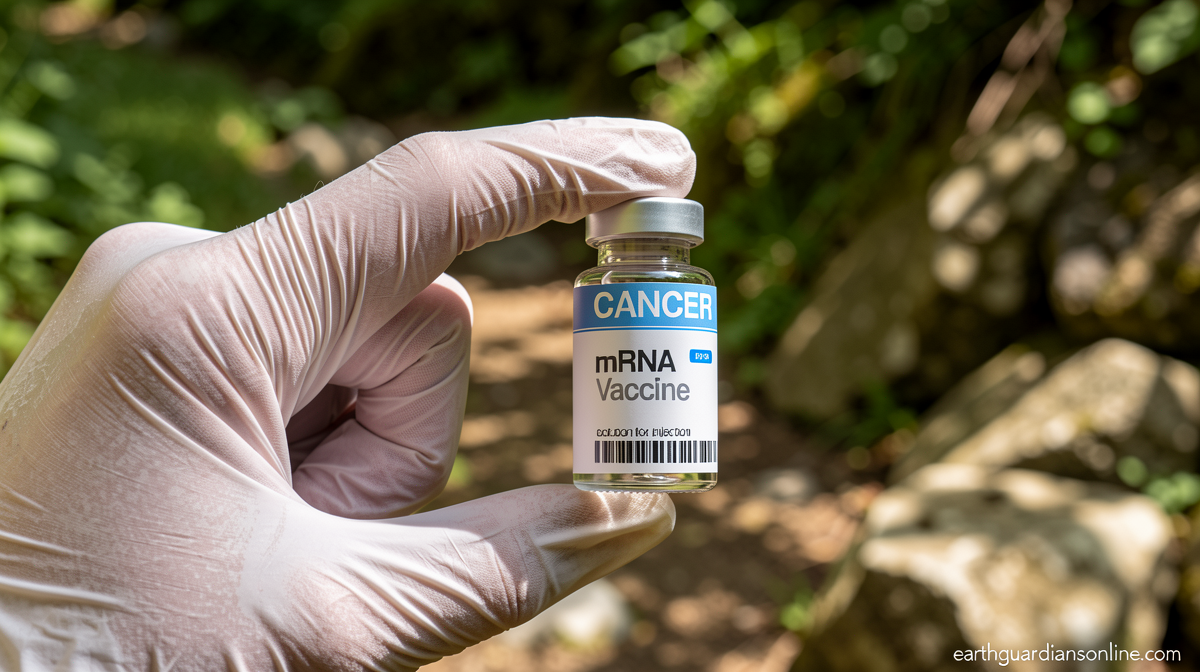
For the first time, an mRNA cancer vaccine has succeeded in a late-stage clinical trial, a significant advance that could reshape how cancer is treated. On Aug. 19, 2026, Moderna and Merck announced their personalized vaccine, intismeran autogene, succeeded in reducing the recurrence of the skin cancer melanoma when combined with the immunotherapy drug Keytruda.
While these results could open the door to a wave of cancer vaccines, misinformation about mRNA technology circulating since the pandemic could undermine its momentum before it reaches patients. The progress toward vaccines to treat cancer has been building for years. Since the early 2000s, there have been over 120 promising clinical trials testing the use of mRNA vaccines to treat multiple cancer types, such as melanoma, brain, breast, lung and prostate cancer.
At the same time, misinformation about so-called turbo cancer began spreading widely on social media, with mainstream media outlets first reporting on it in late 2022. Turbo cancer refers to the false claim that COVID-19 mRNA vaccines cause unusually aggressive cancers. As a researcher in health communication who monitors cancer-related conversations online, I have seen how quickly new misinformation can spread and the impact it can have on people’s health decisions.
In the case of mRNA cancer vaccines, this false narrative could undermine public confidence in an important tool that may help prevent or treat cancer in the future. Most people likely first heard about mRNA technology through COVID-19 vaccines, but scientists have been studying it for decades. How mRNA vaccines work is by delivering instructions that prompt the body’s cells to make specific proteins.
This process teaches the immune system how to recognize and attack those proteins. In cancer research, scientists can design highly targeted vaccines that train the immune system to find tumor cells and more effectively kill them without harming healthy cells. Read more: Hurdles remain before mRNA treatments can move beyond vaccines One example of this potential comes from studies on glioblastoma, an aggressive brain tumor with few effective treatments.
Researchers have found that a personalized mRNA vaccine can rapidly activate people’s immune systems against this type of brain cancer and improve survival. The body of evidence that mRNA vaccines can transform how researchers harness the immune system to treat cancer is growing. However, even the most promising medical advances can only improve health if people are willing to use them.
“Turbo cancer” is a term often used by anti-vaccine advocates who claim – without credible evidence – that COVID-19 mRNA vaccines are causing unusually aggressive cancers. This inaccurate narrative has trickled into the mainstream news. In September 2025, a controversial U.K.
cardiologist claimed that the COVID-19 vaccine contributed to the royal family’s recent cancer diagnoses, spurring immediate backlash from the medical community. Although uncommon, some public figures and health professionals have claimed that the vaccines could cause cancer despite ample contradictory evidence, often by misinterpreting or misrepresenting studies. Read more: An mRNA bird flu vaccine for humans is being trialled – here’s how it works Health misinformation can be described as false or misleading health-related claims shared with the public that are not supported by scientific evidence, are based on unverified personal stories or are opinions presented as facts.
For example, while tracking discussions about the HPV vaccine across social media platforms, my team and I found that safety fears, mistrust of authority and conspiracy claims were widespread online. Vaccine misinformation accelerated during the COVID-19 pandemic, causing what researchers call an infodemic: the rapid spread of both accurate and false health information during a public health crisis. The COVID-19 infodemic made it harder for people to find trustworthy guidance and shaped public attitudes toward vaccines.
“Turbo cancer” reflects many of the same patterns and narratives as the COVID-19 infodemic. In a social listening study, which involves systematically monitoring online conversations about different topics, my team and I observed countless posts about turbo cancer beginning in July 2023 and continuing through early 2026. Many posts rely on emotionally compelling anecdotes, misinterpretations of animal studies, misuse of adverse events reporting and recycled myths that vaccines alter human DNA.
Some posts also link rising cancer rates in younger adults to the COVID-19 vaccine. However, large population studies have found no increased cancer risk following vaccination. None of these turbo cancer claims are supported by credible evidence.
But on social media, repetition, personal stories and scientific-sounding language can make misinformation appear legitimate and help it spread quickly. At first glance, fringe claims such as turbo cancer may seem easy to dismiss. But research shows that they can have real-world consequences, and cancer-related misinformation can be particularly consequential.
Inaccurate information about cancer treatment is common online, and researchers have shown that it influences patient decisions. When patients rely on unproven approaches instead of recommended therapies, their risk of death can increase substantially. Read more: How nanomedicine gets inside your cells and treats you from the inside out Clinicians are already seeing the effects of misinformation in routine care.
Oncologists report having to address myths or misleading information that patients have encountered, though researchers do not yet know how common these conversations are across cancer care. mRNA technology is entering a pivotal phase in its development. Scientific progress is accelerating, but public understanding has not kept pace.
Repeated exposure to misleading claims can erode trust in mRNA technology over time, increasing the likelihood that some patients will decline mRNA therapies in the future. If misleading narratives such as turbo cancer continue to spread, they could complicate the future rollout of mRNA vaccines and limit their lifesaving benefits. Once misinformation takes hold of public understanding, changing its course can be difficult.
Research has consistently shown that proactive, transparent and persuasive communication can counter misinformation. It also shows that trust, once lost, is difficult to rebuild. Medical innovations can save lives, but only if communication keeps up.
This means monitoring emerging misinformation trends on social media, addressing concerns early on, equipping clinicians to have effective patient conversations and designing public health messaging that builds public understanding of new medical technologies before they are widely introduced in the clinic. Scientific innovation alone is not enough to improve health. Ensuring that the public can evaluate medical innovations like mRNA cancer vaccines based on evidence, rather than viral misinformation, is part of the scientific challenge.
The future of cancer care depends not just on scientific discovery, but on public understanding and trust.
Related Reading
Frequently Asked Questions
What is Cancer vaccines could transform treatment and prevention?
Cancer vaccines could transform treatment and prevention is the main topic of this guide. The article explains the context, practical details, and next steps readers should understand.
Why does Cancer vaccines could transform treatment and prevention matter?
Cancer vaccines could transform treatment and prevention matters because readers are looking for a useful answer, not just a short summary. Good content should match search intent and help them decide what to do next.