Technology is not the villain in ‘Toy Story 5.’ Excess is

Toy Story 5: A Balanced Take on Technology’s Role in Childhood
Technology is not the villain in Toy – When I sat down with my toddler son to watch the latest installment of the *Toy Story* franchise, I found myself reflecting on the delicate balance between technology and childhood. The film opens with a dramatic scene set in Radiator Springs, where a sudden meteor shower threatens to disrupt the tiny, quarter-size cars that inhabit the town. This chaotic sequence, reminiscent of disaster films by Roland Emmerich, brings to mind the kind of high-stakes drama that often defines modern storytelling. Yet, as we engaged with the characters, I was struck by a familiar sense of unease—my own guilt about allowing my son to spend so much time in front of screens.
As we played out the scene with our toys, the conflict between the toys and the encroaching digital world became clear. The meteor crisis is just one of many challenges Bonnie and her toys face in this fifth film, but it serves as a metaphor for the broader theme: technology is not inherently destructive, but its overuse can create tension. My son, who has been glued to his favorite shows and movies for hours each day, often watches them in chunks, a habit I’ve tried to moderate by limiting his screen time to two sessions per day. However, the idea of *Toy Story 5* being a critique of excessive screen use felt like a looming threat, one that might force me to confront my own parenting choices.
The New Frontier of Toy Life
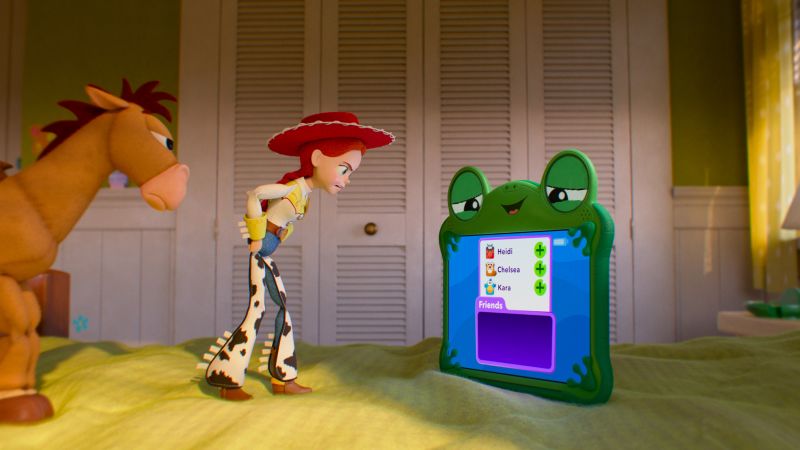
Contrary to my fears, the film does not cast technology as the villain. Instead, it presents a nuanced portrait of how screens shape the lives of children and their toys. Lilypad, a tablet introduced in the story, becomes a central character that disrupts the traditional dynamics of Bonnie’s toy collection. The robot, who has been left behind by the other toys, ominously declares, “The age of toys is over,” as screens take center stage. This moment captures the essence of the film’s message: while technology offers new possibilities, it also challenges the role of imagination and play.
One of the film’s most compelling subplots revolves around Bonnie’s parents, who are both eager to support their daughter’s creativity and hesitant about the impact of screen time. Their decision to introduce Lilypad into Bonnie’s life is driven by a desire to help her connect with peers in the real world, even if that connection begins in the digital realm. This parental struggle mirrors the real-life dilemmas many families face today. The question is not whether technology is harmful, but how to manage its presence without stifling a child’s natural curiosity and joy.
“We may be on a device answering emails or working on proposals, but our children are seeing us on the screen and not really understanding that,” said Josephine Hunt, a public-school teacher and children’s mental health advocate from Park Ridge, New Jersey. Her words underscore a critical insight: technology is not just a tool for children—it’s a shared experience that affects the entire family.
The film’s portrayal of device use as a family-wide phenomenon is both subtle and powerful. In one scene, a parent is engrossed in their phone while Bonnie’s toys scramble across the room, unnoticed. This moment, though brief, highlights how screens can dominate a household’s attention, even when they’re meant to enhance it. Children, as Hunt notes, absorb behaviors without question, making it essential for parents to model mindful usage. The challenge lies in creating a space where technology is a part of life, but not the entire narrative.
Screen Time as a Shared Responsibility
As the story unfolds, the film encourages viewers to rethink their approach to screen time—not as a punishment, but as an opportunity for growth. Bonnie’s parents, though initially wary, become active participants in navigating this digital shift. They engage in conversations about the role of technology, discussing its benefits and limitations with their daughter. This openness helps Bonnie understand that screens are tools, not replacements for real-world connections.
Studies show that American children aged 8 to 18 spend an average of 7.5 hours daily on screens, according to the American Academy of Child and Adolescent Psychiatry. While this number is staggering, the film suggests that the problem isn’t screen time itself, but how it’s managed. The key, as Hunt emphasizes, is to involve children in these discussions. By explaining the difference between necessary screen use and recreational time, parents can help kids recognize the signs of overuse—like eye strain or neck pain—before it becomes a habit.
The *Toy Story 5* narrative also addresses the emotional toll of screen dependency. Bonnie’s toys, once the center of her world, feel sidelined by the tablet’s constant presence. This struggle resonates with many parents who worry about their children’s growing attachment to digital entertainment. Yet, the film offers hope: by integrating technology into family life rather than isolating it, parents can create a more balanced environment. The idea is not to eliminate screens, but to use them intentionally and thoughtfully.
What makes *Toy Story 5* particularly effective is its ability to blend humor and heart. The toys’ antics and the parents’ efforts to adapt are portrayed with a light touch, making the film accessible to both children and adults. This approach allows viewers to reflect on their own screen habits without feeling lectured. For instance, the film shows a family where one member is so absorbed by their device that they miss the toys’ dramatic exit from the room. This moment is a gentle reminder that the impact of technology extends beyond the child—it affects the entire household.
Building a Digital Foundation
While the film’s message is clear, it leaves room for interpretation. The use of screens in Bonnie’s life is not entirely negative; it’s a catalyst for growth. For example, when her toys use the tablet to create a digital world, it sparks new conversations about creativity and innovation. This duality—technology as both a tool and a challenge—encapsulates the film’s core argument: the goal is not to ban screens, but to use them as a bridge to deeper connections.
One of the film’s strongest lessons is that managing screen time is a collaborative effort. Parents, children, and even the toys must work together to find harmony. This could mean setting boundaries, like designating tech-free zones or times, or simply being present during shared activities. The film also suggests that family meals and routines are crucial for reinforcing these values. If a child sees their parents engaged in meaningful conversations without screens, they’re more likely to adopt similar habits.
As I left the theater, the message lingered: technology is not the enemy, but its excess can be. The film’s characters and plot serve as a mirror for our own lives, reminding us that the digital world is a part of our reality. It’s up to parents to guide their children through this landscape, ensuring that screens enhance rather than replace the magic of imagination. With a thoughtful approach, the tools of the modern age can become companions to creativity, not competitors.
In the end, *Toy Story 5* offers a gentle critique of technology’s influence without painting it as a black-and-white issue. It’s a story that invites reflection, not judgment. As parents, we may not have all the answers, but the film reminds us that the journey is as important as the destination. By engaging in open dialogue and modeling healthy habits, we can help our children navigate the digital world with confidence and care. After all, the question isn’t whether screens are good or bad—it’s how we use them to build a better, more connected future for our families.