
Tetanus is a rare but dangerous disease. A doctor explains why experts are worried
Tetanus: Rare but Deadly, Expert Warns
Tetanus is a rare but dangerous – Tetanus, a rare but dangerous disease, is re-emerging as a public health concern. Despite its low incidence, the condition remains a significant threat, particularly with declining vaccination rates. Recent data from the U.S. Centers for Disease Control and Prevention (CDC) show that hundreds of infections and dozens of deaths have been reported over the past 15 years. In 2024, four pediatric cases were documented, highlighting the need for updated prevention strategies. Medical experts emphasize that staying current with tetanus immunization is crucial for reducing risk.
Tetanus Resurgence: Why Declining Vaccination Rates Pose a Risk
Vaccination coverage has dropped in recent years, leaving many vulnerable to tetanus. The CDC reports that nearly half of diagnosed patients had never been vaccinated, underscoring gaps in immunity. While tetanus is not common, its impact can be severe. Dr. Leana Wen, a CNN wellness expert and former Baltimore health commissioner, notes that reduced immunization rates could lead to a resurgence, especially in communities with low uptake. This trend highlights the importance of regular tetanus boosters.
“Tetanus is preventable but often underestimated as a serious threat,” Wen explains. “When people skip vaccinations, the disease can reappear, and that’s when it becomes deadly.”
Understanding Tetanus: Causes and Contaminants
Tetanus is caused by the *Clostridium tetani* bacterium, which produces spores found in soil, dust, and animal feces. These spores thrive in environments like dirt or debris, entering the body through wounds. Deep cuts, puncture injuries, or even minor scrapes can trigger infection if not properly treated. Wen clarifies that it’s not the rust on a nail but the bacteria present in it that poses a risk. This explains why tetanus can occur from a wide range of injuries.
“Even a small cut from a contaminated object can lead to tetanus,” Wen says. “The bacteria’s spores are everywhere, so vigilance in wound care is essential, especially for those without immunity.”
The CDC’s latest case series reveals that tetanus in children often stems from injuries like ankle fractures or foot punctures. These examples show the disease isn’t limited to specific scenarios, including sports accidents or everyday mishaps. This broad range of infection sources reinforces the need for consistent prevention measures, such as tetanus vaccines, to safeguard all age groups.
Recognizing the Signs: Symptoms and Medical Complications
Tetanus symptoms typically manifest days to weeks after an injury, starting with muscle stiffness and pain. The most recognizable sign, “lockjaw,” refers to jaw muscle rigidity, which can make swallowing difficult. As the infection progresses, spasms spread to other muscles, leading to severe complications. Wen explains that the bacterial toxin targets the nervous system, disrupting normal muscle function. In extreme cases, this can cause paralysis of the respiratory muscles, resulting in life-threatening respiratory failure.
“Tetanus can cause uncontrollable spasms and even block the airway,” Wen warns. “Prompt medical attention is vital to prevent these complications, especially in individuals without prior immunity.”
Treatment for tetanus often involves weeks of care, including antitoxins, antibiotics, and muscle relaxants. While many recover, the disease can be fatal, particularly in those with weakened immune systems or delayed treatment. This underscores the critical role of timely tetanus prevention, such as boosters, in reducing severe outcomes and ensuring survival.
Vaccination Guidelines: When and How to Protect Yourself
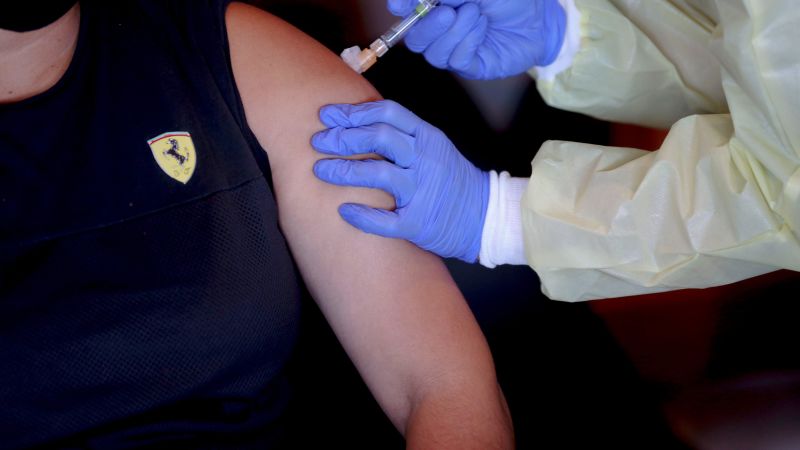
Preventing tetanus relies on a series of vaccines, with schedules tailored to age groups. Children should receive five doses of a tetanus-containing vaccine, starting at two months old, per the American Academy of Pediatrics. Adolescents need a Tdap booster to maintain protection. Adults are advised to get a tetanus booster every 10 years, though some may require more frequent doses. Wen stresses that adhering to these guidelines is key to avoiding the disease’s devastating effects.
“Vaccination is the most effective way to prevent tetanus,” Wen says. “Staying up-to-date with boosters ensures your body can fight off the bacteria before it causes harm.”
