
Americans are divided on ‘culture war’ issues, a new CNN poll finds. Republicans are trying to leverage that in the midterms
Americans Divided on Culture War Issues in Midterms
The Polarizing Landscape of Cultural Debates
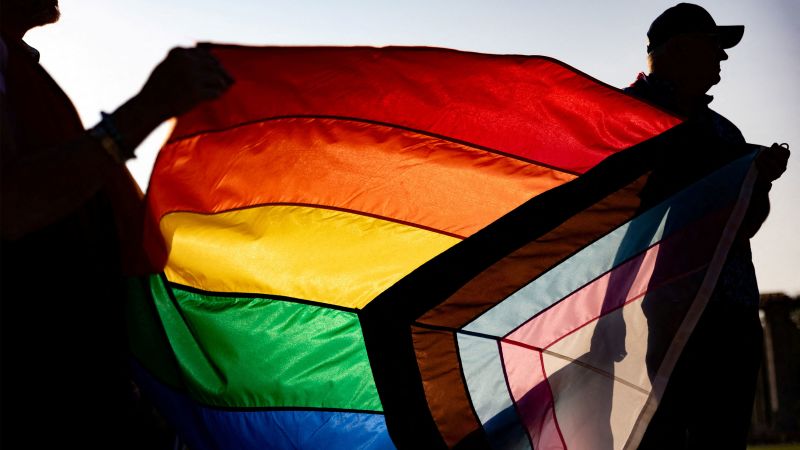
Americans are divided on culture war issues – Americans are divided on culture, a new CNN poll reveals, highlighting a growing split in attitudes toward key social issues. Conducted by SSRS, the survey underscores how deeply the nation is divided on topics like gender identity, traditional values, and social progress. While half of respondents believe society has embraced diversity too broadly, the other half argue that cultural acceptance has not progressed enough. This division is shaping political strategies, with Republicans capitalizing on the tension to reframe the midterm elections around cultural identity.
“Things you’d never think twice about saying 2, 3, 4, 5 years ago, now people are suddenly saying, ‘Oh you can’t say that,’” said Ed Shedlock, a Louisiana Republican. “Some people will cancel people for something so insignificant it’s not even worth having a conversation with them.”
Republicans Exploiting Cultural Concerns
As the midterms draw near, Republican candidates are intensifying efforts to frame cultural issues as a defining conflict. This strategy is evident in the targeting of figures like James Talarico, a Texas state representative who faced backlash for advocating six sexes and calling meat consumption reduction a “critical” step in climate action. His statements, labeled “woke” by opponents, have become a focal point in campaigns, with Talarico now distancing himself from some remarks, calling them “cringey.”
The GOP is using such examples to amplify fears of cultural overreach. In South Carolina, Lt. Gov. Pamela Evette has employed the term “woke mob” in her campaign ads, blaming liberal institutions for disinviting her from university events. Her message promises retaliation: “I’ll make sure that if liberal institutions cancel conservatives, we cancel their funding,” she declared, vowing to cut support for entities challenging conservative viewpoints.
Democrats Emphasize Cultural Progress
Democrats and Democratic-leaning independents hold a contrasting view, with 60% asserting that society has not gone far enough in accepting diversity. This perspective reflects a broader ideological divide, as Democrats frame cultural progress as essential to protecting marginalized groups. “The best part about being an American is that we stand up for each other,” said Danny Minaya, a New York Democrat. “You fight for the little guy, you stand up for the person that’s being shitted on, you stand up for the person that needs their rights protected. Right now, it doesn’t seem like we’re doing that.”
The cultural divide remains a central theme in debates, even as the economy and healthcare continue to rank as top concerns for many voters. However, Republicans are leveraging the divide to create narratives that align with their base’s priorities, positioning themselves as defenders of traditional American values. By emphasizing the “woke left” as a threat, they aim to galvanize support for midterm campaigns.
Economic Concerns vs. Cultural Narratives
While the economy remains the central issue for most Americans, the cultural divide is being used to shape political messaging. The CNN poll found that 58% of voters identify economic stability as their primary concern, but Republicans are leveraging cultural rhetoric to link their policies with broader societal values. This approach is evident in state races, where candidates like David Flippo in Nevada have criticized opponents for being “woke liberals pretending to be Republicans,” citing votes on social issues as proof of ideological shifts.
Despite this focus on culture, the poll suggests that the divide is not as absolute as it appears. Many independents and even some Democrats acknowledge the importance of cultural debates but remain skeptical of their role as the sole driving force behind political movements. The challenge for Republicans is to maintain momentum on cultural issues without overshadowing the economic anxieties that continue to dominate voter sentiment.
Trends in Cultural Attitudes
The survey indicates a significant increase in the percentage of Americans who believe society has moved too far in embracing diversity. This number rose by 6 percentage points since last summer, with nearly 80% of Republicans and 47% of independents now expressing concern. The trend highlights a growing unease with progressive values, particularly in states where cultural issues are hotly contested.
Meanwhile, Democrats argue that the cultural divide is a symptom of deeper systemic challenges. They point to the current state of American society, where marginalized groups face ongoing struggles for recognition and rights. “We’re not just talking about identity anymore,” said one Democratic strategist. “We’re talking about the core of what it means to be an American: inclusion, opportunity, and the right to be seen.” This contrast in messaging underscores the strategic importance of the cultural divide in the upcoming elections.
