
CNN analysis: Turnout in this year’s primary elections clearly favors Democrats so far
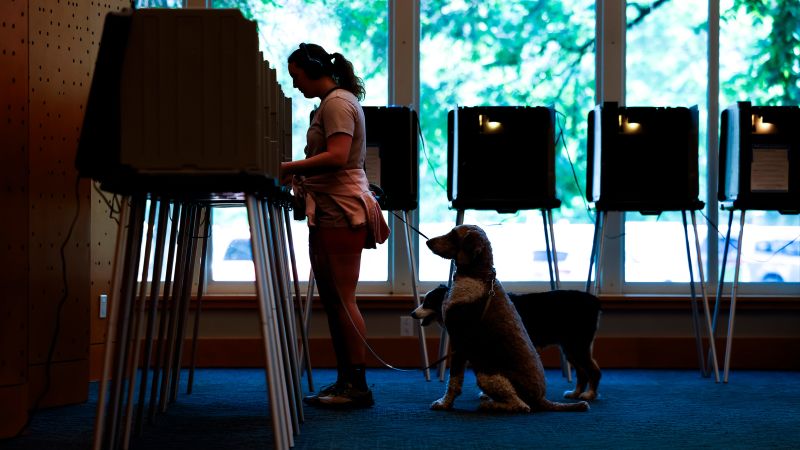
CNN analysis: Turnout in this year’s primary elections clearly favors Democrats so far
CNN analysis – As the midterm primary season progresses, data from early July reveals a significant shift in voter participation patterns. The surge in Democratic primary turnout has continued to outpace Republican engagement, marking a notable trend since Donald Trump’s return to the presidency. This dynamic is evident across 31 states that have held primary elections, with Democratic voters demonstrating higher motivation in both statewide and congressional races. Analysts at CNN have examined the voting trends in 20 states where primaries for both parties have occurred in each of the past three midterm cycles, revealing a consistent pattern of increased Democratic participation.
Historical Context and Comparative Trends
The current momentum for Democratic turnout contrasts sharply with previous cycles. In 2022, when the GOP regained control of the House, Republican primaries saw stronger numbers. However, this year’s data shows a reversal of that trend. Among the 20 states analyzed, 57% of primary votes were cast for Democratic candidates, a 10-point rise from the same states in 2022 and a 3-point increase compared to 2018. This trend suggests a growing disparity in voter engagement between the parties, with Democrats showing sustained enthusiasm despite challenges.
While the presidential election of 2024 saw an even split in popular votes, the primary electorate has been more favorable to Democrats. The analysis of early July 2 results highlights how the current cycle has produced a more Democratic-leaning primary electorate. This shift is not limited to a few states but reflects a broader pattern across diverse regions, including urban centers, rural areas, and states with varying political leanings.
Factors Driving the Turnout Gap
The reasons behind the Democratic advantage are multifaceted. One key factor is the perception of the political landscape under Trump’s second term. Polls indicate that Americans have consistently expressed dissatisfaction with both parties, yet this sentiment has not dampened Democratic voter turnout. Instead, it has fueled a sense of urgency among the party’s base, leading to higher participation rates.
“There’s a substantial minority within the Democratic base that views their own party negatively, but that hasn’t stopped them from showing up in larger numbers at the polls,” noted a CNN political analyst.
Additionally, the structure of primary elections plays a role. Democrats often field more diverse candidates, which can create a more engaging race for voters. The primary season also tends to attract younger and more politically active demographics, who are energized by issues like climate change, healthcare, and social justice. These factors combine to create a more vibrant Democratic primary electorate, even as Republican turnout remains steady.
It’s important to note that while primary turnout is a strong indicator of party enthusiasm, it doesn’t always translate directly to general election success. Primaries typically draw the most committed voters, whereas general elections often see broader participation from less engaged individuals. This distinction means that the current Democratic advantage in primaries could be a positive sign for the general election, but it’s not guaranteed.
State-Level Analysis and Broader Implications
Breaking down the data by state further illustrates this trend. Of the 20 states reviewed, 16 reported increased turnout in Democratic primaries compared to 2022, while 14 saw similar growth in Republican primaries. However, the relative proportion of voters favoring Democrats has remained higher in 18 states compared to 2022 and 12 states compared to 2018. This consistency across states reinforces the idea that the Democratic primary electorate is becoming more robust.
The turnout surge in Democratic primaries is also notable in states with large populations and high electoral stakes. For instance, in states like California and New York, where Democratic candidates have historically performed well, the increase in participation has been even more pronounced. This pattern is mirrored in other regions, including Midwest and Southeast states, where the party’s base has shown renewed vigor.
Comparing this year’s results to 2018, when Democrats won control of the House during Biden’s first term, the data reveals a shift in voter behavior. While 2018 saw a Democratic advantage in primary turnout, the current cycle has amplified that trend. The 2022 election, which saw a Republican resurgence, serves as a baseline for understanding the current momentum, but the 2026 data suggests a new era of Democratic enthusiasm.
Challenges and Considerations
Despite the clear pattern in primary turnout, analysts caution that direct comparisons between cycles can be complex. For example, an increase in votes might stem from factors like expanded voting access, heightened media attention, or more competitive races in this cycle. These variables make it difficult to draw definitive conclusions about the general election, though the Democratic primary data remains a strong indicator of party strength.
Moreover, the voter demographics in primaries often differ from those in general elections. Primary voters tend to be more ideologically aligned, while general elections may attract a broader range of perspectives. This means that while the current primary results are promising, they must be interpreted within the context of the larger electorate’s preferences.
Still, the consistency in Democratic primary turnout across states, regardless of their political alignment, underscores a growing trend. This year’s primary elections are not just a reflection of the current political climate but also a sign of the Democratic Party’s ability to mobilize its base. As the primary season progresses, the implications for the general election will become clearer, but for now, the data points to a Democratic advantage that has been solidifying over time.
