
Exclusive: Trump administration plans to boost worksite immigration enforcement after increase in criminal probes
Exclusive: Trump administration intensifies worksite immigration enforcement after surge in criminal investigations
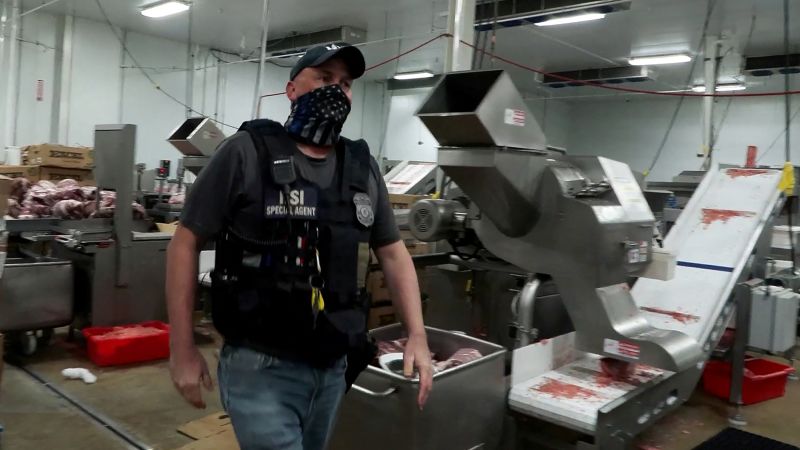
Exclusive – The Trump administration is set to intensify its efforts to enforce immigration laws at workplaces, with several federal agencies collaborating to enhance the frequency of raids and arrests. According to five insiders who have been following internal discussions, the plan aims to address growing concerns within the president’s core supporters while maintaining a balance between deporting undocumented immigrants and avoiding disruptions to critical industries. This strategy is being driven by an uptick in criminal investigations focused on immigration-related fraud, officials said.
Homeland Security’s spokesperson confirmed to CNN that the agency has observed a marked rise in criminal probes targeting fraudulent activities, such as welfare and benefit scams. The internal planning reflects a broader push to strengthen enforcement measures, which officials argue are necessary to meet the administration’s immigration goals. However, the challenge lies in executing these operations without alienating sectors like manufacturing, construction, and agriculture, which are vital to the economy.
Historical Context and Industry Tensions
Previously, the Department of Homeland Security (DHS) had signaled mixed signals regarding worksite enforcement. Last year, a notable example of this ambiguity occurred when ICE raided a Hyundai plant in Georgia, sparking a diplomatic disagreement with South Korea. While the operation was intended to target undocumented workers, it also highlighted the potential strain on international relations and the economic reliance on immigrant labor.
Despite these tensions, immigration hardliners continue to advocate for stronger workplace enforcement, viewing it as a key tool to achieve the president’s vision. “The reality is worksite enforcement isn’t happening and without that the numbers won’t hit the needed levels,” stated a senior administration official, emphasizing the current gaps in enforcement. This sentiment aligns with broader calls from allies to prioritize job-related immigration violations, which they believe could significantly bolster deportation efforts.
Strategic Shifts and Operational Planning
Officials from the Justice Department and DHS have been engaged in ongoing conversations to refine a strategy that combines education for employers with targeted raids. One source explained that the plan includes training programs to clarify hiring responsibilities, alongside the use of immigration arrests in cases where criminal activity is confirmed. The goal is to create a systematic approach that reduces legal loopholes while ensuring accountability for businesses that hire unauthorized workers.
“These investigations are criminal in nature. If they require law enforcement action, the Trump administration will act,” added a White House official, reinforcing the idea that enforcement is a necessary outcome of these probes. The process of launching a worksite operation is described as complex and time-consuming, often requiring months of preparation. It begins with notifying companies of an audit, followed by a thorough examination of their immigration records, and culminating in a criminal investigation if discrepancies are found.
According to a former DHS official, “They’re hard because it’s mountains of paperwork and it requires a lot of analysis and due diligence to prove culpability.” This highlights the administrative burden of ensuring that employers are held responsible for their actions. The internal discussions also underscore the need for coordination between agencies to streamline operations and maintain momentum in enforcement efforts.
Deportation Goals and Enforcement Metrics
The push for worksite enforcement coincides with the administration’s broader commitment to increasing immigration arrests. Recently, ICE has raised its daily capture rate to around 2,000 individuals, a significant jump from earlier months. Officials have expressed their intent to sustain this level of activity, with some pointing to past targets as a benchmark. Last year, White House deputy chief of staff Stephen Miller mandated daily quotas of 3,000 arrests, a goal that the agency initially struggled to meet but has since adapted to achieve.
Homeland Security Secretary Markwayne Mullin highlighted the progress made in deportations during a press conference in New York. “We’re seeing our arrest numbers come up. We’re seeing our deportation numbers continue to increase,” he said, noting that the average daily deportation count has exceeded 3,200 individuals over the past several weeks. This statistic reflects the administration’s determination to uphold its immigration agenda through aggressive enforcement, even as it navigates the logistical and political challenges of such measures.
Industry Impact and Policy Rationale
Immigration advocates argue that worksite enforcement is essential to addressing the root causes of unauthorized employment. By penalizing employers who hire undocumented workers, the administration can create a deterrent effect while simultaneously removing individuals from the workforce who are not legally authorized. “The administration is going to face a test—will they pass it or not?” said Mark Krikorian, director of the Center for Immigration Studies, a group that supports limited immigration. “The test is whether they’re going to significantly step up job-related enforcement. That’s not just raiding worksites. It also includes paperwork compliance and ensuring employers are held accountable.”
Krikorian’s comments reflect the growing pressure on the administration to demonstrate tangible results in immigration enforcement. While raids are a visible component of this strategy, the focus on documentation and legal compliance adds another layer to the effort. This approach is designed to target not only the individuals who are undocumented but also the organizations that facilitate their employment, thereby addressing the systemic issues that contribute to immigration violations.
Experts note that the success of worksite enforcement depends on a combination of factors, including the availability of evidence, the willingness of employers to cooperate, and the public’s perception of the policy. The administration’s internal discussions suggest a recognition of these challenges, but officials remain resolute in their efforts to expand enforcement. As the policy evolves, the balance between aggressive action and economic stability will remain a central concern for both the government and the industries it impacts.
With the upcoming implementation of these measures, the Trump administration aims to solidify its legacy in immigration enforcement. The integration of criminal investigations with workplace raids underscores a strategy that combines legal rigor with operational precision. As the enforcement machinery gears up, the potential consequences for businesses and the broader economic landscape will be closely watched, both domestically and internationally.
