
FBI seizes over a dozen websites it says were used by Chinese agents to recruit US officials
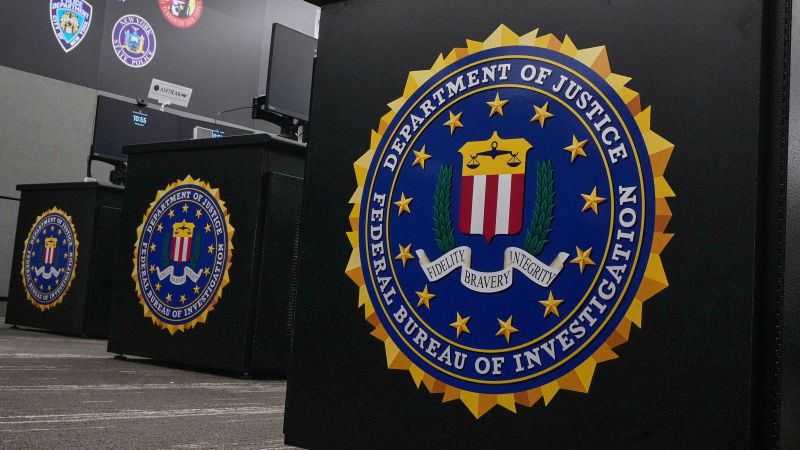
FBI Seizes Over a Dozen Websites in Alleged Recruitment Scheme
FBI seizes over a dozen websites – The Federal Bureau of Investigation (FBI) has taken action by seizing over a dozen websites, claiming they were utilized by suspected Chinese agents to target U.S. officials with security clearances. This operation, announced by the Justice Department, reveals a covert strategy where foreign actors employed digital platforms to lure federal employees into positions that could compromise national security. The websites, which were allegedly fronted by fake consulting companies, were designed to appear legitimate, offering roles such as “International Affairs Analysts (Remote)” and “Defense Analyst” to individuals interested in contributing to strategic U.S. initiatives.
Targeting Federal Employees Through Digital Recruitment
According to the FBI’s affidavit, the scheme involved multiple individuals operating from overseas, who used cryptocurrency and foreign banking systems to fund their activities. These recruits were lured with promises of monetary compensation and were asked to provide detailed information on topics like China’s geopolitical strategies, U.S.-Iran relations, and the Israel-Palestine conflict. The Justice Department’s press release highlights that the website operators denied any foreign government involvement, yet the FBI asserts their actions were orchestrated to gather sensitive data for the benefit of the Chinese state.
“The conspirators have also paid the various recruits at accounts located in the United States through payments originating from accounts located overseas,” the affidavit states. This method of funding underscores the sophisticated nature of the operation, blending digital anonymity with financial precision to mask the true intent behind the recruitment drives.
How the Websites Operated
The alleged websites were crafted to mimic real companies, with some even incorporating testimonials from fictional characters like Will Ferrell’s Ron Burgundy and Steve Carell’s Brick Tamland from the *Anchorman* comedy film. This creative touch aimed to make the sites more engaging and trustworthy for potential recruits. The FBI claims that the websites targeted individuals who expressed openness to work on platforms like LinkedIn and Upwork, where they posted job advertisements tailored to roles of interest to the Chinese government. By leveraging AI-generated images and videos, the recruiters further enhanced their credibility, creating an illusion of legitimacy in the digital space.
Once individuals were hired, the conspirators allegedly copied information and branding from actual companies to maintain the appearance of authenticity. The FBI’s investigation suggests that these efforts were part of a broader strategy to infiltrate U.S. intelligence networks, with the ultimate goal of obtaining classified material or insider knowledge. The operation highlights the growing role of the internet in espionage, as foreign agents exploit online platforms to bypass traditional recruitment channels.
Broader Implications for U.S. Intelligence Security
The seizure of these websites has raised concerns about the vulnerability of U.S. federal employees to foreign influence. With the Chinese government’s increasing interest in American intelligence, the FBI’s actions underscore the need for enhanced cybersecurity measures and employee vetting processes. Experts note that such tactics reflect a shift in how nations like China conduct espionage, focusing on digital infiltration rather than direct coercion.
While the FBI has not confirmed whether any classified information was actually shared through the scheme, the operation serves as a warning about the potential risks of online recruitment. The Justice Department’s press release emphasizes that the accused individuals were acting either knowingly or unknowingly on behalf of the Chinese government, highlighting the dual nature of their involvement. This case also aligns with previous reports, such as the Naval Criminal Investigative Service’s findings from last year, which suggested that foreign actors were capitalizing on U.S. workforce changes to advance their agendas.
As the investigation unfolds, the FBI is likely to emphasize the importance of vigilance in the digital age. With over a dozen websites now under scrutiny, the agency aims to disrupt the flow of information and prevent further breaches. This move not only strengthens U.S. intelligence defenses but also sends a clear message to potential adversaries that the FBI is actively monitoring and countering foreign influence operations through innovative means.
