
Graham Platner tears into Republicans after clinching Susan Collins matchup in Maine, and other primary night takeaways
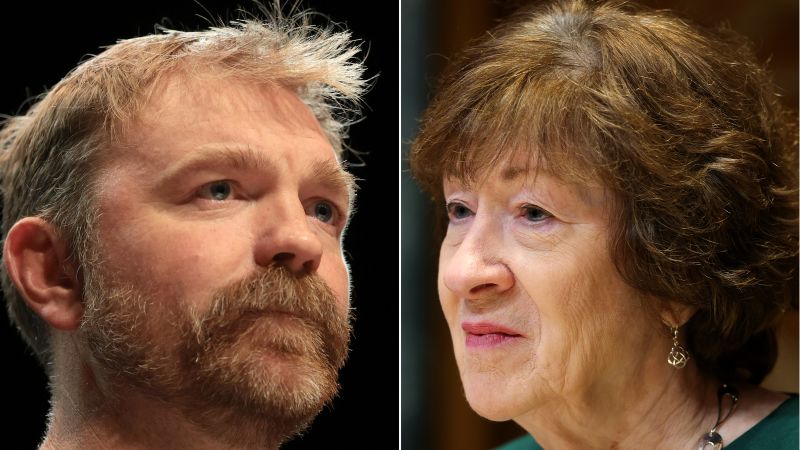
Graham Platner Challenges Republicans in Maine Senate Race
Primary Victory and the Road to November
Graham Platner tears into Republicans after – Graham Platner’s win in Maine’s Democratic Senate primary has sparked sharp criticism of the GOP, as he now faces off against Susan Collins in the general election. The outcome, which saw Platner narrowly defeat his rivals, signals a shift in the state’s political landscape and sets the stage for a high-stakes contest. His victory has been framed by some as a rejection of the Republican establishment, with his campaign highlighting his progressive stance as a key differentiator. While Collins remains a formidable incumbent, Platner’s ability to mobilize voters and secure the nomination suggests a potential challenge to the status quo.
Platner’s campaign emphasized his critique of Republican policies, particularly on issues like healthcare and climate change. His victory speech, delivered at a local YMCA in his hometown, underscored his commitment to aligning with Maine’s values and reshaping the national agenda. “Mainers have chosen a candidate who stands for change,” he said, a sentiment that resonates with voters disillusioned by traditional political figures. The race now focuses on whether Platner can translate his primary success into a November win, with his rhetoric and record shaping the narrative for the next phase.
Controversies and Campaign Strategies
Before Tuesday’s election, Platner’s campaign was overshadowed by personal controversies. His tattoo, interpreted by some as a nod to Nazi symbolism, and his past social media posts on Reddit drew scrutiny. Additionally, reports of sexting with women other than his wife and alleged difficult interactions with former partners fueled doubts about his character. However, as the election neared, these issues seemed to lose traction, with voters prioritizing his policy positions over personal scandals.
“If you believe, as I do, that we can change our politics, and change our country, then you must also believe that people can change,” Platner declared in his victory speech. “The reason I believe that is because I have lived it — and the reason I have lived it is because of my wife.”
This message aimed to reassure constituents that his past missteps were not indicative of his future conduct. By framing his personal life as a testament to growth, Platner sought to distance himself from the controversies that had plagued his campaign earlier in the cycle.
Susan Collins’ Reaction and Political Implications
Susan Collins, the Republican incumbent, faced immediate backlash after Platner’s win. In a post-election interview, she acknowledged the allegations against Platner but stressed the importance of a fair evaluation of his qualifications. “Maine voters have chosen a candidate who represents their vision for the future,” she said, though her comments hinted at concerns about the Democratic candidate’s ability to hold office. Collins’ campaign has since focused on countering Platner’s narrative, emphasizing her experience and centrist appeal as assets in a polarized race.
“Mainers have shown they are ready for a new era of leadership,” Collins’ spokesperson noted. “But we must ensure that this candidate is prepared to deliver on promises.”
The Senate Leadership Fund, a Republican-aligned super PAC, added fuel to the fire by branding Platner a “dangerous deviant” and warning of his potential to disrupt the GOP’s Senate strategy. With Maine often seen as a swing state, the race has national implications, as control of the chamber hinges on outcomes in key districts like this one.
Republican Strategy and Democratic Momentum
Despite the challenges, Republican leaders remain optimistic about Collins’ prospects. A recent memo from the National Republican Senatorial Committee highlighted the need for a “total urgency” in countering Platner’s momentum. “Senator Collins has proven her ability to win tough races,” the document stated, suggesting that the GOP’s resources and messaging could still tip the balance. However, Democrats argue that Platner’s grassroots support and focus on progressive issues give him an edge in a state where voter turnout has historically been strong.
Platner’s victory also underscores a broader trend in the Democratic Party’s approach to Senate races. By selecting a candidate with a clear stance on social and economic issues, the party has positioned itself to challenge the GOP’s dominance in key states. While Collins’ experience is a significant asset, the primary results suggest that voters are more interested in new ideas than in defending the old guard. This dynamic could influence the broader political climate as the November elections approach.
Key Takeaways for the General Election
As the general election nears, the focus will shift to policy debates and voter outreach. Platner’s campaign will need to maintain its momentum while addressing any lingering doubts about his past. Collins, on the other hand, will likely highlight her bipartisan record and appeal to moderate voters. The race in Maine is not just about state politics — it is a microcosm of the national struggle between progressive and centrist agendas. With both candidates poised to vie for Senate control, the outcome could have far-reaching consequences.
Looking Ahead: A Test of Political Resilience
The primary election has set the stage for a showdown that will test the resilience of both parties. For Democrats, Platner’s win represents a step forward in reclaiming Senate seats. For Republicans, it serves as a reminder of the need to adapt to changing voter preferences. As the campaign intensifies, the focus keyword “Graham Platner tears into Republicans” will likely resurface in media coverage and political analysis, shaping the perception of the race. Ultimately, the November election will determine whether this state remains a Republican stronghold or becomes a new Democratic battleground.
