
Iran’s nuclear stockpile — a key part of negotiations to end the war and a focus of Trump’s — explained
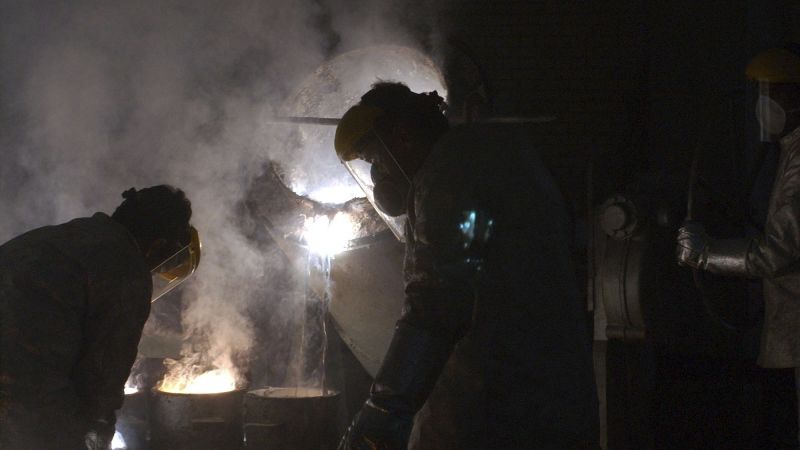
Iran’s Nuclear Stockpile: Key to War Ceasefire and Trump’s Strategy
Iran s nuclear stockpile – Iran’s nuclear stockpile stands at the heart of ongoing ceasefire discussions between the U.S. and Iran, with the issue becoming a focal point of President Trump’s approach. The dispute centers on the amount of enriched uranium Iran has accumulated, particularly its nearly 970 pounds of material enriched to near-weapons-grade levels. This stockpile represents a pivotal element in the negotiations, as both parties assess its strategic value and the potential risks it poses to regional security.
Highly Enriched Uranium and Its Strategic Significance
The U.S. and Iran’s talks have been heavily influenced by the status of Iran’s uranium stockpile, which could be converted into nuclear warheads in a short timeframe. Experts estimate that the current level of enrichment—around 60%—would allow Iran to produce up to ten nuclear weapons if it gained access to its enrichment facilities. This potential capability has raised concerns about the stability of any agreement, with the stockpile serving as a leverage point for both sides.
Iranian officials have consistently framed their nuclear program as a peaceful endeavor, asserting their right to enrich uranium for energy purposes. However, the U.S. views the stockpile as a direct threat, especially under the Trump administration, which prioritized its removal. The challenge lies in determining how much of this stockpile could be weaponized and whether its elimination is feasible within the scope of a proposed agreement.
Enrichment Infrastructure and Recent Developments
Iran’s nuclear enrichment process relies on advanced centrifuge technology housed in underground facilities across Natanz, Fordow, and Isfahan. These sites have enabled the country to maintain a steady production of enriched uranium, a fact highlighted by the International Atomic Energy Agency (IAEA) during its last verification in June 2025. The uranium, still in gaseous form at that time, has since become a central issue in the evolving diplomatic landscape.
A critical development occurred in June 2025 when U.S. and Israeli forces conducted airstrikes targeting Iran’s nuclear infrastructure. While the operation damaged key facilities, experts note that highly enriched uranium at Isfahan remained largely intact. This means Iran could rapidly resume enrichment efforts, depending on access to its facilities and resources. The strikes also prompted Iran to temporarily restrict international inspections, further complicating the situation.
Trump’s Military Threat and Operational Challenges
As the ceasefire talks approach a final phase, Trump has emphasized the necessity of securing Iran’s nuclear stockpile, warning of military action if progress stalls. According to military planners, extracting the material would require significant logistical coordination, including deploying hundreds of troops to secure sites and manage radioactive materials in a conflict zone. The operation’s success depends on rapid deployment and the ability to control the environment during the extraction process.
Analysts have raised concerns about the difficulty of locating and verifying all the enriched uranium under pressure. “The process of retrieving this stockpile is more complex than it appears,” said Scott Roecker, a former defense intelligence analyst. The potential for escalation remains high, with the risk of prolonged engagement and casualties. Trump’s threat underscores the urgency of resolving the uranium issue before tensions intensify further.
Expert Views on Feasibility and Timeline
Eric Brewer, a nuclear materials expert at the Nuclear Threat Initiative, has warned that leaving Iran’s stockpile unaddressed could create a dangerous precedent. “If we fail to remove this stockpile, it could enable Iran to quickly develop a nuclear arsenal,” Brewer stated. The timeline for resolution is tight, with the U.S. and Iran working to finalize terms before the next phase of negotiations. The question remains: can the stockpile be secured without compromising the broader ceasefire agreement?
Brewer also emphasized that the enrichment process is efficient, with the transition from 60% to 90% purity achievable in weeks. This rapid capability has made the stockpile a key bargaining chip, as its removal would significantly reduce Iran’s nuclear threat. However, the challenge lies in balancing immediate military action with long-term diplomatic goals, ensuring the stockpile becomes a lasting solution rather than a recurring point of contention.
