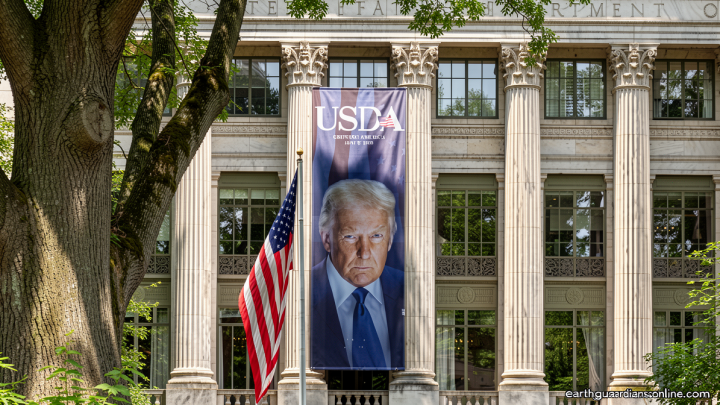
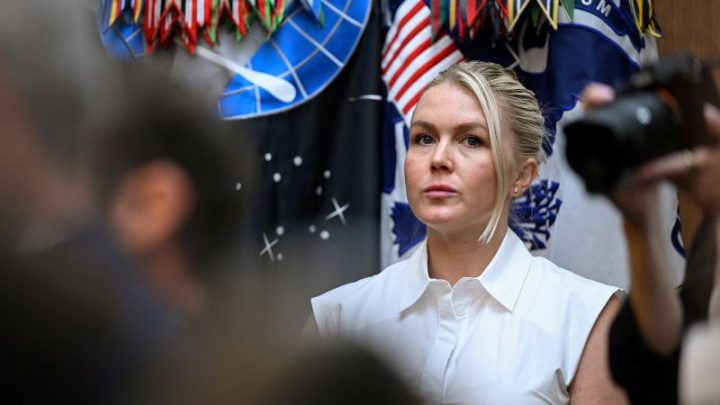
Key takeaways from Tuesday’s primaries in Florida, Alaska and Wyoming

Daftar Isi
Primary Night Upends Expectations Across Three States
Earthguardiansonline.com – Tuesday’s ballot boxes delivered a mixed signal to both parties: the president’s preferred candidates stumbled in key races, a long-tenured House Republican fell to an ethics scandal, and a democratic socialist cemented her grip on a Senate primary in one of the nation’s most populous states. Voters in Florida, Alaska, and Wyoming cast ballots that reshaped the landscape heading into November, while Californians simultaneously selected between two Democrats to fill a House vacancy.
Florida’s Governor’s Race: Trump’s Pick Falls Short of Dominance
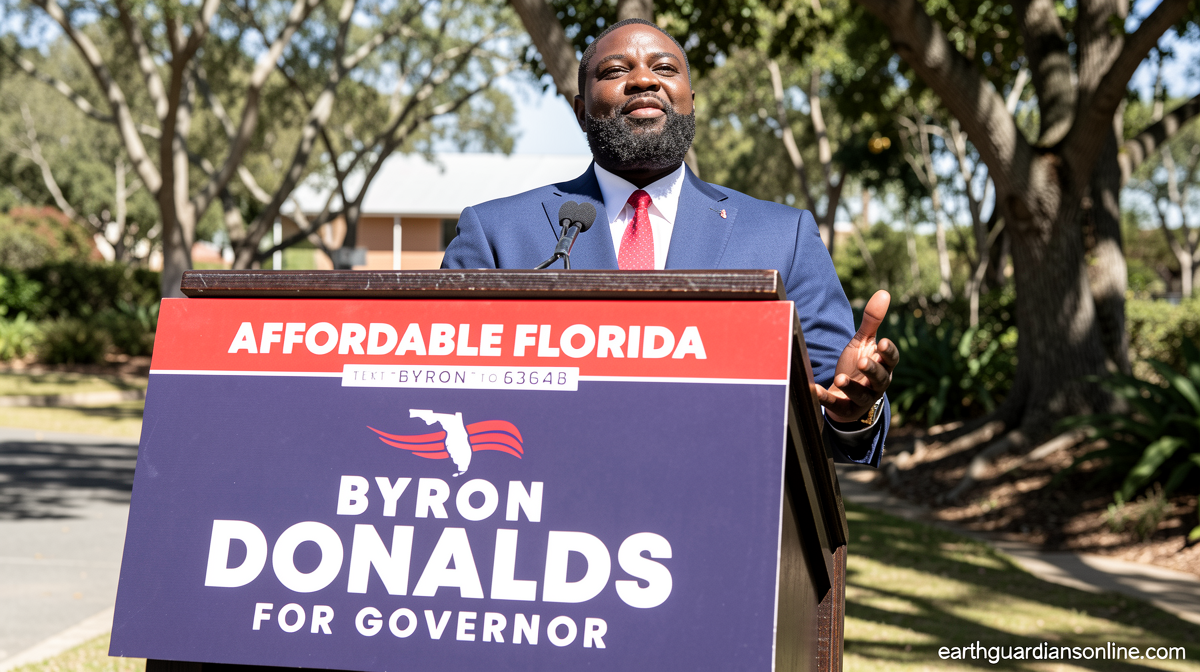
With term limits forcing Gov. Ron DeSantis out of office, Florida Republicans turned to Rep. Byron Donalds, a close Trump ally, to carry the party’s banner into the general election. The outcome itself was predictable, yet the margin told a story that campaign strategists will dissect for weeks. Donalds, who had spent more than a year courting the electorate under the president’s explicit endorsement and the backing of much of the state GOP establishment, finished below the 50 percent threshold.
The fundraising numbers underscore how lopsided the race was supposed to be. Donalds banked over $100 million during the primary cycle, and the Sunshine State’s registration rolls tilt heavily toward his party, with roughly 1.5 million more registered Republicans than Democrats on the books. His platform centered on property tax relief, tighter oversight of data centers, and an unambiguous alignment with the Trump administration. He also paid public tribute to DeSantis and former governor-turned-Sen. Rick Scott, crediting them with laying what he described as a solid institutional groundwork.
“We put aside our differences tonight. We are one united Republican Party.”
Yet the sub-50 percent finish raised uncomfortable questions. A Republican fundraiser told the outlet covering the race that the shortfall caught operatives off guard.
“We were all a bit surprised he didn’t get there. Is there an actual vulnerability there? Is it Trump’s approval rating hurt him? They have to figure that out.”
The contrast with other Trump-backed gubernatorial candidates sharpened the point. Just weeks earlier, Rep. Andy Biggs, another MAGA stalwart carrying the president’s blessing, cruised to the Arizona governor nomination with approximately 74 percent of the vote. Few anticipated Donalds matching that total, and the gap between the two outcomes will fuel internal debates about whether the endorsement still carries the same gravitational pull it once did.
A longtime GOP operative in Florida, speaking shortly after confetti settled at the victory watch party, offered a more cautious read:
“It’s going to be more of a race, at least at the start, then most people wanted to believe a few months ago.”
Adding fuel to the intra-party tension, DeSantis himself declined to endorse any candidate — including his own lieutenant governor, Jay Collins — while nonetheless raising pointed questions about Donalds’ candidacy throughout the primary season. The former governor’s ambivalence turned what should have been a coronation into something closer to a family dispute, complicating the unity narrative Donalds sought to project.
The Democratic Side: A Party-Switcher and a Socialist Both Advance
On the Democratic flank, former Rep. David Jolly secured the nomination for governor. Jolly, who departed the Republican Party in 2018 and formally registered as a Democrat last year, framed his victory as evidence of a shifting political alignment.
“There is a new coalition emerging in American politics tonight, and it’s starting right here in the state of Florida.”
Meanwhile, state Rep. Angie Nixon, a democratic socialist, won the party’s Senate primary, extending the left’s growing footprint in a state that once seemed immune to such candidacies. Two House incumbents running for the first time in newly redrawn districts also survived primary challenges from the left, suggesting the socialist surge has limits even in a year when it appeared unstoppable.
A House Seat Changes Hands in Florida’s 19th District
Perhaps the most consequential result of the night came in the race to replace Donalds in Florida’s 19th Congressional District. Trump’s preferred candidate, former Commerce Department official Catalina Lauf, lost to Jim Schwartzel, a Southwest Florida native who serves as president of Sun Broadcasting and was making his first run for office. The upset underscored a broader pattern: the president’s endorsement, once treated as a near-automatic ticket to victory, has failed to deliver in gubernatorial contests in Iowa, Minnesota, Georgia, and South Carolina, and now appears to have faltered in a House race as well.
In a separate House contest, Rep. Cory Mills, a Republican embroiled in an ethics investigation spanning multiple fronts, lost his seat to a former news anchor who drew the backing of two GOP members of Florida’s congressional delegation. The loss marked a rare primary defeat for an incumbent and signaled that internal party discipline can override seniority when credibility erodes.
Alaska’s Senate Race Heads to November
In Alaska, GOP Sen. Dan Sullivan and Democratic former Rep. Mary Peltola both advanced to the general election for the state’s Senate seat. The more intriguing question is whether a second candidate named Dan Sullivan — a different individual sharing the senator’s surname — will also appear on the November ballot. If so, Democrats may find an unintended advantage in a race they are already eyeing as a potential flip.
Wyoming: Another Endorsement Rebuff
Wyoming voters added yet another data point to the endorsement debate, selecting state Sen. Eric Barlow for governor over the Trump-endorsed state Superintendent of Public Instruction. The result extended a growing list of races in which the president’s preferred candidate was rejected by primary voters, reinforcing the view that the endorsement’s power, while still substantial, is no longer absolute.
Taken together, Tuesday’s outcomes paint a picture of a Republican primary electorate that remains loyal to the president’s brand in most cases but is willing to punish candidates when local grievances, credibility questions, or simple voter fatigue intervene. For Democrats, the night delivered a Senate primary win by a socialist, a gubernatorial nomination by a former Republican, and a House upset — a trifecta that, while not yet a governing majority, marks a measurable shift in the party’s internal center of gravity.
Related Reading
Frequently Asked Questions
What is Key takeaways from Tuesday s primaries?
Key takeaways from Tuesday s primaries is the main topic of this guide. The article explains the context, practical details, and next steps readers should understand.
Why does Key takeaways from Tuesday s primaries matter?
Key takeaways from Tuesday s primaries matters because readers are looking for a useful answer, not just a short summary. Good content should match search intent and help them decide what to do next.