
Trump invokes law to increase weapons production after Iran war depleted US stocks
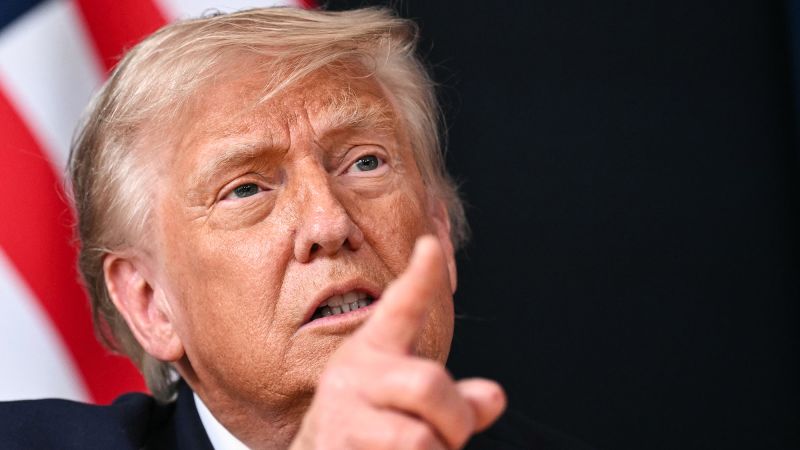
Trump Invokes Defense Production Act to Boost Weapons Manufacturing Amid Post-Iran War Concerns
Trump invokes law to increase weapons – Following the recent conflict with Iran, President Donald Trump has taken decisive action by activating the Defense Production Act (DPA) to ensure an uptick in weapon production. The move aims to address the depletion of U.S. military stockpiles, which experts say were significantly strained during the war. In a document signed last week, Trump asserted that “conditions exist which may pose a direct threat to the national defense or its preparedness programs.” This declaration underscores the administration’s urgency in securing the country’s military readiness.
Systemic Challenges in the Munitions Supply Chain
The DPA directive highlights challenges within the munitions industrial base, such as limited production capacity and fragile supply chains. These factors, combined with long-lead dependencies and production bottlenecks, are said to hinder the U.S. military’s ability to sustain its inventory of missiles and equipment. The order, directed to Defense Secretary Pete Hegseth, emphasizes the need to prioritize manufacturing efforts to mitigate these risks. According to the document, the threat to national defense is not just hypothetical but a pressing reality due to the rapid depletion of critical stockpiles.
Public statements from Pentagon officials during the war suggested confidence in the nation’s military reserves. However, private assessments reveal a different narrative. Senior officials have expressed concern that the war’s intensity has created a gap in the U.S. arsenal, particularly for precision strike and air defense systems. The conflict with Iran, alongside ongoing operations in Gaza and Ukraine, has accelerated the use of weapons, leaving the military in a precarious position. This situation has amplified long-standing worries about the defense industry’s capacity to meet demand swiftly.
Trump’s Expansive Use of Presidential Authority
The Defense Production Act, a tool dating back to the 1950s, grants the president broad powers to expedite the production of essential resources. This includes compelling companies to prioritize contracts for national defense purposes and offering incentives to boost critical material output. The law has been invoked previously for initiatives ranging from pandemic-related ventilator production to domestic mineral extraction. Trump’s latest use of the DPA reflects a growing emphasis on ensuring the military’s supply chain remains robust.
During his first term, Trump leveraged the DPA to address shortages during the pandemic, directing manufacturers to shift focus to ventilators and medical supplies. In his second term, he employed it to advance U.S. energy and mineral production, demonstrating a pattern of using the law to tackle both domestic and global challenges. The current invocation, however, marks a shift toward addressing military preparedness, with the administration citing the Iran war as a catalyst for action.
Contrasting Public and Private Assessments
While Hegseth and other Pentagon officials publicly maintained that the U.S. had sufficient weapons to meet global demands, the situation behind the scenes paints a more urgent picture. On Sunday, three days after the DPA order was signed, Hegseth told CBS News’ Margaret Brennan that there was no crisis in weapon stockpiles, dismissing the media’s portrayal as a “manufactured story.” This contrast between public reassurances and internal concerns highlights the complexity of managing military logistics in times of conflict.
Nevertheless, recent analyses by the Center for Strategic and International Studies (CSIS) indicate that the war has indeed had a measurable impact on U.S. munitions. The report found that at least 45% of the Precision Strike Missile stockpile was used, along with approximately half of the Patriot and THAAD missile reserves. These figures suggest that the Pentagon’s ability to replenish supplies is under pressure, with experts warning that it could take one to four years to restore inventory levels to pre-war capacities.
Political Context and Strategic Implications
Trump’s decision to invoke the DPA comes amid a broader focus on strengthening the defense industrial base. Earlier this year, he had already directed companies to improve their weapon systems delivery, threatening to limit stock buybacks and executive salaries unless progress was made. This approach aligns with his long-standing advocacy for American manufacturing and self-reliance in critical sectors. The Iran war, which saw the U.S. deploy a significant amount of firepower, has intensified these efforts, with the administration seeking to ensure the country’s ability to respond to future threats.
During the G7 summit in France, Trump acknowledged the financial toll of the conflict, noting that “$200 million worth of bombs” were used in the final days of the war. “It is expensive too, aside from everything else,” he remarked, emphasizing the resource-intensive nature of military operations. This comment underscores the economic dimension of the DPA invocation, as the administration seeks to balance immediate needs with long-term strategic goals. The law’s invocation also signals a shift toward more proactive measures in defense production, potentially setting a precedent for future crises.
The DPA’s provisions include the establishment of advisory committees to guide production efforts, a key component of Trump’s latest order. By incorporating this mechanism, the administration aims to engage industry leaders in addressing vulnerabilities in the supply chain. This step reflects a recognition that collaboration with private firms is essential to overcoming production bottlenecks and ensuring the military’s capacity to sustain operations. The law’s flexibility has allowed it to be adapted to various scenarios, from wartime needs to peacetime emergencies.
Historically, the DPA has been a critical tool for the U.S. government to respond to national emergencies. Its use during the pandemic and in energy sectors demonstrates its versatility. However, the current application highlights its role in military preparedness, particularly in the face of prolonged conflicts. With Iran, Ukraine, and Gaza all contributing to the depletion of stockpiles, the administration’s invocation of the DPA signals a broader concern about the sustainability of the U.S. military’s arsenal.
As the Pentagon works to address these challenges, the DPA’s directive serves as a reminder of the nation’s reliance on industrial production for security. The law’s invocation not only pressures defense contractors to increase output but also reinforces the administration’s commitment to maintaining a strong defense posture. This move may have long-term implications for how the U.S. manages its military resources, especially in an era of persistent global conflicts and shifting geopolitical landscapes.
Expert Warnings and Future Preparedness
Before the war with Iran began, the Chairman of the Joint Chiefs of Staff, Gen. Dan Caine, had already raised alarms about the potential impact of a prolonged campaign on U.S. weapons stockpiles. “The high munitions expenditures have created a window of increased vulnerability in the western Pacific,” said Mark Cancian, a retired U.S. Marine Corps Colonel and co-author of a recent CSIS report. His warning, echoed by other analysts, highlights the fragility of the current inventory levels and the need for swift replenishment.
Analysts suggest that the depletion of key weapons systems may take years to address fully. While the Pentagon can replenish stockpiles within a few years, expanding them to meet future demands could require even longer. This timeline raises questions about the nation’s readiness for prolonged military engagements, especially as tensions with Iran and other regions continue to evolve. Trump’s DPA order is a step toward mitigating these risks, but its effectiveness will depend on the cooperation of defense contractors and the ability to secure necessary resources.
The invocation of the DPA also marks a strategic shift in how the U.S. approaches defense production. By prioritizing voluntary agreements and plans of action, the administration seeks to align industry goals with national security needs. This approach not only addresses immediate shortages but also aims to create a more resilient defense industrial base for future challenges. The law’s broad authority allows for this flexibility, making it a valuable instrument in times of crisis.
As the U.S. continues to navigate the aftermath of the Iran war, the DPA serves as a testament to the administration’s proactive stance on military readiness. The move reinforces the idea that the defense industry is a critical pillar of national security, requiring consistent investment and oversight. While Hegseth and others maintain that the stockpiles are adequate, the invocation of the DPA suggests that the administration is preparing for the possibility of sustained demand, ensuring that the U.S. remains a formidable force on the global stage.
