
Trump upends careful compromise on intel chief, plunging GOP into disarray
Trump Upends Careful Compromise on Intel Chief, Plunging GOP into Disarray
A Midnight Message Upends GOP Strategy
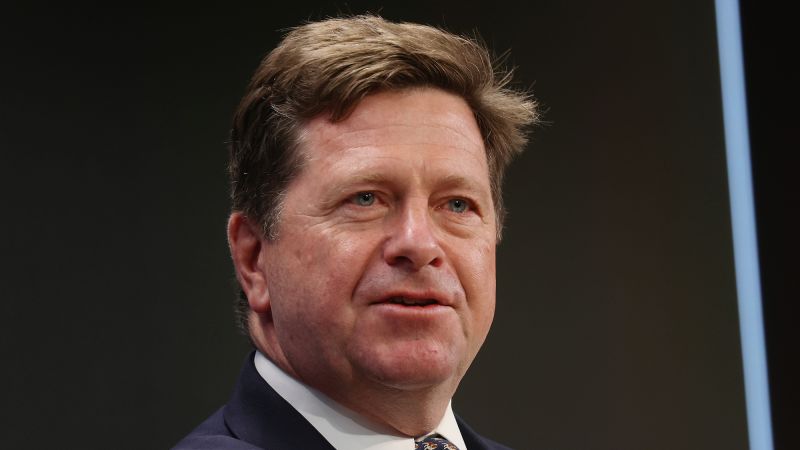
Trump upends careful compromise on intel – On the early hours of Wednesday, June 17, 2026, President Donald Trump’s abrupt announcement via Truth Social sent shockwaves through Capitol Hill. The message, posted from Switzerland, unveiled a dramatic shift in the Republican Party’s strategy regarding the nomination of Jay Clayton as the next Director of National Intelligence (DNI). By canceling the Senate hearing for Clayton’s confirmation, Trump effectively stalled the process, ensuring that his handpicked interim chief, Bill Pulte, would remain in charge for an extended period. This decision, made without prior consultation with key Senate leaders, created a rift within the GOP and raised questions about the administration’s ability to maintain cohesion in legislative affairs.
“I will not approve FISA without THE SAVE AMERICA ACT going along with it. Not complicated, actually, the Republicans fell into a trap,” Trump wrote in his post.
The Compromise That Crumbled
Capitol Hill Republicans had previously reached a tentative agreement to replace Trump’s controversial intelligence chief nomination with a more moderate candidate, Jay Clayton. This compromise aimed to ease tensions with Democrats over the reauthorization of FISA, a critical surveillance law that grants the U.S. government broad authority to conduct foreign intelligence operations. The plan had been seen as a pragmatic solution to ensure the continuation of vital national security measures while avoiding a protracted partisan battle. However, Trump’s overnight directive dashed these efforts, forcing GOP leaders into a difficult position.
The president’s demand to tie FISA reauthorization to his voter ID bill, the Save America Act, signaled a broader strategy to weaponize the issue for political leverage. While the bill was a must-pass measure, its inclusion as a rider to FISA created an unexpected obstacle. Senate Republican leaders had anticipated a smoother path for Clayton’s confirmation, but Trump’s intervention introduced uncertainty. The message also highlighted the president’s frustration with the committee’s progress, as he insisted that the GOP’s compromise had been “trapped” by the Democrats’ insistence on reauthorizing the surveillance program.
Trump’s Demand for a Political Bargain
By canceling the hearing for Clayton, Trump effectively tied the fate of his intelligence nominee to the passage of the Save America Act. This move underscored his willingness to delay the nomination process until his legislative priorities were met. The timing of the decision—posted just hours before the hearing was scheduled to begin—left the Senate Intelligence Committee scrambling to adjust its plans. Some senators, including Jay Clayton himself, were instructed not to attend, according to a source close to the matter.
While the committee had initially planned to proceed with the hearing, the pressure from the White House forced a last-minute cancellation. This marked a significant departure from standard procedural norms, as the responsibility for canceling a hearing typically lies with the committee chair. Senate Intelligence Committee Chairman Tom Cotton had initially stated that the hearing would go forward, but he was quickly compelled to reverse his stance. The situation highlighted the growing tension between Trump and the Republican leadership, as the president’s unilateral actions challenged the party’s internal consensus.
Senate GOP’s Dilemma
Senate GOP leaders found themselves in a precarious position, caught between their loyalty to the president and their need to maintain procedural integrity. The cancellation of the hearing disrupted a carefully orchestrated effort to secure a compromise candidate, with Clayton seen as a potential bridge between Trump’s agenda and the broader Republican base. John Thune, the Senate Majority Leader, expressed uncertainty about the next steps, stating he was “awaiting clarity” from the White House. “We’ll just have to take it a day at a time,” he said as he entered the Capitol, flanked by a group of reporters.
Thune’s comments reflected the frustration of many Republicans who had hoped to navigate the nomination process without further controversy. The abrupt nature of Trump’s intervention, which came after days of negotiation, left the party scrambling to adapt. Meanwhile, the delay in confirming Clayton raised concerns about the operational continuity of the intelligence agencies. Without a confirmed director, the interim leadership under Pulte would face increased scrutiny, particularly as the FISA reauthorization deadline loomed.
Democrats’ Outcry
Democrats swiftly condemned Trump’s decision, viewing it as an attempt to politicize national security. Senator Mark Warner, the top Democrat on the Senate Intelligence Committee, called the move “an extraordinary display of dysfunction from a president who seems determined to turn America’s national security into a political bargaining chip.” Warner emphasized that the Democrats were unlikely to support the reauthorization of FISA without concessions on Trump’s voter ID bill, which has been a contentious issue in recent months.
The Save America Act, which requires states to implement strict voter ID laws, had already faced opposition from civil rights advocates and some Republicans. By attaching it to the FISA bill, Trump sought to force a compromise, but the Democrats remained firm. Warner’s statement signaled that the party would withhold its backing for the surveillance program unless Trump’s legislative demands were met, further complicating the already fragile situation. The delay in confirming a DNI also raised concerns about the effectiveness of intelligence operations, as the nation’s security infrastructure relied on timely leadership.
The Fallout and Next Steps
Trump’s decision to cancel the hearing for Jay Clayton has left Congress in a state of confusion. While the GOP remains divided on how to proceed, the administration’s assertive approach has intensified the pressure on Senate leaders. The Save America Act’s inclusion as a rider to FISA has become a focal point of the debate, with both parties struggling to find common ground. The reauthorization of section 702 of the Foreign Intelligence Surveillance Act (FISA) is critical for maintaining the U.S. government’s ability to monitor foreign threats, yet its passage now hinges on the outcome of this political stalemate.
As the situation unfolds, the Senate Intelligence Committee faces the challenge of rescheduling the hearing for Clayton. While the exact timeline remains unclear, the compromise candidate’s nomination appears to be in jeopardy. This development has not only deepened the divide within the GOP but also exposed the administration’s reliance on procedural tactics to advance its agenda. With the FISA reauthorization deadline approaching and the GOP’s leadership floundering, the nation’s intelligence community stands on the brink of further uncertainty. The fallout from Trump’s midnight message continues to reverberate, signaling a potential shift in the balance of power between the executive branch and Congress.
Meanwhile, the role of Bill Pulte as acting DNI has been reaffirmed by Trump, who insists on keeping him in the position until the contentious nominee is approved. This has sparked debate within the Republican Party, with some members questioning whether the delay is necessary or if it reflects a broader strategy to consolidate control over the intelligence apparatus. As the Senate grapples with the fallout, the path forward remains unclear, and the political maneuvering surrounding FISA and the Save America Act shows no signs of abating.
