With UFC fight night wrapped at the White House, days of breakdown and cleanup begin

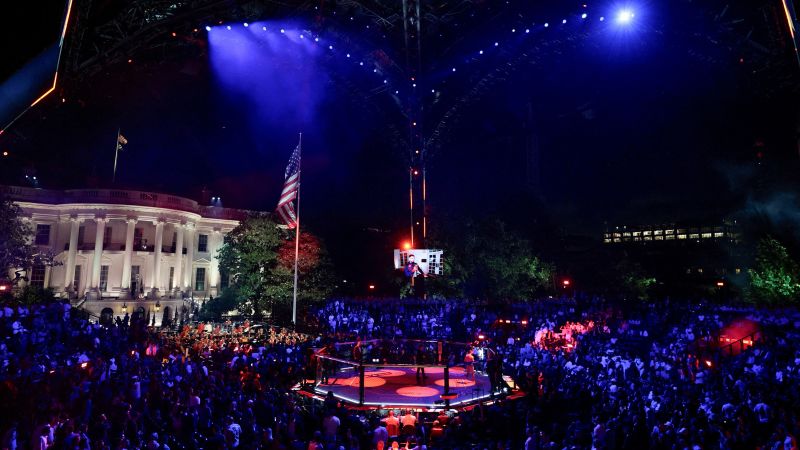
With UFC Fight Night Concluded at the White House, Days of Demolition and Organization Begin
With UFC fight night wrapped at – Monday marked the end of a high-profile UFC event held at the White House, as attendees were swiftly evacuated from the South Lawn and Ellipse. This immediate departure allowed teams to initiate a large-scale cleanup operation, which is expected to span over a week. Despite President Donald Trump’s earlier remarks suggesting the “Claw” lighting structure might remain a permanent feature, its disassembly is the first major phase of the dismantling process. “The Claw will be disassembled right after the event concludes. Demobilization is scheduled to begin at 10:00 a.m. on June 15, 2026,” stated a sworn declaration from Joshua Fisher, the White House’s management and administration director.
Logistics of a Monumental Setup
Transforming the White House grounds into an arena for 4,000 spectators and broadcast facilities required an immense logistical effort, involving months of preparation. The setup, which included seating arrangements, stage infrastructure, and state-of-the-art equipment, was a collaborative venture between the UFC and federal agencies. The event also featured a fan festival accommodating over 100,000 visitors on the Ellipse, adding another layer of complexity to the operation. Fisher’s declaration, submitted during an unsuccessful lawsuit aimed at halting the event, emphasized the “highly complex, multi-faceted” nature of the project, noting that it was meticulously planned by numerous public and private organizations over a significant period.
Event Significance and Presidential Involvement
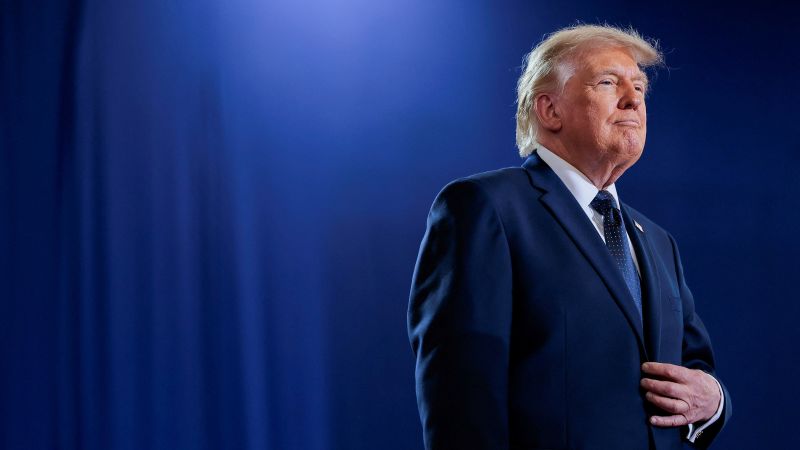
The UFC fight night coincided with two key milestones: Trump’s 80th birthday and the celebration of America’s 250th anniversary. This timing underscored the event’s role as both a personal tribute and a national spectacle. Trump, seated beside his wife, Melania, and UFC CEO Dana White, watched the matches from a cage-side position on the South Lawn. The decision to host the event at the White House reflected a growing trend of blending entertainment with political events, offering a unique platform for the UFC to showcase its brand.
Initial Cleanup Stages
As the crowd dispersed, the cleanup process began with the removal of security measures. Pedestrian barriers, anti-scalping fencing, and other temporary installations were dismantled early Monday. The detailed UFC schedule, included in a court filing, outlined the subsequent steps: merchandise trailers were set to depart, food and beverage operations would start packing up, and broadcast equipment would be gradually taken down. The U.S. Secret Service also planned to disassemble the magnetometers and tents used for security screening, ensuring the area was returned to its original condition.
Week-Long Demolition Plan
The cleanup effort is divided into stages, with specific tasks assigned to each day. On Tuesday, restrooms would be removed, and camera towers would begin disassembly. Staging areas would be dismantled as the week progresses, with interior fencing, power lines, and tents being cleared by mid-week. By Friday, the schedule indicated that stage load-out would be complete, signaling a major turning point in the dismantling process. The following Monday would see the removal of all remaining dumpsters and exterior fencing, leaving the grounds largely restored by the end of June 23. At that point, parking for White House staff—temporarily relocated to Pennsylvania Avenue—would reopen, and “turf remediation” would commence, ensuring the lawn was fully rehabilitated.
Financial Commitment and Shared Responsibilities
The UFC’s involvement in the event extended beyond entertainment, with the organization bearing the bulk of the financial burden. The company covered the roughly $60 million cost for production, labor, construction, and promotional expenses. In contrast, the federal government provided essential emergency services, including first aid, law enforcement, and security protocols. Fisher’s declaration highlighted the government’s contribution, though the exact cost to taxpayers remained unspecified. This division of responsibilities reflected the event’s dual nature: a private spectacle funded by the UFC and a public service supported by the federal agencies.
Challenges in Execution
Coordinating the setup and teardown of such a large event presented numerous challenges, particularly due to the tight timeline and security constraints. The build-in process, which started on May 20, involved daily screenings of up to 30 trucks carrying UFC equipment, such as staging infrastructure, to ensure compliance with White House protocols. Over 700 to 900 subcontractors, each specializing in a specific element of the build, were employed to complete the work efficiently. Fisher noted that the collaboration between the UFC and federal teams was critical, with security teams playing a central role in managing access and ensuring the safety of all participants.
Public Reaction and Long-Term Implications
While the event was a success in terms of execution, its impact on the White House’s usual operations sparked debate. Some critics viewed the massive setup as an overreach of presidential influence, while others praised it as a creative way to engage the public with a significant national celebration. The use of the Claw, a prominent lighting structure, was a point of discussion, with Trump initially hinting at its potential permanence. However, its removal signaled a return to normalcy after the weekend of activity. The cleanup process also served as a test of the federal government’s ability to support large-scale events, showcasing the coordination between agencies and private entities.
Legacy of the Event
As the final days of dismantling approach, the event’s legacy remains a topic of conversation. The UFC’s decision to host its fight night at the White House highlighted the intersection of sports and politics, creating a memorable occasion for both fans and dignitaries. The fan festival, which offered interactive experiences and entertainment, drew widespread attention and demonstrated the potential of using public spaces for cultural events. With the White House’s infrastructure gradually returning to its original state, the cleanup serves as a reminder of the temporary nature of such gatherings and the efforts required to maintain the site’s historical integrity. The event’s conclusion also sets the stage for future presidential initiatives, as the White House continues to adapt its use for diverse purposes.
Throughout the process, the meticulous planning and execution underscored the importance of teamwork between the UFC and federal agencies. The ability to transform the South Lawn and Ellipse into a functional arena within weeks of preparation reflects the high level of coordination and resource allocation involved. As the cleanup progresses, the White House will once again be a symbol of presidential authority and national pride, its grounds free from the temporary modifications that accompanied the UFC’s presence. The event’s duration and scale, however, will be remembered as a bold attempt to merge entertainment with the nation’s centennial celebrations.
For now, the focus remains on the systematic breakdown of the event’s components, ensuring that no detail is overlooked. From the removal of security barriers to the final steps of turf remediation, each phase of the cleanup is critical to restoring the White House’s appearance. The process also highlights the economic and logistical impact of hosting such an event, with both the UFC and federal government playing distinct roles in its success. As the final days unfold, the White House will once again stand as a testament to its adaptability and the enduring importance of its role in American life.
The event’s conclusion marks the end of a chapter that combined sport, celebration, and public engagement. While the UFC’s presence was temporary, its influence on the White House’s schedule and infrastructure was undeniable. The cleanup, though labor-intensive, is a necessary step in returning the site to its traditional function. As the grounds are restored, the story of the UFC fight night at the White House will remain a unique footnote in the annals of presidential events, blending the worlds of sports and politics in a way that captured the nation’s attention.