
Exclusive: Trump administration plans to use homeland security funds to pressure states into election changes
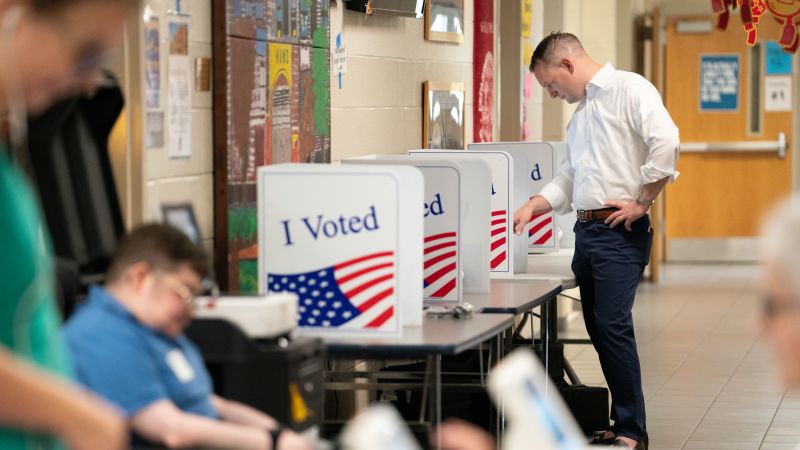
Exclusive: Trump administration uses homeland security grants to push election reforms
Exclusive – Washington, D.C. — The Trump administration is leveraging federal homeland security funds to incentivize states to adopt election modifications, as revealed by internal documents and multiple sources accessed by CNN. According to the findings, states that do not meet new criteria risk losing millions of dollars in annual grants, which are projected to exceed $1 billion in the current fiscal year. These funds, traditionally allocated to support state and local efforts in counterterrorism, infrastructure protection, and disaster preparedness, now carry a hidden agenda: reshaping election procedures to align with the administration’s vision of stricter voting controls.
A new strategy for federal influence
Under revised guidelines for several homeland security grant programs, states must implement a series of mandatory reforms. These include transitioning to hand-marked paper ballots, replacing electronic voting systems, and integrating their voter rolls with a controversial Department of Homeland Security (DHS) citizenship verification database. The changes are part of a broader effort by the Trump administration to address alleged voter fraud, a claim supported by some studies but contested by others. Despite this, the policy aims to centralize election oversight, arguing that such measures are essential to safeguarding national security.
“No changes to grant requirements or funding distributions are official until they are formally announced and published through proper, authorized agency channels,” stated a DHS spokesperson. “Any recipient of federal funding should expect accountability for how taxpayer dollars are spent.”
The administration’s approach mirrors a pattern of using federal resources as leverage to shape state policies. Similar tactics have been employed in the past to pressure states over immigration policies and diversity initiatives. Legal analysts note that this strategy could face challenges, as courts have previously intervened in such efforts. For instance, the Justice Department has sued 30 states for declining to share voter lists with the DHS’s Systematic Alien Verification for Entitlements (SAVE) system, which is central to the new election reforms.
State resistance and compliance costs
While the administration asserts that these reforms are non-negotiable, several states have already expressed concerns. Many jurisdictions use hand-marked paper ballots as standard, yet the new rules could force transitions for locations relying on electronic systems. Critics argue that the DHS’s SAVE database is flawed, often generating false matches that could erroneously identify eligible voters as noncitizens. This issue has prompted legal scrutiny, with some states resisting its mandatory use in election oversight.
The financial stakes are significant. States that fail to comply with the updated criteria may forfeit 20% of their grant money, a penalty that could amount to millions of dollars in annual funding. For context, the previous 3% allocation for election security is now being reinterpreted to prioritize the new reforms. This shift not only raises questions about the flexibility of federal funding but also highlights the administration’s willingness to apply pressure through financial incentives.
Legal challenges and constitutional debates
As with previous initiatives, the new election mandates are expected to draw legal objections. The Constitution grants states authority to administer elections, though federal intervention can occur through legislation or executive action. While Congress holds the power to set national election rules, the president’s ability to enforce changes unilaterally has been tested in court. Legal scholars warn that the current measures could face similar hurdles, particularly in light of states’ existing autonomy over voting processes.
David Becker, a former Justice Department lawyer now advising election officials, anticipates that the administration’s proposed reforms will be contested. “I expect (the new requirements) will be blocked in the courts,” he remarked. The battle over election control has intensified as states pass laws to limit federal interference, creating a tug-of-war between state sovereignty and federal oversight. This tension is further complicated by the growing reliance on digital systems, which some critics argue are more vulnerable to manipulation than traditional paper-based methods.
Targeted changes and implementation timelines
The new mandates focus on specific areas of state election administration. One key requirement involves conducting manual audits using the Trump administration’s protocols, ensuring that election results are scrutinized through a centralized framework. Another provision mandates the use of a government-approved system to verify the citizenship of all polling site staff, adding another layer of federal oversight. Additionally, states must submit plans to phase out voting systems that do not produce hand-marked paper ballots, a shift that could impact over 30% of voters nationwide.
According to internal documents, the updated guidelines are set to be distributed to states later this month. The timeline for implementation varies, but the administration is pushing for rapid adoption. Jurisdictions like Delaware, Georgia, Nevada, and South Carolina, as well as Los Angeles County, are among those most affected by the changes. These regions currently use a mix of electronic and paper-based voting systems, placing them at the center of the administration’s reform efforts.
The broader implications of federal funding
Homeland security grants have long served as a tool to support state-level initiatives, but their role as a political instrument is now more pronounced. By tying funding to compliance with election reforms, the Trump administration aims to ensure that states prioritize measures such as enhanced voter verification and manual audit processes. This strategy not only aligns with the administration’s claims of combating fraud but also underscores its commitment to centralizing control over the electoral process.
Legal experts point out that the administration’s approach could create a precedent for future federal interventions. “If this policy stands, it could redefine how states balance local governance with federal mandates,” said one constitutional law professor. The use of SAVE, in particular, has drawn criticism for its potential to disrupt voter registration processes. While the system is designed to identify noncitizen voters, its accuracy has been questioned, with some reports suggesting it misidentifies eligible voters in up to 10% of cases.
State-level debates and voter impact
State officials are divided on the implications of the new reforms. Some view the changes as a necessary step to strengthen election integrity, while others argue they could disproportionately affect voters in areas with limited access to paper ballots. For instance, in regions where ballot-marking devices are prevalent, the shift to hand-marked systems could complicate voting for elderly or disabled residents. This potential disruption has raised concerns about the fairness and accessibility of the electoral process.
Despite these challenges, the administration maintains that the reforms are essential for national security. “Election security is a critical component of our defense against domestic threats,” said the DHS spokesperson. The move to integrate voter data with federal systems is framed as a proactive measure to prevent fraud, though critics argue it could also be used to target specific demographics. The debate highlights the growing intersection of politics and public administration in shaping election procedures.
Looking ahead: A test of federal power
As the guidelines take effect, the administration will face a critical test of its ability to enforce compliance. While some states may reluctantly adopt the changes to secure funding, others could challenge the policy through legal action. The outcome of these efforts will depend on the courts’ interpretation of federal authority in election matters. For now, the stakes remain high, with the potential to reshape the landscape of state-level voting practices for years to come.
The strategy reflects a larger pattern of using financial incentives to influence state policies. By making compliance with election reforms a condition for receiving grants, the Trump administration is effectively creating a carrot-and-stick scenario. This approach not only strengthens its grip on the electoral process but also reinforces its argument that federal oversight is necessary to ensure election integrity. As states prepare to implement the new requirements, the focus will shift to how these changes are perceived by voters and whether they ultimately bolster or undermine confidence in the electoral system.
