
Americans are feeling a little better about the economy as gas prices ease
Americans are feeling a little better about the economy as gas prices ease
Consumer Confidence Bounces Back, But Persistent Concerns Remain
Americans are feeling a little better – Recent data released on Friday indicates a shift in Americans’ economic outlook, with optimism slowly returning after several months of declining consumer confidence. The University of Michigan’s latest survey revealed a notable improvement in sentiment, climbing from an earlier reading of 48.9 to a final score of 49.5. This uptick marks the first positive movement in consumer confidence since February, when the US-Israeli conflict with Iran began to ripple through global energy markets.
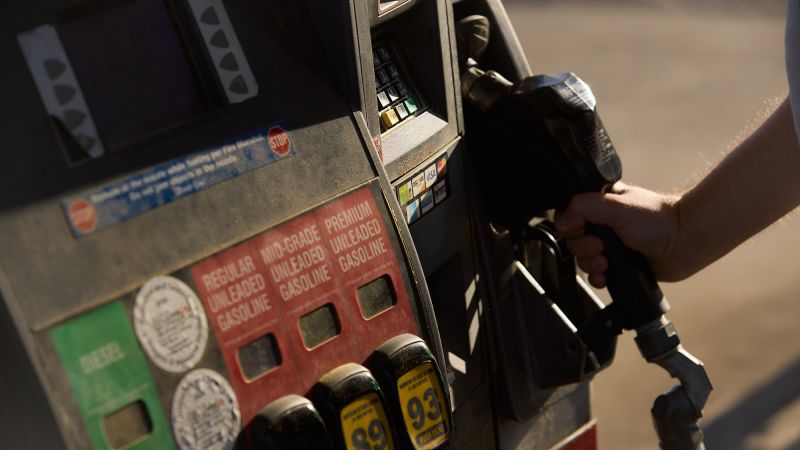
The initial dip in sentiment was largely fueled by the sharp rise in gas prices, which reached near-historic levels due to the Middle East conflict. The disruption of the Strait of Hormuz—a vital waterway for oil transportation—led to a spike in energy costs, straining household budgets. This period of instability caused two consecutive readings of record-low consumer confidence, as families increasingly allocated their spending to fuel rather than other essentials.
However, the recent stabilization of gas prices, driven by a fragile ceasefire in the region, has begun to reverse this trend. Consumers, who had been tightening their belts to cope with the soaring costs, are now seeing some relief. The University of Michigan’s data highlights this shift, showing that while sentiment has improved, it still lags significantly compared to pre-war conditions. A 13% decline from February’s levels underscores the lingering impact of the crisis on public perception.
Despite the easing of fuel prices, challenges persist in the broader economic landscape. Higher living costs, particularly in food and other necessities, continue to weigh on consumer morale. The survey notes that even as gas prices drop, Americans remain wary of overall economic conditions, with inflationary pressures still shaping their financial decisions. This suggests that while one factor has eased, others are keeping the mood subdued.
The University of Michigan’s survey, a longstanding barometer of economic sentiment, captures these nuances. It measures consumer confidence through a mix of questions about spending plans, employment stability, and overall economic outlook. The recent reading of 49.5, though a step forward, remains below the 50 threshold typically associated with optimism. This slight increase indicates a tentative recovery rather than a full rebound.
“For the third straight month, over half of consumers spontaneously mentioned that high prices are weighing down their personal finances,” noted Joanne Hsu, director of the University of Michigan’s Surveys of Consumers. Her statement reflects the ongoing struggle many face with rising expenses. While gas prices have eased, the psychological impact of the earlier price surge is still evident, as households adjust to new spending patterns.
Global Energy Dynamics and Local Economic Impact
The US-Israeli war with Iran created a domino effect on global energy markets, sending oil prices to their highest in years. The closure of the Strait of Hormuz, a critical chokepoint for maritime oil transport, exacerbated supply chain disruptions, pushing costs to unprecedented levels. This crisis not only affected energy prices but also rippled through other sectors, including transportation and manufacturing, where businesses faced higher operational expenses.
As the conflict subsided, the energy market began to stabilize. The temporary ceasefire allowed for a resumption of oil shipments, which in turn helped moderate prices. This development has provided some breathing room for consumers, though the long-term effects of the crisis are still being felt. The survey data aligns with this reality, showing that while fuel costs are down, other factors like food prices and inflationary trends remain pressing.
Consumers have adapted to the higher gas prices by adjusting their budgets. Many have prioritized fuel expenses, cutting back on discretionary spending and other non-essential purchases. This behavior has created a ripple effect, influencing retail sales and restaurant visits. However, the recent decline in fuel costs has allowed some of this spending to return, contributing to the slight increase in consumer sentiment.
Still, the economic landscape remains challenging. The lingering effects of the Middle East conflict have left households more cautious than before. While the immediate threat of supply disruptions has eased, the psychological scars of inflation and uncertainty are not so easily erased. The 13% drop in sentiment compared to February serves as a reminder of how deeply the crisis has affected economic confidence.
Broader Implications for the Economy
The University of Michigan’s survey is not just a reflection of consumer behavior—it also offers insights into the broader economic implications. A slight rise in sentiment may signal a temporary reprieve, but it does not fully address the underlying issues that have plagued the economy. Persistent high prices, coupled with wage stagnation, have kept many Americans in a state of economic anxiety.
Moreover, the survey highlights a divide between short-term relief and long-term concerns. While gas prices are easing, the cost of living remains elevated. Consumers are balancing the immediate benefits of lower fuel expenses with the ongoing challenges of high food prices and stagnant incomes. This duality has kept the overall sentiment from reaching pre-crisis levels, even as some optimism emerges.
Experts suggest that the recovery in consumer confidence may be gradual. The war’s impact on global energy prices has created a new normal, with prices expected to remain volatile. This uncertainty means that while Americans are feeling a little better now, they are still hesitant to commit to larger purchases or long-term financial plans. The survey’s findings support this cautious approach, as many consumers continue to prioritize savings over spending.
The data also reveals regional variations in consumer sentiment. In areas where gas prices have dropped more sharply, there is a noticeable improvement in outlook, whereas regions with slower price declines or higher living costs show more resistance to change. This variability underscores the complexity of the economic situation, where local factors play a significant role in shaping individual perspectives.
Looking ahead, the key to sustained recovery will depend on whether the current trends in energy prices can be maintained. A stable ceasefire in the Middle East could lead to further declines in fuel costs, potentially boosting consumer confidence. However, if the conflict reignites or new supply chain issues arise, the upward momentum may stall. The University of Michigan’s survey will continue to track these shifts, offering a critical indicator of public sentiment as the economy navigates these challenges.
As the data shows, consumer confidence is a fragile indicator. While Americans are feeling a little better about the economy now, the broader context of inflation, geopolitical tensions, and wage growth means that this improvement is not yet a full recovery. The survey’s findings serve as a reminder that even in times of partial relief, the economic climate remains uncertain for many households.
Joanne Hsu’s comments emphasize the persistent influence of high prices on consumer behavior. The fact that over half of respondents still cite cost concerns as a key factor highlights the deep-seated impact of the crisis. This suggests that while the immediate pressure from gas prices has lessened, the broader economic anxieties remain.
Ultimately, the slight rise in consumer sentiment is a positive sign, but it is tempered by the ongoing challenges. Americans are adapting to the new economic reality, making adjustments to their budgets and spending habits. Yet, the long-term effects of the war and its associated price hikes continue to shape their outlook. The University of Michigan’s survey provides a snapshot of this delicate balance, reflecting both progress and lingering uncertainty in the American economy.
