Explaining the World Cup’s newest rules

Explaining the World Cup’s Newest Rules
A New Era of Regulation in the Beautiful Game
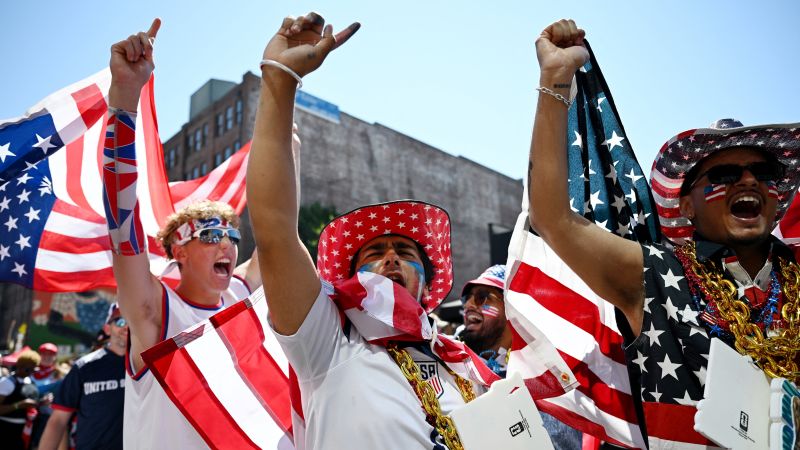
Explaining the World Cup s newest – As the 2026 World Cup kicks off, fans and players alike are grappling with a set of updated regulations that aim to reshape the flow of the tournament. While the USA’s next group match remains a focal point for many, the introduction of these rules has already sparked conversations across the global soccer community. The changes, which include a mix of technical adjustments and behavioral guidelines, are designed to address modern challenges in the game—both on and off the pitch.
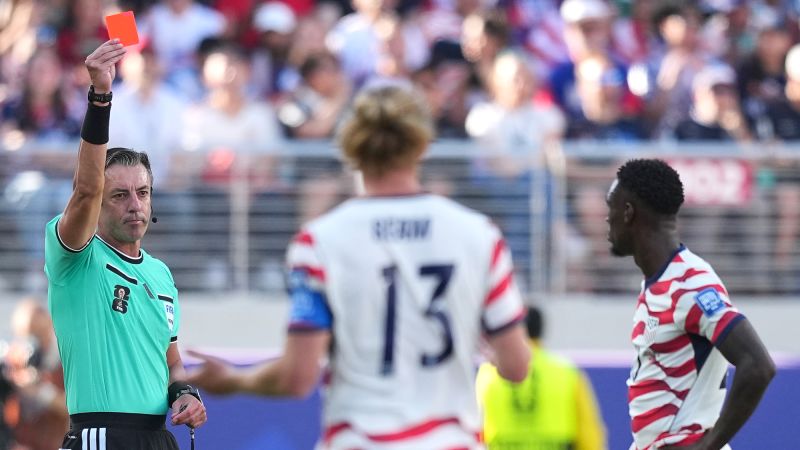
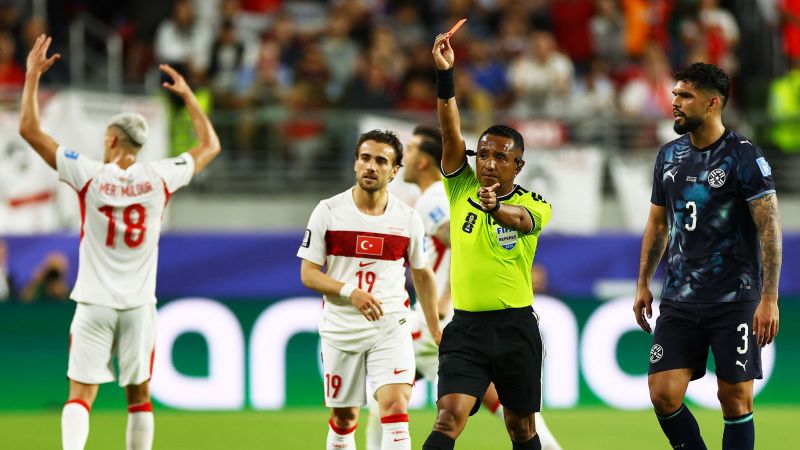
One of the most eye-catching additions is the rule allowing players to be sent off for covering their mouths during confrontations with opponents. This came to light during a dramatic moment in Paraguay’s opening match against Turkey, where midfielder Miguel Almiron received a red card for an action that initially seemed minor. In the first half, Almiron was seen placing his hand over his mouth while exchanging words with Turkey’s Mert Mulder. At first glance, it appeared to be a simple gesture, but the referee, Ivan Barton, deemed it a rule violation. Replays later clarified that Almiron had become the first player to be penalized under this new law, which was introduced to ensure transparency in communication during heated exchanges.
“The purpose of this rule is to prevent players from concealing their intent, whether to insult or challenge an opponent,” FIFA officials emphasized. “It’s about holding individuals accountable for their words, even if they’re not audible.”
Though the incident with Almiron may seem trivial, it highlights FIFA’s broader effort to enforce clarity in on-field interactions. The rule was inspired by a Champions League match in February, where Real Madrid’s Vinícius Júnior accused Benfica’s Gianluca Prestianni of using racial language during a confrontation. Prestianni had covered his mouth while speaking to the attacker, leaving fans and analysts uncertain about the exact nature of his remarks. This ambiguity led FIFA to adopt the new regulation, hoping to eliminate confusion and ensure that players cannot hide their verbal actions from the referee’s view.
Other notable changes include time-wasting measures for goal kicks and throw-ins. Under the updated guidelines, referees will now enforce a five-second countdown to limit delays. If a player exceeds this time during a throw-in, possession automatically shifts to the opposing team. Similarly, for goal kicks, the team defending the goal will receive a corner if the kick is not completed within the allowed timeframe. These adjustments are intended to maintain the rhythm of the game and reduce unnecessary stoppages, a common frustration for fans during high-stakes matches.
Spain and Norway: Stories Behind the Rules
While the rules are a central topic, the action on the field continues to shape the tournament’s narrative. Spain, for instance, faces a critical test today as it attempts to rebound from a surprising 0-0 draw against Cape Verde—a nation making its World Cup debut. Despite controlling 74% of the ball and recording 27 shots on goal, Spain’s offense was stymied by a resilient Cape Verde defense and veteran goalkeeper Vozinha. The team’s head coach, Luis de la Fuente, remains confident, citing past resilience. In the 2022 World Cup, Argentina had faced a similar setback in its opening match against Saudi Arabia, losing 2-1 before going on to win the title. This history suggests that Spain may yet find its footing as the tournament progresses.
Meanwhile, Norway’s squad includes a new father, a poignant detail added to the context of the game. The emotional element of Father’s Day adds a layer of humanity to the competition, reminding fans that behind the fierce competition lies the personal stories of those playing. This sentiment is reinforced by the broader narrative of the tournament, which balances tactical innovation with emotional stakes.
VAR’s Expanded Powers and the Road Ahead
The role of the Video Assistant Referee (VAR) has also been expanded, granting referees additional tools to correct errors. One of the new powers allows VAR to overturn incorrectly awarded corner kicks, ensuring that decisions are made with greater accuracy. This change addresses previous criticisms of VAR’s performance, where incorrect calls could significantly alter the course of a match. By integrating these enhancements, FIFA aims to reduce controversial moments and provide a more fair and consistent officiating experience.
However, the complexity of these rules means that some confusion is inevitable. For example, the five-second countdowns for throw-ins and goal kicks are being tested in real-time scenarios, with teams adapting their strategies accordingly. Analysts have already noted that players are becoming more mindful of their actions, particularly during set pieces, as the consequences of hesitation grow clearer. This shift underscores the growing importance of precision in modern soccer, where every second can make a difference.
As the tournament unfolds, the interplay between these new rules and on-field dynamics will be fascinating to watch. The USA’s upcoming group match, set for 12 p.m. ET at Atlanta Stadium (Mercedes-Benz Stadium), promises to be a key event. From CNN’s Emile Nuh, the focus remains on Spain’s quest for momentum, with the nation’s young star, Lamine Yamal, eager to make an impact. His performance in the opening draw against Cape Verde has already drawn attention, and fans will be watching closely to see how he adapts to the new regulations and the challenges of the World Cup stage.
Other groups are also witnessing intriguing developments. Saudi Arabia, for example, has been a surprise contender in Group H, sitting atop the standings after a series of strong performances. However, their progress may be tested today, as Uruguay’s Maxi Araújo secured a late equalizer in the previous round, salvaging a point for his team. The pressure on Saudi Arabia to maintain their momentum is evident, and their ability to adapt will be crucial in the weeks ahead.
These rule changes, though seemingly small, reflect FIFA’s ongoing commitment to evolving the game. By introducing measures that prioritize transparency and efficiency, the organization aims to address contemporary concerns while maintaining the spirit of competition. As teams navigate these new guidelines, the World Cup will continue to be a showcase of both skill and strategy, with the rules acting as an invisible force shaping every decision on the pitch.
With the tournament in full swing, the combination of fresh regulations and high-stakes matches ensures that the 2026 World Cup will be a defining chapter in soccer history. Whether it’s the impact of a red card for a mouth-covering gesture or the strategic implications of a five-second countdown, these changes are set to influence the way the game is played and perceived. As fans follow the action, they’ll also be reflecting on how these rules are being tested in real-time, adding another dimension to the beauty of the sport.