
Folarin Balogun’s red card will be hotly debated, but it revealed something about the USA that can’t be taken away
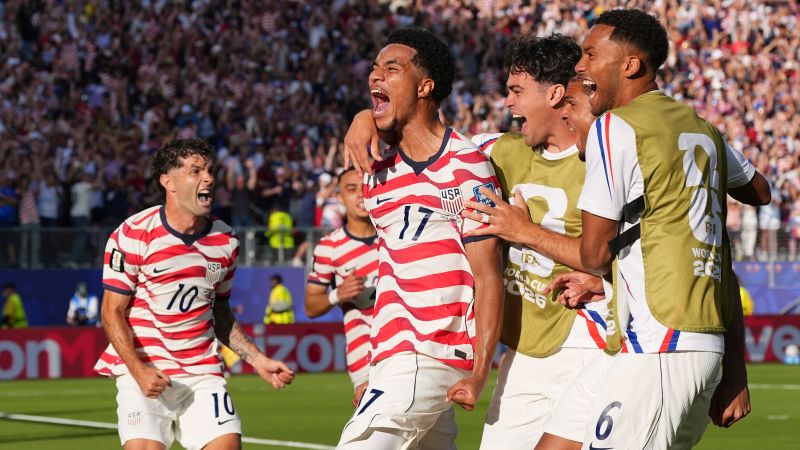
Folarin Balogun’s Red Card Sparks Debate, but U.S. Soccer’s Resilience Shines
Folarin Balogun s red card will – Folarin Balogun’s red card during the U.S. men’s soccer team’s Round of 32 clash against Bosnia and Herzegovina has ignited fierce discussion. The 2-0 win at Levi’s Stadium, a pivotal moment in the World Cup, showcased the team’s adaptability despite the setback. While the controversial dismissal of Balogun remains a topic of debate, it underscored a shift in the squad’s mindset and performance, revealing strengths that cannot be easily dismissed.
A Controversial Call That Split Opinions
Folarin Balogun’s red card came after a challenge on Tarik Muharemovic in the first half. The action, which led to a goal for Bosnia, was deemed dangerous by VAR, prompting Balogun’s ejection. Fans and analysts were divided, with some arguing the call was fair and others questioning its timing. The referee, Raphael Claus, cited Balogun’s aggressive movement as justification, though replays suggested the contact was incidental.
Despite the red card, the U.S. team’s composure under pressure became a defining trait. With a man down, they faced a 35-minute challenge from Bosnia, yet held firm in defense. The back line, often criticized for inconsistency, executed crucial tackles to stifle the opponent’s momentum. This defensive resilience, paired with clinical finishing, turned a potential disadvantage into a decisive victory, proving the team’s growth beyond mere technical skill.
A Test of Resilience: The U.S. Emerges Stronger
Folarin Balogun’s red card served as a catalyst for the U.S. team’s performance. The dismissal forced players to rely on tactical discipline, a quality that had previously been lacking. Midfielder Weston McKennie emerged as a key leader, directing the team’s strategy with precision. His ability to transition between defense and attack highlighted the squad’s maturity, a stark contrast to past World Cup exits marked by last-minute collapses.
Christian Pulisic’s contributions were equally vital, maintaining the U.S. offensive threat despite the red card. The young forward’s ability to read the game and capitalize on opportunities demonstrated his evolution as a player. Meanwhile, the team’s collective effort to stay focused under pressure showcased a new level of mental toughness. “We knew we had to stay composed,” said defender Chris Richards, emphasizing the squad’s readiness to overcome challenges.
Malik Tillman’s 82nd-minute goal, awarded from a free-kick after a challenge by Stjepan Radeljic, became a symbol of the team’s ability to thrive in adversity. The precise execution of the set piece, a rare moment of brilliance, underscored the importance of preparation. “This goal was a testament to our work,” noted Tillman, highlighting how the red card incident tested their resolve and ultimately strengthened their unity.
A Shift in Mindset: Beyond the Red Card
The red card incident may have initially caused concern, but it ultimately reinforced the U.S. team’s adaptability. Coaches emphasized the importance of maintaining focus, a lesson learned from previous tournament exits. The team’s ability to adjust quickly, even with a player removed, demonstrated a newfound cohesion. “We didn’t panic because we knew the plan,” said coach Gregg Berhalter, reflecting on the strategy that carried them to victory.
Folarin Balogun’s red card also brought attention to the team’s depth. With multiple defenders and midfielders stepping up to fill the void, the U.S. displayed a bench that could match the intensity of the starting lineup. This depth, combined with the players’ mental fortitude, allowed them to outlast Bosnia’s late attacks. The performance marked a turning point, as the team’s resilience became a key factor in their World Cup campaign.
As the U.S. moves forward, the debate over Balogun’s red card will continue. However, the broader implications of the match—particularly the team’s ability to remain calm and focused—cannot be overlooked. The red card may have been a defining moment, but it also revealed a squad capable of overcoming setbacks and delivering under pressure. This evolution is a critical step in the team’s journey toward international success.
