
Indiana man charged after being accused of stalking WNBA player Sophie Cunningham
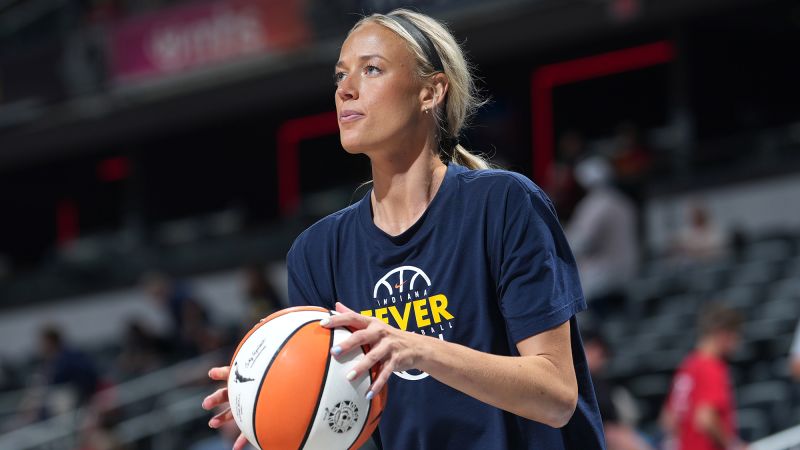
Indiana Man Charged in Stalking Case Involving WNBA Player Sophie Cunningham
Indiana man charged after being accused – A 48-year-old man from Indiana has been indicted on Wednesday for allegedly engaging in stalking behavior toward WNBA player Sophie Cunningham, along with sending her explicit and threatening messages through social media platforms. Kevin Singh, who is currently under probation in Hendricks County, faces felony charges of stalking and intimidation, as well as a misdemeanor harassment count. The arrest took place on Tuesday, as reported by the Marion County Prosecutor’s Office, which confirmed the charges were brought forward after an investigation into Singh’s conduct.
Online Harassment and Its Impact on Cunningham
Sophie Cunningham, a member of the Indiana Fever, has described the psychological toll of Singh’s persistent online behavior in an affidavit submitted by the prosecutor’s office. According to her statement, she began experiencing increased anxiety and sleep disturbances in February 2026, when she first became aware of Singh’s alleged conduct. The situation intensified in April, as his messages grew more menacing and explicit, particularly on the platform X. The affidavit details how Singh’s actions escalated after he was contacted by team security, leading to a series of troubling interactions that left Cunningham feeling vulnerable and targeted.
One of the messages, which included the phrase “You’re literally down the street from me!” was highlighted in the official report as a particularly alarming instance. This comment, paired with other explicit content, suggests a deliberate attempt to assert control over Cunningham’s personal space and public image. The team’s intervention in February prompted Singh to shift his focus toward more direct and threatening communication, culminating in the delivery of a physical package to the Indiana Fever’s home arena in September 2025.
Details of the Package Incident
The package, hand-delivered to Gainbridge Fieldhouse in September 2025, was addressed to “Sophie” and contained a letter, a Guns N’ Roses T-shirt, and a men’s cologne spray. The items were chosen with apparent significance, as the T-shirt and cologne were reportedly meant to symbolize a connection between Singh and Cunningham. The affiant noted that the package’s delivery was a culmination of Singh’s efforts to maintain contact with the athlete, even after his online activities had drawn attention from team officials.
Cunningham’s team had previously sent Singh a cease-and-desist letter on April 30, which failed to deter his behavior. In the days following, Singh allegedly posted additional messages on X that combined explicit content with threats, further escalating the situation. The combination of physical and digital actions underscores the severity of the alleged conduct, which has led to formal legal proceedings against Singh.
Prosecutor’s Statement on the Case
“The internet has made it easier than ever to target, harass and intimidate others. Threats of violence, whether face-to-face or behind a keyboard, will be taken seriously,” said Marion County Prosecutor Ryan Mears in a recent statement. Mears emphasized that the victim’s decision to speak out is a critical step in addressing such incidents, noting that “coming forward is never easy, regardless of a person’s position or public profile.”
The prosecutor’s remarks reflect a broader effort to highlight the growing role of social media in modern stalking cases. Mears also pointed out that Cunningham’s public status as a professional athlete did not shield her from the emotional and psychological effects of harassment, underscoring the importance of accountability for perpetrators regardless of their access to platforms.
While Singh’s actions have been documented in the affidavit, the details of his current legal representation remain unclear. A phone call to the number listed for Singh was unanswered, and it is yet to be determined whether he has retained an attorney. His prior guilty plea in July 2025 to two felony counts of invasion of privacy adds context to his criminal history, suggesting a pattern of behavior that has led to multiple charges over time.
Broader Context of Stalking in the WNBA
This case is part of a larger narrative of stalking incidents involving WNBA players, with recent attention drawn to the experiences of teammates. Earlier this year, Caitlin Clark, a prominent WNBA star, was the victim of stalking by a man from Texas. That individual was sentenced to 2.5 years in prison following a trial, illustrating the seriousness with which such cases are being handled. The similarity in the situations raises questions about the vulnerability of athletes to personal attacks, even in the public spotlight.
While Clark’s case was resolved with a criminal conviction, Cunningham’s ongoing ordeal highlights the challenges of addressing stalking in the digital age. The connection between Singh’s behavior and the team’s response demonstrates how institutions are increasingly taking proactive steps to protect their players. However, the fact that Singh was able to continue his harassment despite these efforts underscores the need for stricter measures to prevent such incidents.
Public Reaction and Implications
Reactions to the case have been mixed, with some applauding the team’s transparency in addressing the issue and others calling for greater awareness of stalking behaviors in sports. Social media has become a focal point of discussion, with fans and critics analyzing Singh’s messages for their intent and impact. The incident has sparked conversations about the responsibilities of athletes to report harassment and the role of social media platforms in monitoring and responding to threats.
Cunningham’s decision to come forward has been praised as a courageous act, setting a precedent for other athletes who may experience similar challenges. Her story serves as a reminder that stalking is not limited to physical proximity but can also manifest through digital channels, often with far-reaching consequences. The case also highlights the importance of timely intervention, as the team’s efforts to issue a cease-and-desist letter were crucial in prompting legal action.
As the trial progresses, the focus will likely shift to determining the extent of Singh’s actions and their impact on Cunningham. The legal proceedings will also examine whether his previous probation violations played a role in the current charges. Meanwhile, the WNBA and its players continue to navigate the complexities of fame, where public attention can sometimes amplify personal threats. This case serves as a stark example of how the intersection of sport and social media can create new avenues for harassment, requiring vigilance and swift action from both individuals and institutions.
With the possibility of probation being revoked or additional sentences imposed, the case remains a focal point for discussions on accountability and the psychological effects of stalking. The community is watching closely, as the outcome may influence how similar cases are handled in the future. For now, Sophie Cunningham’s experience stands as a testament to the power of voice and the ongoing struggle against online harassment in the sports world.
