‘Who are we cheering for?’ Iranian Americans face their most complicated World Cup

Who Are We Cheering For? Iranian Americans Navigating a Divided World Cup
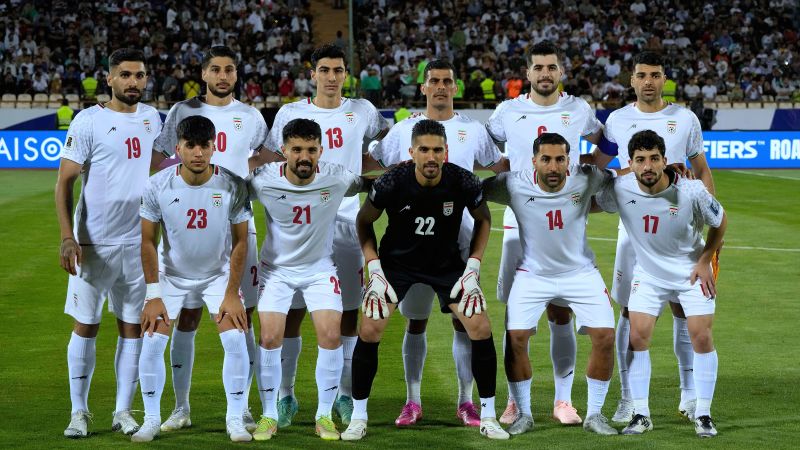
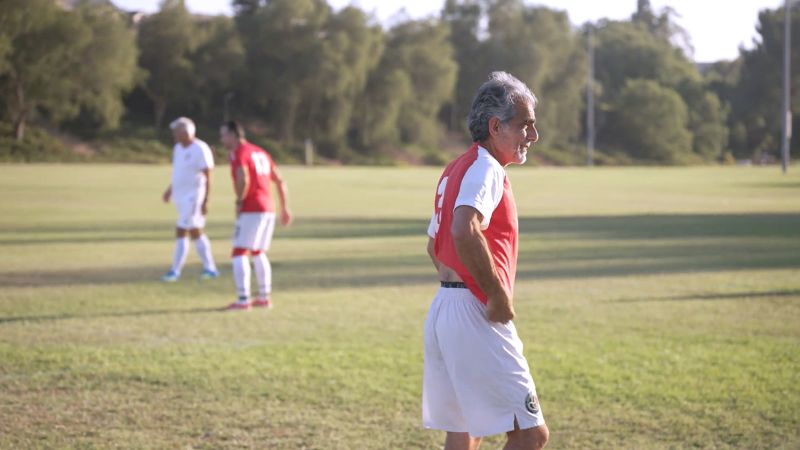
Who are we cheering for Iranian – As the World Cup kicks off in the United States, Iranian Americans find themselves in a precarious position. The question of allegiance has never been more complex: “Who are we cheering for?” This dilemma is amplified by the fact that Iran, one of the competing nations, is at war with the host country. Iranian players on the national team, set to compete in SoFi Stadium, carry a flag that represents both pride and political division. Meanwhile, in Moorpark, the Arya Football Club—a team of Iranian and Iranian American athletes—prepares for a friendly match, sporting a different version of the flag that symbolizes pre-revolutionary identity and resistance. The contrast highlights the tension between cultural heritage and contemporary geopolitics.
A Flag of Contrasting Meanings
The national flag of Iran, with its Islamic emblem and the Arabic slogan “Allahu’ Akbar,” is a focal point of debate. While it represents the country’s official identity, many Iranian Americans opt for the Sun and Lion flag, which evokes a more secular past. This choice is not merely aesthetic but deeply symbolic. For diaspora supporters, the Sun and Lion flag embodies a connection to their roots and a critique of the current regime. However, the FIFA rule prohibiting political paraphernalia in stadiums has heightened tensions, with fans now debating whether to display their preferred flag during matches.
“The Sun and Lion flag is part of who we are,” said Ramin Ghashghaei, a 61-year-old defender with Arya FC. “It’s a reminder of our culture before everything changed. But FIFA’s rules make it hard to express that identity without being labeled political.”
Conflict in the Crucible of Sport
The ongoing U.S.-Iran conflict casts a long shadow over the tournament. The assassination of Supreme Leader Ali Khamenei in February 2026 reignited hostilities, creating a backdrop of division. In neighborhoods like Westwood, known as “Tehrangeles,” some Iranian Americans have rallied behind the U.S., chanting support for leaders like Donald Trump and Benjamin Netanyahu. Yet, others remain conflicted, questioning whether the war’s escalation will lead to long-term change or deepen their ties to Iran’s political landscape.
Despite the fervor, the World Cup remains a unifying force. For many Iranian Americans, it’s an opportunity to celebrate their heritage while navigating the complexities of modern identity. The team’s performance, whether on the field or in the stands, becomes a microcosm of their dual loyalties—rooted in culture, yet influenced by politics.
The Dilemma of Allegiance
Some Iranian Americans choose to boycott the national team, viewing it as a political instrument. Ramin Ghashghaei, who leads the Arya FC, plans to skip all matches, arguing that the team’s selection process reflects favoritism and ideological control. “Who are we cheering for? If the team is aligned with the regime, it feels like we’re endorsing their narrative,” he remarked. Others, like Nader Adeli, the 65-year-old captain of the club, defend the national team as a cultural ambassador, emphasizing its role in preserving traditions.
“Soccer is a shared language,” Adeli said. “It brings families together, and that’s what matters most. But when the flag becomes a political statement, it challenges our sense of belonging.” This duality—celebrating heritage while confronting political implications—defines the experience of Iranian Americans during the tournament.
Voices of the Diaspora
Omeed Askary, a 26-year-old attorney in New York, sees the World Cup as a platform for cultural expression. “Who are we cheering for? It’s not just about the team; it’s about the values we represent,” he noted. His perspective underscores the broader struggle within the community: balancing loyalty to their homeland with the realities of life in the West.
As the matches unfold, the question of identity becomes increasingly personal. Whether in the stands or on the field, Iranian Americans are reminded that their love for the game is intertwined with the broader narrative of their nation’s history. The World Cup, in this context, is not just a sporting event—it’s a mirror reflecting the complexities of their dual heritage.