Pickle is the pumpkin spice of summer

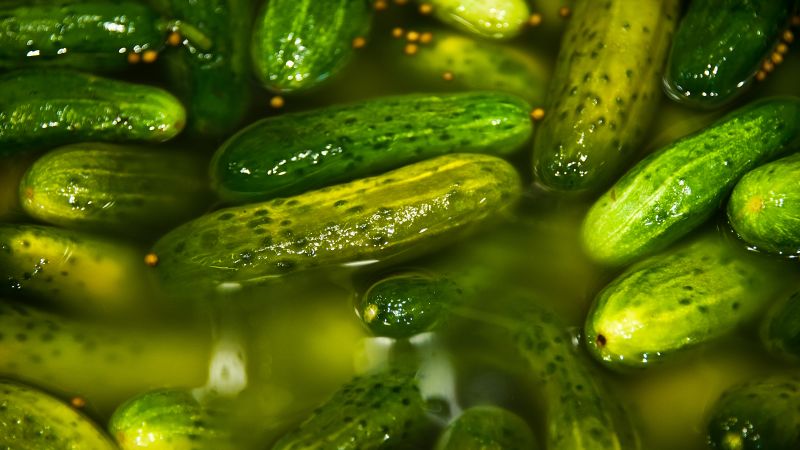
Pickle is the pumpkin spice of summer
Pickle is the pumpkin spice of summer – For decades, pickles have been a familiar staple in American kitchens, often relegated to the background as a complementary flavor. Whether nestled beside deli sandwiches in wax paper or quietly added to hot dogs, their presence was predictable. Yet, in recent years, this once-unspectacular ingredient has undergone a dramatic transformation. Today, pickles are no longer just a condiment—they’ve become a full-fledged flavor trend, dominating summer menus in ways that echo the seasonal popularity of pumpkin spice in fall. This shift has turned the humble pickle into a cultural phenomenon, redefining its role in the culinary world.
A Flavor Revolution in the Making
The past decade has seen a revival of interest in pickles, transforming them from a humble side dish into a defining flavor of the season. From lagers infused with pickle essence to rice dishes marinated in dill pickle seasoning, the ingredient has found its way into unexpected places. Even more bizarrely, there are now products like pickle-flavored potato chips, ice pops with a sour-salty twist, and canned Spam that mimics the taste of a sweet holiday pie. This phenomenon has given rise to what some call a “pickle renaissance,” a movement that has rebranded the vegetable as a central element of summer flavor.
“What was once a ‘boring sidekick’ is ‘now the main character,’” said Andrea Hernandez, a food trend forecaster and the author of the Snaxshot newsletter. “It’s not something that just feels gimmicky—it’s a major unlock for a category that has been sleepy for a while.”
Hernandez’s insight underscores a broader trend: pickles are no longer just a snack or a topping. They’ve become a versatile flavor that bridges the gap between savory and sweet, appealing to a wide range of palates. This versatility is evident in the growing array of products, from probiotic supplements to salty, zingy cocktails, where pickle juice is used not just as a condiment but as a key ingredient. The demand for these items has skyrocketed, with brands now offering everything from artisanal pickles in distinctive flavors to packaged snacks that mimic the tangy profile of traditional dill.
From Condiment to Cult Classic
Unlike pumpkin spice, which has become a cliché associated with fall, pickles are still perceived as fresh and novel. While the latter is often viewed as a predictable seasonal staple, the former carries an aura of authenticity and innovation. This distinction has allowed pickles to maintain a sense of exclusivity, even as their presence in the food world expands. Whether it’s a cold pickle lager at a barbecue or a bag of neon-hued potato chips with a briny crunch, the trend seems to thrive on its perceived uniqueness.
The transformation of pickles into a summer symbol has been organic, rather than manufactured. Unlike the bacon boom, which was driven by strategic marketing campaigns by the pork industry, the rise of pickle-centric products has been more grassroots. Consumers have embraced the idea of pickles as a flavor, not just an item. This shift has been particularly notable among younger generations, who have redefined how the ingredient is used and appreciated.
Generational Flavor Shifts
The pickle phenomenon has different roots for different age groups. Millennials, for example, were instrumental in elevating pickles from a basic condiment to a trendy food item. They began purchasing artisanal pickles at farmers markets, where the process of pickling was seen as a fun, hands-on activity. This interest was even mocked in shows like *Portlandia*, which portrayed pickling as a hipsterish pursuit. However, for Gen Z, the trend took a different path. Many of them discovered pickles through the lens of sensory deprivation during the pandemic, seeking extreme taste experiences to compensate for the monotony of lockdown living.
“Gen Z’s love for pickles started from inside the house,” Hernandez explained. “During the pandemic, Zoomers were ‘deprived sensorially,’ and they turned to content that pushed taste combinations to new extremes.” This includes viral TikTok videos featuring people daring to consume the spiciest or sourest foods, which normalized the idea of a pickle-flavored Warhead or a sweet-and-sour ice pop. The result is a generation that is not only adventurous in its food choices but also more willing to embrace flavors that challenge traditional expectations.
Industry Adaptation and Innovation
The popularity of pickles has not gone unnoticed by the food industry. Major brands like Frito-Lay have started to recognize the trend, with some companies launching their own lines of pickle-infused snacks. Trader Joe’s, for instance, capitalized on the craze with private-label offerings that cater to the growing demand. While these big brands have been slower to respond, their eventual entry has only fueled the trend further.
Meanwhile, smaller brands have thrived by offering niche products that appeal to a diverse audience. Artisanal pickles now come in flavors like honey harissa or purple grape, creating a market that is as creative as it is lucrative. The packaging has also evolved, with neat pouches and bottles designed for convenience and appeal. For example, Oh Snap! pouches of baby dills are marketed as a healthier alternative to traditional snacks, combining the benefits of fermented food with modern portability.
Consumers are no longer limited to the traditional pickling process. Brands have taken the concept of pickle flavor to new heights, creating products like pickle-electrolyte powders and even pickle-branded probiotic supplements. These innovations highlight how the ingredient has become a symbol of health, wellness, and bold flavor experimentation. Whether it’s for its probiotic properties or its ability to enhance taste, the appeal of pickles has transcended their original purpose.
The Cultural Impact of Pickle Mania
As the trend continues, it’s clear that pickles have more than just a passing appeal. Their resurgence is a reflection of changing consumer preferences and a broader cultural shift toward embracing bold, unexpected flavors. This has created a new category of products that cater to a variety of tastes, from the sweet to the sour. As a result, pickles are no longer just a side dish—they’re a flavor that defines the season, much like pumpkin spice does for fall.
Hernandez noted that the pickle movement is not just a temporary fad but a lasting change in how Americans perceive food. “It’s not something that just feels gimmicky—it’s a major unlock for a category that has been sleepy for a while,” she said. This sentiment is echoed by many in the industry, who see the trend as a natural evolution rather than a manufactured one. While some may question whether the “health halo” around pickles is genuine, the market’s response suggests that consumers are buying into the idea, regardless of the specifics.