
Exclusive: Lebanese president accuses Iran of using his country as a bargaining chip in peace talks with the US
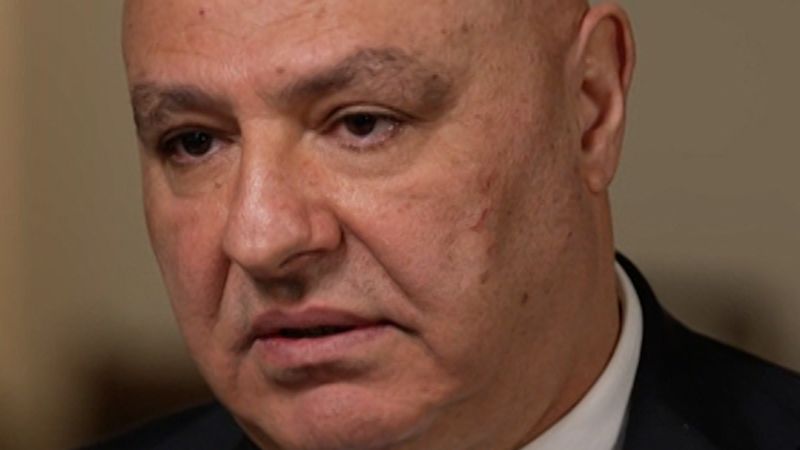
Exclusive: Lebanon’s President Accuses Iran of Exploiting Country in Peace Talks with the US
Exclusive – Lebanese President Joseph Aoun has sharply criticized Iran for positioning his nation as a strategic bargaining chip in negotiations with the United States, stating that the people of Lebanon are increasingly weary of the war’s relentless impact. During an exclusive interview with CNN’s Christiane Amanpour, Aoun emphasized Lebanon’s need for autonomy and peace, despite the ongoing entanglements with Hezbollah and Israel. “We are tired of being caught in the crossfire,” he said, highlighting the urgency for an end to the conflict that has persisted for decades.
The Struggle for Lebanese Sovereignty
Exclusive analysis reveals that Aoun’s frustration stems from Iran’s persistent influence over Lebanon’s political landscape. He accused the Islamic Revolutionary Guard Corps (IRGC) of manipulating the country’s fate to serve its own interests, a strategy that has led to repeated cycles of violence. “The people of Lebanon are paying the price for your gains,” Aoun stated, underscoring the human cost of Iran’s calculated approach. This sentiment aligns with growing public discontent, as citizens demand a resolution to the crisis that has disrupted daily life and livelihoods.
“This is not your country—it’s our country,” Aoun remarked, directly targeting Iran’s role in Lebanon’s affairs. “You are not helping us; you are using us as a pawn in your own interests.”
His remarks reflect a deepening mistrust between the Lebanese populace and the political forces that have kept the conflict alive. With over 3,500 casualties and nearly one-fifth of the population displaced, Aoun argues that Lebanon’s sovereignty is under threat, and the peace process must prioritize the nation’s needs over external agendas.
Peace Efforts Amid Regional Tensions
The exclusive interview also touched on the precarious state of Lebanon’s ceasefire efforts. Aoun acknowledged that the agreement between Iran and the US in April remains fragile, with Hezbollah’s actions complicating its success. “Iran has tied peace to Israel’s withdrawal from Lebanese territory,” he explained, revealing that the conflict’s trajectory is now heavily dependent on the adversaries’ concessions. This dynamic has left Lebanon’s leaders in a difficult position, balancing diplomacy with the demands of its own citizens.
Exclusive reports indicate that Aoun is pushing for a more direct approach to disarming Hezbollah. As the former army chief, he has witnessed firsthand the devastation caused by the group’s military campaigns, including the destruction of homes and infrastructure in southern Lebanon. “Negotiations are the only way forward,” he asserted, challenging both Hezbollah and Israel to commit to peace. His strategy aims to break the cycle of violence, offering a rare opportunity for a lasting resolution.
Hezbollah’s Resistance and Domestic Divide
Despite Aoun’s calls for peace, Hezbollah has resisted, framing its military presence as essential to protecting Lebanon from Israeli aggression. Exclusive interviews with the group’s leader, Naim Qassem, reveal a defensive stance, with the militant group dismissing recent agreements as a form of surrender. “The people of Lebanon have rejected the truce,” Qassem stated, highlighting the political divide that continues to fracture the nation. Aoun, however, noted that even Hezbollah’s core supporters, the Shiite community, are beginning to question the group’s long-term strategy.
Exclusive insights from the interview suggest that Aoun is determined to secure Lebanon’s independence through diplomacy. His emphasis on dialogue reflects a shift from past approaches, as he seeks to unite various factions in the pursuit of peace. “This is a moment for negotiation, not confrontation,” he said, urging both Israel and Hezbollah to recognize the shared stakes in ending the war. With the country on the brink of further instability, his commitment to a diplomatic path offers hope for a new beginning.
