A rare collection of Chinese cheongsams tells a story of personal style and cultural connection in 20th-century America

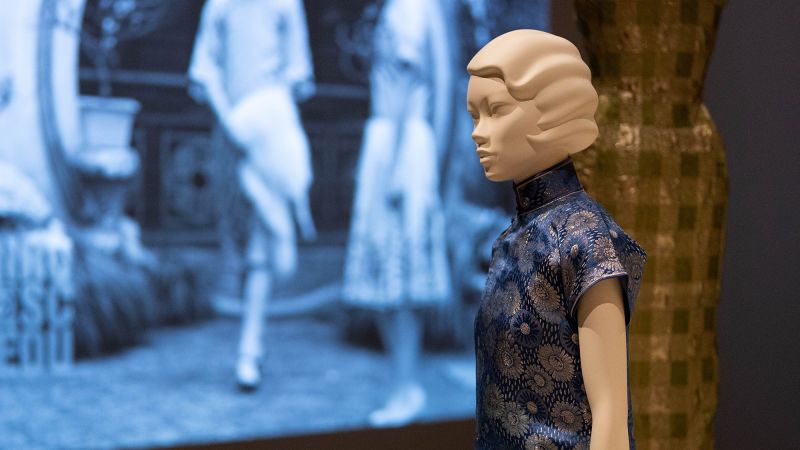
Rare Chinese Cheongsam Collection Reveals 20th-Century Women’s Style and Cultural Shifts
A Unique Fusion of Heritage and American Influence
A rare collection of Chinese cheongsams, now on display at the Los Angeles County Museum of Art (LACMA), offers a vivid portrayal of how traditional attire evolved in the American context. The exhibition *Fashioning Chinese Women: Empire to Modernity* features over 70 garments, including a standout piece crafted by Susan Mah, a trailblazing Chinese American. This cheongsam, with its Mandarin collar, short sleeves, and tight silhouette, diverges from classic designs by using lime green fabric adorned with Mayan-inspired motifs. This blend of cultures highlights Mah’s individuality as she embraced both her heritage and the bold aesthetics of her new home in California.
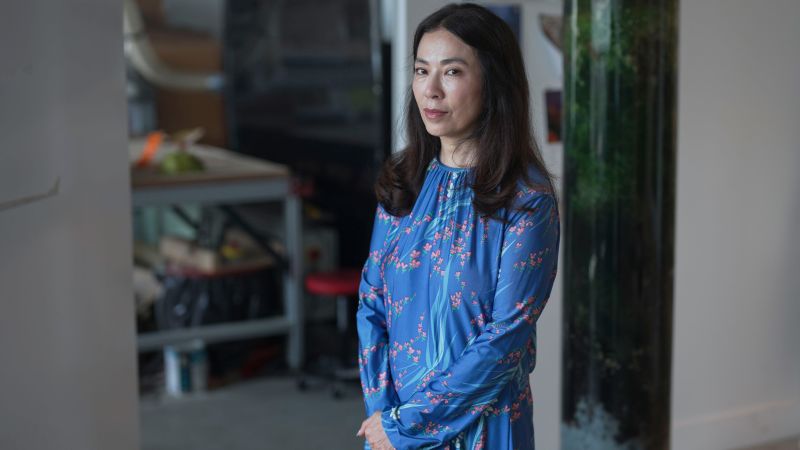
“If she had stayed in China, she might have worn more conservative styles,” reflects her daughter-in-law, Chere Lai Mah, who has studied her late mother-in-law’s wardrobe extensively. “But in Fresno, she wanted to stand out, drawing inspiration from Hollywood icons like Irene Dunne and Barbara Stanwyck.”
Cultural Narratives Woven into Every Seam
Susan Mah, who arrived in the U.S. from Hong Kong in 1938 during the Japanese invasion, faced economic hardship early in her life. Yet, her determination to thrive led her to create a unique sartorial identity. As a mother of 12 children and a vital member of her family’s record business, she balanced familial duties with creative expression. Her cheongsams, often incorporating polka dots, clowns, and roses, symbolized her playful yet deliberate approach to merging Chinese traditions with American sensibilities.
The LACMA collection, donated in 2022 by Lai Mah, includes not only Mah’s own designs but also garments from her mother, Li Zhang Huifang, a cherished friend. This curation underscores the intergenerational continuity of Chinese women’s fashion and how personal stories became embedded in every stitch. “These pieces capture a transformative era,” says guest curator Michaela Hansen. “They reflect both the cultural roots of the immigrants and the shifting social norms in 20th-century America.”
Susan’s choice to bring her clothes to the U.S. was both practical and symbolic. Financial stability by her mid-30s allowed her to transport her wardrobe across the Pacific, a rarity for many migrants. The Bay Area’s temperate climate played a role in preserving the garments, as Lai Mah notes: “The weather here is perfect, so the clothes stayed in great condition without fancy storage.” This serendipity ensured the survival of a rare Chinese collection that now tells a story of resilience and adaptation.
From Girlhood to Matriarch: A Story of Style Evolution
As Susan Mah transitioned from a young immigrant to a matriarch, her cheongsams evolved alongside her. Early pieces were modest, reflecting the constraints of her life in China, while later designs showcased her growing confidence in the U.S. The collection includes a turquoise cheongsam with gold motifs, which Lai Mah credits with sparking her own artistic journey. “It was a gift that inspired my sculptures,” she says, highlighting how Susan’s creativity influenced her family across generations.
The exhibition’s significance lies in its ability to connect historical fashion with personal identity. While most Chinese collections in Western museums focus on Qing dynasty courtwear or modern designers, this rare Chinese collection captures the lived experiences of immigrant women. “It’s not just about clothing; it’s about the stories these garments carry,” explains Hansen. “Each piece reveals how cultural traditions adapted to new environments and individual expressions of freedom.”
Susan’s legacy extends beyond the museum walls. Her daughter-in-law recalls how she gave her fur coat to another family member, who transformed it into a lap blanket. “That might have been the moment she realized her pieces could be passed down,” Lai Mah says. These acts of gifting and reimagining underscore the enduring cultural impact of a rare Chinese collection that celebrates both tradition and reinvention.