
Nike’s ‘mind-altering’ shoes are flying off shelves. Is this the era of ‘passive neuro-wearables’?
Nike’s Mind Shoes Revolutionize Wellness: The Rise of Passive Neuro-Wearables
Nike s mind altering shoes are flying – For years, Nike has positioned itself as a leader in athletic performance, crafting footwear designed to enhance speed, endurance, and style. This year, the brand has taken a bold turn, introducing a line of shoes that claim to alter not just movement, but mindset. Dubbed the Mind range, these innovative products have captivated global audiences since their January debut, with rapid sellouts across multiple releases. Unlike traditional athletic shoes, Nike’s Mind line focuses on mental engagement, marking a significant step into the realm of “neuroscience-based footwear.” This shift aligns with the growing trend of wearable technologies that prioritize wellness over mere physical function.
The Science of Sensory Optimization
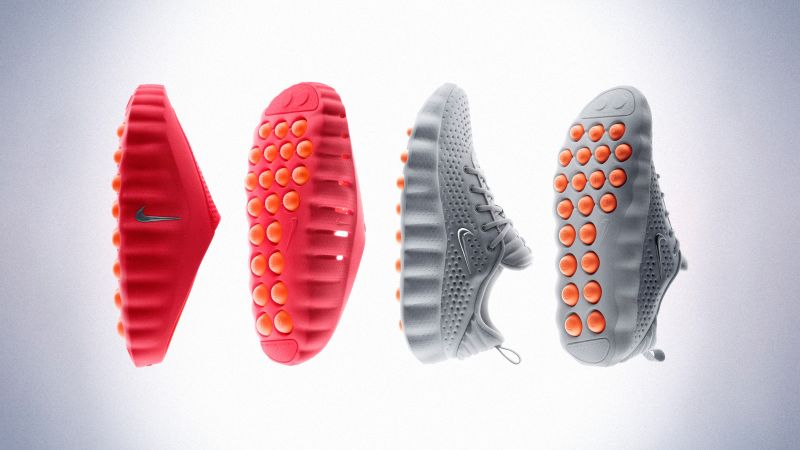
Nike’s Mind shoes are engineered with a unique combination of materials and textures aimed at stimulating sensory nerves on the foot. Central to this design is a specialized foam structure featuring 22 independent nodes on the sole, which mimic the motion of pistons when the wearer steps. These nodes are said to activate mechanoreceptors—sensory neurons responsible for detecting pressure, texture, and balance. The company asserts that this tactile feedback helps shift focus from mental distractions to a state of “relaxed alertness,” as described by Graeme Moffat, principal researcher at Nike’s Sport Research Lab. While the science is promising, Nike has yet to publish peer-reviewed studies to validate these claims.
“Nike Mind opens the door to a whole new category of sensory-optimized footwear. We’re trying to help you really engage with new sensory experiences, focus on your intention, and get out of your head,” Moffat said in a press release.
A Global Shift in Wellness Trends
As the market for smart devices continues to expand, Nike is redefining the boundaries of wearable technology. Its Mind shoes represent a departure from the typical reliance on electronic sensors, instead using physical innovations in apparel to promote wellness. This approach aligns with a broader movement toward “wearable wellness,” where brands like Cean and Coperni are experimenting with materials that offer physiological benefits. For instance, Cean introduced a specialized fabric in 2025 designed to simulate a “lymphatic massage” through compression wear, while Coperni’s “regenerating” garments are said to release probiotics and prebiotics for skincare. Meanwhile, companies like Naboso incorporate textured insoles and socks that target balance and posture through sensory stimulation.
Mass Appeal and Resale Frenzy
Nike’s Mind shoes have not only captured the attention of fitness enthusiasts but also sparked a surge in secondary market demand. Available in mule and sneaker styles, with both men’s and women’s versions, the shoes are marketed as tools to improve focus and reduce mental fatigue. Despite being intended for pre- and post-competition use rather than during exercise, their popularity has not wavered. At $95 for mules and $145 for sneakers, the initial launch saw over two million customers sign up for restock alerts within hours of the release. Resale platforms like StockX have since reported listings for the Light Smoke Grey mules, which were named Nike’s top-selling shoe on the platform—a testament to their cultural and functional significance.
From Ancient Practices to Modern Innovation
Dr. Ishara Dharmasena, a professor of smart textiles and wearable technologies at Loughborough University, sees Nike’s Mind shoes as a modern interpretation of age-old wellness traditions. He draws parallels between the foam nodes’ stimulation of mechanoreceptors and Ayurvedic practices such as Pada Abhyanga, a foot massage technique believed to reduce stress and promote relaxation. Dharmasena explains that the concept of using tactile input to influence mental states is not new, but Nike’s integration of neuroscience into footwear represents a scientific leap. “The theory of the foam nodes firing up mechanoreceptors is similar to meditation, where the mind is encouraged to observe internal sensations,” he noted.
Challenges and Future Potential
While Nike’s Mind shoes have generated excitement, questions remain about their effectiveness. Critics argue that the idea of shoes significantly altering mental states may be overhyped, especially without peer-reviewed evidence. However, proponents highlight the potential of passive neuro-wearables to offer subtle, non-intrusive benefits that complement existing wellness routines. As the market for sensory-optimized products grows, brands are increasingly exploring how physical touch can influence cognitive function. Nike’s success in this space suggests that the future of wearables may lie not in digital screens and sensors, but in the quiet power of tactile design.
Market Dynamics and Consumer Behavior
The rapid adoption of Nike’s Mind shoes reflects a broader consumer interest in products that combine aesthetics with functionality. Unlike smartwatches or fitness trackers, which require constant interaction, these shoes operate as passive tools, designed to be worn seamlessly into daily life. This characteristic aligns with the brand’s strategic move to cater to a wider audience, including those seeking mental clarity without the burden of tech accessories. The resale frenzy on platforms like StockX also underscores the cultural value of the product, with some buyers willing to pay premium prices for a sense of exclusivity or novelty. As the market evolves, it remains to be seen whether Nike’s approach will become a standard in the wellness industry or merely a niche experiment.
With the Mind range, Nike is not just selling shoes—it’s selling a new paradigm for how we think about physical and mental well-being. The brand’s ability to merge cutting-edge science with everyday wearability has positioned it as a pioneer in the field of passive neuro-wearables. As research continues and more brands enter this space, the line between fashion and function may blur further, redefining what it means to wear technology in the 21st century.
