A 30-year wait for justice in Tupac’s killing ends with a murder conviction in under 3 hours

Daftar Isi
After Three Decades of Silence, a Jury Delivers Verdict in Tupac Shakur’s Murder
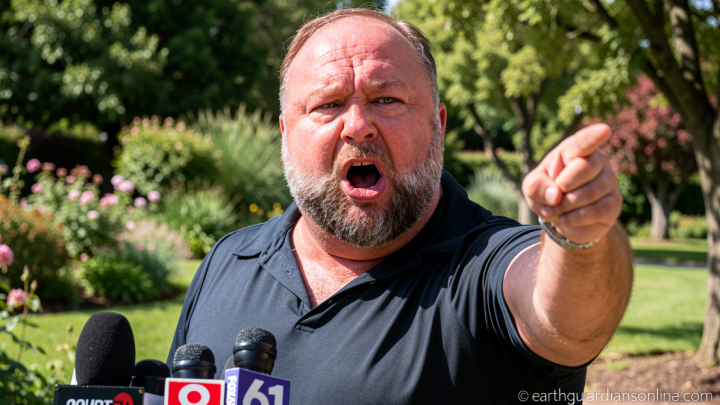
Earthguardiansonline.com – A unanimous panel of twelve Clark County, Nevada residents returned a first-degree murder conviction against Duane “Keffe D” Davis in under three hours — a span of time shorter than the closing arguments alone had consumed. The verdict, delivered in a downtown Las Vegas courthouse on Monday, marks the first time anyone has been found legally responsible for the drive-by shooting that killed rapper Tupac Amaru Shakur in September 1996. Nearly thirty years had passed between the crime and this moment, a gap long enough to breed conspiracy theories, fuel endless speculation, and leave the singer’s family without closure.
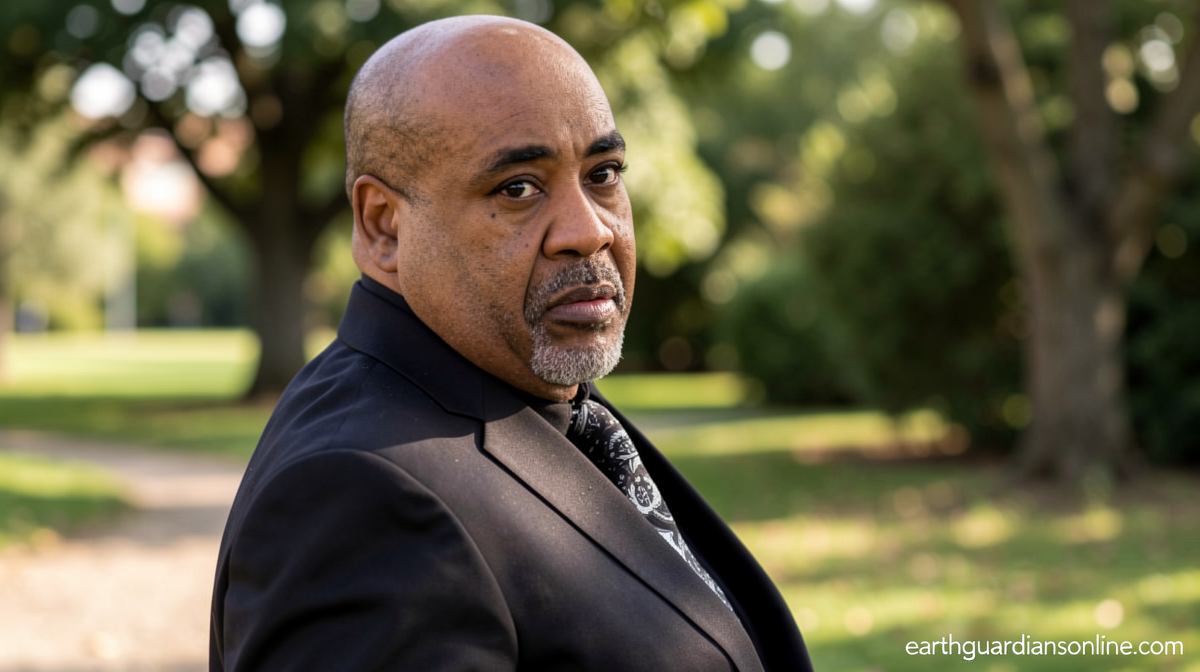
Davis, now 63, had spent recent years positioning himself as a kind of self-appointed authority on the circumstances surrounding Shakur’s death. He authored a 2019 memoir titled Compton Street Legend, in which he described sitting in the passenger seat beside the gunman in Las Vegas that night and declared the killing justified. As the court clerk read the verdict aloud, Davis remained expressionless. Yet as he departed the courtroom, he raised a fist and asked the judge to allow an appeal — a gesture suggesting the decades-long pursuit of accountability may not yet have reached its final chapter.
The Trial’s Central Question: Credibility
Over four weeks of proceedings, the prosecution built its case largely on circumstantial evidence and, most critically, on Davis’ own words. Statements he made to police over the years, combined with passages from his memoir, placed him at the scene and cast him as the orchestrator rather than the triggerman. Prosecutors contended that Davis did not pull the trigger but functioned as the “shot caller,” directing the ambush as payback for an earlier assault on his nephew, Orlando “Baby Lane” Anderson, a member of the South Side Compton Crips.
Chief Deputy District Attorney Binu Palal framed the memoir’s commercial success as a pointed indictment during his closing argument on Monday, arguing that Davis had effectively been “profiting off a murder” by packaging his alleged role in the killing into a bestseller.
Defense Strategy and Evidentiary Gaps
Davis’ attorney, Michael Sanft, attacked his client’s reliability head-on, portraying the memoir as a product of fame-seeking rather than truth-telling. Sanft pointed to contradictions across Davis’ various statements over the years and highlighted institutional corruption within the Compton Police Department, which was ultimately disbanded in 2000. He also seized on the conspicuous absence of direct physical evidence: no murder weapon was ever recovered, and no DNA or fingerprint evidence connected Davis to the crime scene. At one point in argument, Sanft floated the possibility that his client might not even have been in Nevada on the night Shakur was shot.
Two figures who could have offered testimony — Marion “Suge” Knight, the Death Row Records executive who was driving the vehicle Shakur occupied when bullets struck, and Sean “Diddy” Combs — never took the stand, despite Knight’s name appearing on the state’s list of prospective witnesses.
Family Reaction and the Weight of the Moment
When the verdict was read, Shakur’s relatives erupted in tightly held emotion. His sister, Sekyiwa “Set” Shakur, wept quietly. Other family members clasped hands and embraced one another. Across the courtroom, Davis’ son, Duane Davis Jr., pressed a hand to his face.
“The family of Tupac Amaru Shakur is elated and relieved by today’s verdict,” the family said in a statement released Monday through their attorney. “We would like to thank the jury for thoughtfully fulfilling their duty and carefully listening to all the evidence.”
Geography, Timing, and Symbolic Resonance
The courthouse where the verdict was delivered sits fewer than seven miles from the stretch of Las Vegas road where Shakur was shot and less than two miles from the hospital where he lingered on life support for several days before dying. The jury reached its decision exactly two weeks before the 30th anniversary of the rapper’s death. The youngest juror, at 21 years old, had been born roughly a decade after the shooting — meaning no member of the panel had any personal memory of the event they were asked to adjudicate.
Background: The Feud Behind the Bullets
Shakur, who had become an international superstar celebrated for lyrics steeped in political and social commentary, was shot multiple times while riding in a vehicle with Knight through downtown Las Vegas. One bullet destroyed his lung. Earlier that same day, Shakur and his entourage had attacked Anderson in the lobby of the MGM Grand casino — a confrontation captured on hotel surveillance cameras and itself a retaliation for a prior altercation. That day-to-day escalation was the visible tip of a deeper conflict: long-running territorial and personal tensions between the Crips and the Mob Piru, a Compton-based set within the Bloods gang that maintained certain connections to Death Row Records. Anderson, Davis’ nephew, had long been suspected of firing the fatal shots, though no one was ever formally charged until now.
What Comes Next
Davis is being held without bail. His sentencing is scheduled for October 13. Under Nevada law for first-degree murder, he faces the possibility of spending the remainder of his life behind bars with no prospect of parole. Whether he appeals — as he signaled he intends to do — will determine whether this verdict stands as the final word on a case that consumed three decades of public attention, or merely the latest chapter in a story that, for Shakur’s family and fans worldwide, has been waiting far too long to close.
Related Reading
Frequently Asked Questions
What is A 30 year wait for justice?
A 30 year wait for justice is the main topic of this guide. The article explains the context, practical details, and next steps readers should understand.
Why does A 30 year wait for justice matter?
A 30 year wait for justice matters because readers are looking for a useful answer, not just a short summary. Good content should match search intent and help them decide what to do next.