
A 6-year-old shot his teacher in class. Now the school’s former assistant principal is on trial
A 6-Year-Old Student Shot His Teacher in Class, Leading to Trial of Former School Official
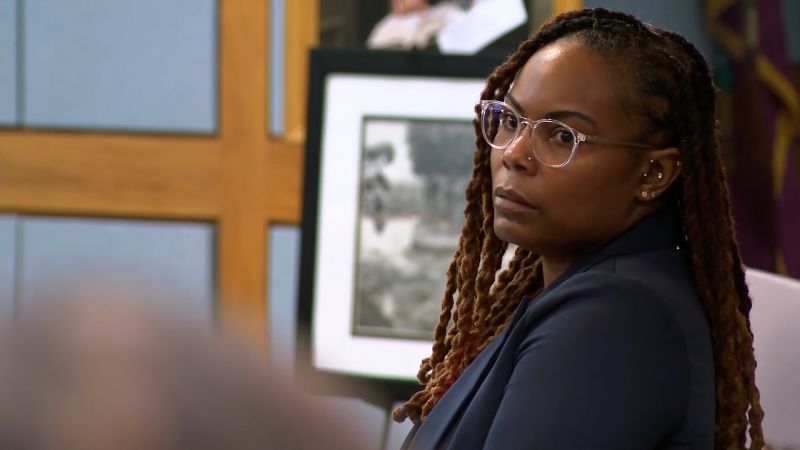
A 6 year old shot his teacher – Three years after a 6-year-old boy fired a gun at his teacher during a classroom session, a former Virginia school administrator is facing criminal charges in a case that has drawn national attention. Ebony Parker, the assistant principal of Richneck Elementary in Newport News, is on trial for felony child abuse, accused of failing to act on multiple warnings about the student’s possession of a weapon. The trial began Monday, marking a critical moment in the legal examination of accountability following a school shooting by a juvenile.
The Shooting: A Tragic Classroom Moment
The incident occurred on January 6, 2023, when the young boy, who had earlier taken a gun from his mother’s purse, brought it to school and opened fire. The weapon, unsecured and easily accessible, was discovered in his backpack. Teacher Abby Zwerner was shot in the chest and hand, but she survived the attack. The boy’s mother, Deja Taylor, was later convicted of felony child neglect and served a two-year state prison sentence, alongside a 21-month federal term. She was released into community supervision on May 13, according to the Virginia Department of Corrections.
Zwerner’s physical and emotional injuries have been central to both the civil and criminal proceedings. She described the traumatic experience during her testimony, stating that the moment the boy aimed at her, she believed she was “on my way to heaven or in heaven.” The impact of the shooting has left her with lasting effects, including difficulty opening a bottle of water and a sense of numbness around others. A psychiatrist testified that Zwerner developed post-traumatic stress disorder after the event, underscoring the psychological toll of the incident.
Felony Charges: A Reckless Omission?
Prosecutors allege that Parker’s actions were a “willful act or omission in the care of such students,” with court documents highlighting her “gross, wanton, and culpable” behavior as evidence of a reckless disregard for human life. The charges include eight counts of felony child abuse, one for each bullet fired by the student. Each count is classified as a class 6 felony, carrying a potential prison sentence of up to five years. Parker has pleaded not guilty, maintaining that the shooting was unforeseeable.
The trial, expected to last approximately three days, has seen the start of jury selection and opening statements. The prosecution plans to call Zwerner to the stand, aiming to present her firsthand account of the attack. Meanwhile, Parker’s defense argues that the shooting was not predictable, emphasizing that it was a “tragedy that, until that day, was unprecedented.” Attorney Sandra Douglas urged jurors to consider the unforeseen nature of the event, stating, “I ask that you please not compound that tragedy by blaming Dr. Parker for it.”
A Civil Case That Preceded the Criminal Trial
Before the criminal proceedings, a civil jury awarded Zwerner $10 million in November 2024, citing Parker’s failure to address concerns about the student’s gun. The civil case served as a precursor to the criminal trial, with plaintiffs arguing that Parker neglected her duty to investigate the reports. Zwerner’s testimony in that trial provided a detailed account of the moment she was shot, including her fear of death and the lasting trauma she endured.
Parker has appealed the civil verdict, but the case has already shaped the arguments in the criminal trial. Her attorneys contend that the shooting was a result of circumstances beyond her control, while prosecutors emphasize the importance of proactive measures. The civil trial’s outcome, which highlighted Parker’s alleged negligence, is now being scrutinized in the context of her criminal case.
Testimonies That Shaped the Legal Debate
“A gun changes everything. You stop and you investigate. You get to the bottom of it to know whether that gun is real and on campus.”
This statement from Zwerner’s attorney, Kevin Biniazan, encapsulates the core of the prosecution’s case. He argued that Parker’s duty was to thoroughly examine the reports of the student’s gun, including searching the backpack and checking the boy’s pockets. The defense, however, countered with the testimony of an expert in education administration and school safety, claiming Parker did not breach professional standards.
Zwerner’s account of the shooting has been pivotal in both trials. She described the boy’s “blank look” as he pointed the gun at her, a moment she still recalls vividly. Her testimony not only detailed the physical injuries but also conveyed the emotional aftermath, painting a picture of a teacher who felt her life was in danger. The civil trial’s focus on her trauma has now been carried into the criminal proceedings, where the jury will weigh her testimony against Parker’s defense.
A Broader Pattern in School Shooting Accountability
The case against Parker is part of a growing trend in legal cases surrounding school shootings. Parents in Michigan and Georgia have faced serious charges for their children’s actions, but this is the first time an educator has been put on trial for such an incident. The trial has sparked discussions about the responsibilities of school staff in preventing tragedies, especially when warnings are ignored or dismissed.
Following the shooting, several school officials were removed from their positions. Parker resigned two weeks after the incident, the principal was reassigned, and the school board voted to replace the superintendent. These decisions reflect the high stakes of the case and the pressure on school leadership to ensure student safety. The trial now stands as a test of whether Parker’s role in the incident was sufficient to warrant criminal charges.
As the trial progresses, the jury will determine whether Parker’s actions were negligent or if the situation was simply too unpredictable. The case has also raised questions about the legal boundaries of responsibility in school shootings, highlighting the need for clear protocols and swift responses to potential threats. For Zwerner, the trial represents an opportunity to seek justice for the trauma she endured, while for Parker, it is a chance to defend her role in the school system against allegations of gross negligence.
With the civil and criminal cases intertwined, the outcome of Parker’s trial could set a precedent for future cases involving school shootings by juveniles. The testimony of Zwerner, combined with the evidence from the civil case, will be central to the prosecution’s narrative. Meanwhile, the defense will rely on arguments about the unforeseeability of the event and the lack of direct evidence linking Parker to the shooting.
As the trial unfolds, it underscores the complexities of holding educators accountable in high-profile incidents. The case is not just about one school’s response to a gun in the classroom, but about the broader implications of safety protocols and the responsibilities of those in charge of student well-being. Whether Parker is found guilty or not, the trial has already brought significant attention to the issue of school safety and the legal consequences of failing to act on warnings.
