
Drone, artillery attacks kill civilians on both sides of Russia-Ukraine border
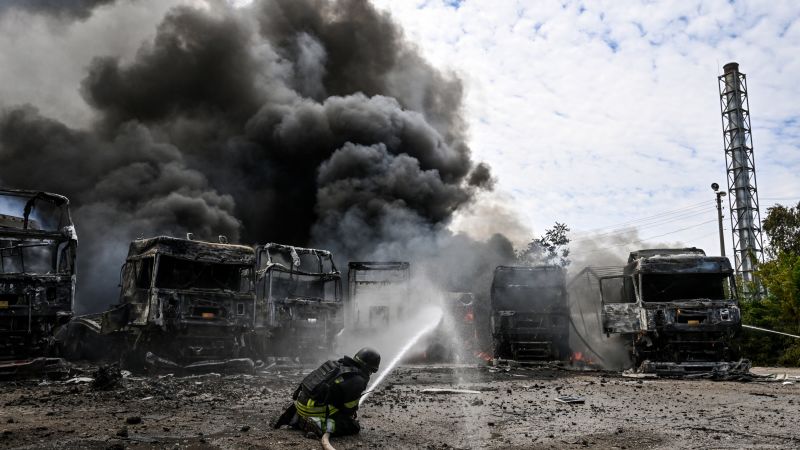
Drone Artillery Attacks Kill Civilians Near Russia-Ukraine Border
Drone artillery attacks kill civilians on both – Cross-border drone artillery attacks have claimed civilian lives on both sides of the Russia-Ukraine border, intensifying the conflict’s toll on everyday people. On Saturday, a surge in strikes led to multiple casualties, with reports from local authorities confirming the incidents. The attacks, which have become increasingly frequent, highlight the precarious situation in areas where the two nations’ forces are in close proximity. As both sides continue their military operations, the risk of collateral damage remains high, drawing international attention to the human cost of the ongoing war.
Ukrainian Drone Strike in Bryansk Region
A significant incident unfolded in the Bryansk region, where a Ukrainian drone strike targeted a village near the Russia-Ukraine border. Acting Governor Yegor Kovalchuk confirmed the attack killed two individuals in a vehicle, underscoring the reach of Ukrainian airpower into Russian territory. This strike added to the growing list of civilian casualties, as Ukrainian forces test Russian defenses and expand their operational scope. The event also raised concerns about the safety of residents in border zones, where cross-border attacks are becoming more common.
“A Ukrainian drone strike killed two people in their car in a village near the border,” said Yegor Kovalchuk, acting governor of Bryansk, in a Telegram post. The attack, occurring in a residential area, marked yet another instance of escalating violence that has strained local communities. Kovalchuk’s statement emphasized the need for improved protective measures, as the border region faces persistent threats from aerial and ground assaults.
Russian Defenses and Drone Activity
Moscow has been actively countering the influx of Ukrainian drones, with reports indicating 124 were downed over Russian territories in a single day. The Russian Defense Ministry highlighted the effectiveness of its air defenses in neutralizing these threats, though the impact on civilian infrastructure was undeniable. Meanwhile, Moscow Mayor Sergei Sobyanin noted that 24 drones were intercepted in the morning, demonstrating the capital’s preparedness for potential strikes. These defensive efforts are part of a broader strategy to mitigate the damage caused by drone artillery attacks kill civilians.
“Ukrainian drones heading for the capital are being intercepted,” stated Moscow Mayor Sergei Sobyanin, reflecting the city’s heightened alert. The mayor’s comments illustrated the coordination between military and civilian authorities to safeguard key areas from drone artillery attacks kill civilians. Despite the success of interception efforts, the frequency of such attacks has prompted fears of prolonged conflict and increased civilian losses.
As the war drags on, the balance between military necessity and civilian safety grows more fragile. The drone artillery attacks kill civilians have not only tested the resilience of border communities but also underscored the need for better targeting strategies. Analysts suggest that the conflict’s scale and intensity are likely to continue, with both sides employing cross-border strikes as part of their broader objectives. The humanitarian impact of these attacks is expected to remain a focal point for global observers and diplomats.
Civilian Toll in Ukraine
In Ukraine, the southeastern Dnipropetrovsk Region reported casualties from drone strikes and artillery fire near Nikopol. Governor Oleksandr Ganzha noted that over 40 attacks had resulted in one death and one injury, emphasizing the area’s vulnerability. Nikopol’s strategic position, close to the Zaporizhzhia nuclear power plant, has made it a target for Ukrainian forces aiming to disrupt Russian supply lines. The consistent presence of drone artillery attacks kill civilians in such locations underscores the dual role of the conflict as a military and humanitarian crisis.
“More than 40 drone strikes and artillery fire had killed one person and injured one near Nikopol,” stated Oleksandr Ganzha, the governor of Dnipropetrovsk. His remarks drew attention to the increasing frequency of such attacks, which have forced local populations into a state of constant alert. The town’s proximity to critical infrastructure has elevated its significance, making it a focal point for both sides in the ongoing war.
With drone artillery attacks kill civilians becoming a regular occurrence, the humanitarian situation in the region continues to deteriorate. Officials from both sides acknowledge the need for accountability and measures to minimize harm to non-combatants. The cross-border nature of these strikes complicates efforts to provide immediate aid and protection, as resources must be allocated to areas on both sides of the border. The cycle of attacks appears unlikely to break soon, as the conflict evolves into a more integrated form of warfare.
