
Trump says he’ll nominate former Oklahoma state trooper Lance Schroyer as ICE director
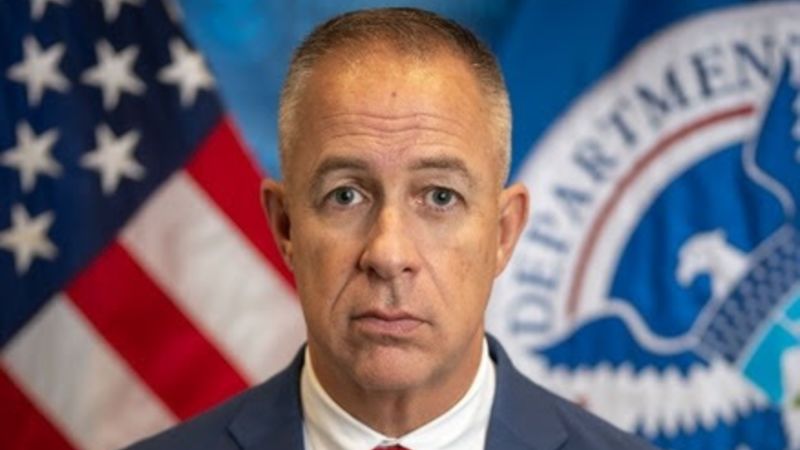
Trump to Nominate Oklahoma Trooper for ICE Director Role
Trump says he ll nominate former – President Donald Trump has announced his intention to appoint Lance Schroyer, a retired Oklahoma state trooper, as the next director of Immigration and Customs Enforcement (ICE). The decision positions Schroyer, a relatively unknown figure in national politics, to oversee an agency with over 22,000 employees and a budget surpassing billions of dollars. Trump’s selection reflects his continued emphasis on strict immigration enforcement, though Schroyer’s background may signal a shift in the agency’s strategic direction. His name, which has not yet gained widespread recognition, now enters the spotlight as he prepares to take on a pivotal role in shaping ICE’s policies and operations.
Background of the Nominee
Lance Schroyer’s career is rooted in law enforcement, where he served as a major in Oklahoma’s Emergency Services Unit. His experience includes managing teams during critical incidents such as civil unrest and disaster response. Before joining public service, Schroyer spent years in the U.S. Marine Corps, where he developed operational leadership skills. While his role as a senior adviser to Secretary Markwayne Mullin has provided insight into federal immigration coordination, it is his hands-on fieldwork that has drawn attention. The Department of Homeland Security has highlighted his ability to bridge gaps between local and federal agencies, though his readiness for broader leadership remains a topic of discussion.
Trump’s Endorsement and the Confirmation Process
Trump, who has consistently advocated for robust immigration policies, praised Schroyer in a post on Truth Social, stating, “Trump says he ll nominate Lance Schroyer as ICE director to continue the fight against illegal immigration.” The president framed the nomination as a strategic move to reinforce the agency’s focus on deporting undocumented individuals. He emphasized Schroyer’s “proven leadership” and 29 years of experience in both military and civilian roles. The Senate is now expected to act swiftly on the nomination, with Mullin urging speed to ensure the transition aligns with Trump’s agenda.
Secretary of Homeland Security Markwayne Mullin, who took over in March after the resignation of Kirstjen Nielsen, has endorsed Schroyer’s candidacy. “Trump says he ll nominate Lance Schroyer to lead ICE,” Mullin stated in a separate statement, highlighting the nominee’s strong ties to state-level enforcement. Mullin believes Schroyer’s background will strengthen ICE’s partnership with local agencies, a key component of the administration’s immigration strategy. This alignment between Trump and Mullin underscores the political calculation behind the selection, aiming to maintain momentum in the agency’s mission.
ICE’s Current Challenges and Leadership Transition
ICE has faced significant scrutiny in recent years, particularly over its aggressive deportation tactics and high-profile incidents. The agency has been operating under an acting director since the Obama administration, with David Venturella currently in charge. Venturella is likely to remain in the role until Schroyer’s confirmation, ensuring continuity during the transition. Trump’s nomination comes amid ongoing debates about ICE’s methods, including controversies such as the January shootings of two U.S. citizens by federal agents. The new leader will need to navigate these challenges while implementing policies that reflect the administration’s priorities.
Historically, ICE has relied on partnerships with state and local law enforcement, a model that Schroyer is well-versed in. His work with the 287(g) program, which authorizes state officers to assist in immigration enforcement, has been a critical part of his career. Trump says he ll nominate Schroyer to expand this collaborative approach, ensuring that federal priorities are executed efficiently. While Schroyer is new to the federal workforce, his military and law enforcement experience provides a solid foundation for the role. His appointment is seen as a step toward consolidating ICE’s focus on border security and immigration policy enforcement.
Public Reaction and Strategic Implications
The announcement has sparked mixed reactions within the Department of Homeland Security. While some officials appreciate the nominee’s hands-on experience, others question whether his background adequately prepares him for the complexities of federal leadership. Critics argue that Schroyer’s selection may prioritize operational efficiency over policy innovation. However, Trump says he ll nominate a candidate who embodies the agency’s commitment to swift action. Supporters, including Mullin, emphasize Schroyer’s ability to unify ICE’s efforts and maintain a strong, centralized enforcement strategy.
As the nomination moves forward, it will be crucial to assess how Schroyer’s leadership impacts ICE’s public image and operational effectiveness. His transition from state trooper to federal director marks a new chapter for the agency, one that could influence its approach to immigration enforcement in the coming years. With Trump says he ll nominate a figure known for his direct involvement in law enforcement, the focus will remain on maintaining a hardline stance while addressing the challenges of modern immigration policy.
