
From ‘The Wave’ to ‘Ole, Ole, Ole’: Mexico’s World Cup soccer traditions explained
From The Wave to Ole Ole Ole: Mexico’s World Cup Soccer Traditions
The Global Phenomenon of Mexican Fandom
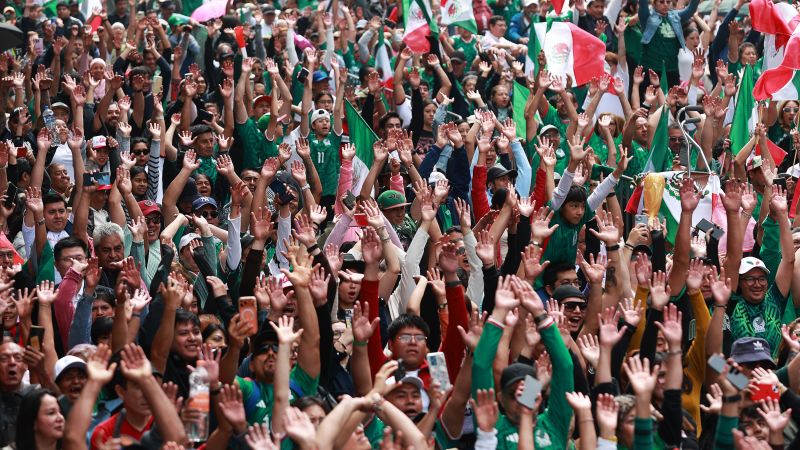
From The Wave to Ole Ole Ole – As the 2026 World Cup kicks off in Mexico, the nation’s soccer culture is set to shine. From The Wave to Ole Ole Ole, Mexico’s traditions have long captivated fans worldwide. This year, the country is preparing to host 13 matches, with the iconic wave becoming a symbol of its fervent support. The event, which set a record for the largest display along Paseo de la Reforma, underscores how deeply the sport is woven into Mexican identity, creating a shared experience that transcends borders.
From The Wave to Ole Ole Ole, the rhythm of Mexican soccer is unmistakable. The wave, a choreographed crowd movement, gained international recognition during the 1986 World Cup. Fans in the stands would rise and fall in unison, creating a wave that traveled through the stadium. This tradition has since evolved, with chants like “Ole, Ole, Ole” adding a vocal layer to the spectacle. These elements, combined with the electric atmosphere, make Mexican stadiums a unique blend of physical and auditory energy.
The Evolution of a Cultural Ritual
From The Wave to Ole Ole Ole, the cultural significance of these practices is rooted in Mexico’s national pride. The wave is not just a display of enthusiasm but a collective expression of unity and passion. Researchers like Fernando Vizcaíno of UNAM argue that the movement embodies Mexico’s spirit, even when no game is in progress. This ritual has become a cornerstone of the World Cup experience, reflecting the country’s deep emotional connection to the sport.
Historically, the wave’s origins are often linked to the United States in the 1970s or 1980s, but it was in Mexico that the practice became a global icon. During the 1986 tournament, the wave’s power was undeniable, transforming stadiums into living, breathing celebrations. Today, From The Wave to Ole Ole Ole, fans in Mexico continue to innovate, adapting their chants and movements to modern contexts while preserving the tradition’s core essence.
The Fusion of Music and Movement
From The Wave to Ole Ole Ole, the interplay of sound and motion defines Mexican soccer culture. Stadiums are not just venues for matches but cacophonous dance clubs where fans use instruments like matracas and cornetas to amplify the energy. These tools, paired with rhythmic chants, create an immersive environment that turns every game into a communal event. The musical backdrop, often featuring banda or grupera, further enhances the atmosphere, making the experience unforgettable.
Despite efforts to curb noise during the 2026 World Cup, From The Wave to Ole Ole Ole, the spirit of Mexican fandom remains undimmed. Fans have found creative ways to maintain their rhythm without instruments, relying on vocal chants to keep the energy high. This adaptability highlights how deeply the traditions are ingrained, ensuring that the sound of the crowd is as integral to the game as the players themselves.
Chants as National Expressions
From The Wave to Ole Ole Ole, the vocal chants in Mexican stadiums reflect both unity and diversity. “Chiquitibum,” a popular chant, has become synonymous with Mexican support, its catchy rhythm echoing through the stands. Yet, not all chants are harmonious. FIFA has addressed instances of offensive lyrics, prompting the federation to promote inclusive messaging. These variations illustrate the complexity of Mexican fandom, where passion can shift from celebration to critique depending on the match’s outcome.
As the World Cup approaches, the fusion of From The Wave to Ole Ole Ole, music, and movement will once again captivate audiences. For many, the experience is more than a game—it’s a cultural celebration that binds fans together. Whether through the visual of the wave or the call-and-response of chants, Mexico’s traditions remind the world of the sport’s ability to unite people in shared emotion and pride.
