
Jury awards $176M for wrongful deaths of young brothers struck by California socialite’s car
A Landmark Verdict in a Tragic Collision
Jury awards 176M for wrongful deaths – Following a prolonged legal battle, a Los Angeles jury has granted $176 million in compensation to the legal representatives of two young brothers who lost their lives in a hit-and-run incident involving a California socialite’s vehicle. The incident, which occurred nearly six years ago, resulted in the deaths of 11-year-old Mark Iskander and 8-year-old Jacob Iskander while they were crossing the street. The verdict, delivered on Wednesday, covers claims of wrongful death and emotional distress, marking a significant moment in the case’s progression.
The Defendants and Their Legal Accountability
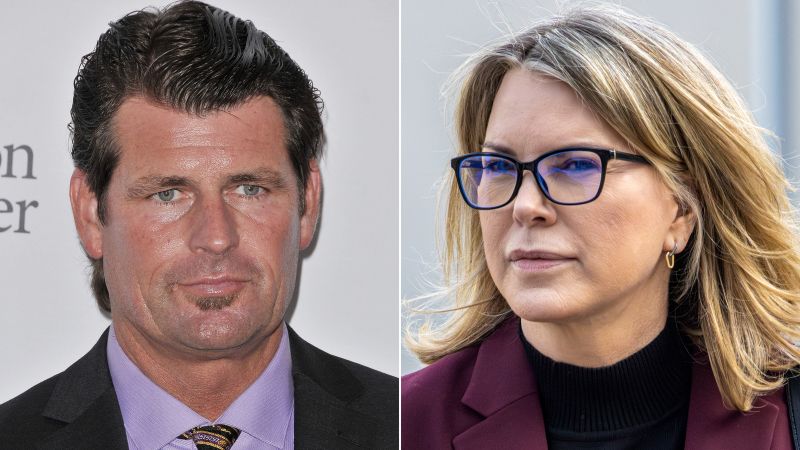
Rebecca Grossman, a prominent socialite, and Scott Erickson, a former Los Angeles Dodgers pitcher, were found legally responsible for the fatalities. The jury determined that both individuals were negligent in their actions, which directly led to the tragic loss of the boys’ lives. Grossman’s case is tied to a prior criminal conviction, where she was sentenced to 15 years to life in prison for second-degree murder, gross vehicular manslaughter, and hit-and-run driving. Erickson, however, is facing civil liability in addition to his criminal charges, which he is contesting in a separate legal proceeding.
The Scene of the Accident and Its Aftermath
The collision took place on the evening of September 29, 2020, in Westlake Village, a city located on the western outskirts of Los Angeles County. The boys were struck by Grossman’s car as they walked across a street, a moment that has since become a focal point in both the criminal and civil trials. According to the court’s timeline, the civil case began in April 2026, following the criminal proceedings that concluded in 2024. The trial is still ongoing, with jurors set to decide whether punitive damages should be awarded to the victims’ family.
The Role of the Attorneys in the Trial
Brian Panish, representing the Iskander family, argued that Grossman and Erickson were both at fault due to their reckless behavior after consuming margaritas together. He emphasized that Grossman was driving at 73 mph on a road with a posted speed limit of 45 mph, a fact he presented as critical evidence. Panish also highlighted how Grossman was following Erickson, who was also speeding and had nearly collided with the family before the fatal accident. In his closing remarks, he stated,
“This was a totally preventable collision. They went out for a walk and they never came home.”
In contrast, Grossman’s attorney, Esther Holm, defended her client by asserting that she was not intoxicated at the time of the incident. Holm claimed Grossman was distracted when she noticed the boys’ mother moving out of the way of Erickson’s vehicle. She stated,
“Ms. Grossman was not driving impaired. She did not see the children, as her attention was diverted by Ms. Iskander.”
Erickson’s legal team, led by Jeff Braun, maintained that the boys’ deaths were a tragedy but stressed that the vehicle he was operating made no direct contact with the children. The defense’s argument centers on the idea that Grossman’s actions were the primary cause of the collision, while Erickson’s role was secondary. This distinction has been a key point of contention during the trial.
The Context of Grossman’s Criminal Case
Grossman’s criminal conviction in 2024 was based on charges of second-degree murder, gross vehicular manslaughter, and hit-and-run driving. She was sentenced to serve 15 years to life in prison after being found guilty in a separate trial. The case has drawn significant public attention, not only because of the severity of the charges but also due to Grossman’s personal background. As a co-founder of the Grossman Burn Foundation, she is married to a well-known burn doctor, a fact that has sparked discussions about the intersection of personal and professional lives in the courtroom.
The Civil Lawsuits and Their Implications
Alongside the criminal case, the boys’ parents filed civil lawsuits against both Grossman and Erickson. These claims were part of a broader effort to seek justice and financial compensation for the families affected. The civil trial, which began in April 2026, has focused on determining the extent of each defendant’s liability. The plaintiffs allege that Grossman’s negligence was compounded by Erickson’s actions, as he was driving ahead of her when the collision occurred. This has led to debates about whether both parties should be held equally accountable or if Grossman’s role as the driver was more pivotal.
Reconstructing the Timeline of Events
The jury’s decision came after weeks of deliberation, during which the court examined the sequence of events leading to the crash. Witnesses testified about the evening of September 29, 2020, when Grossman and Erickson were dating while Grossman’s husband was in the process of separating from her. The couple had been driving together, and their shared actions, including the consumption of alcohol, are believed to have contributed to the accident. The speed at which Grossman was traveling, combined with Erickson’s proximity to the crosswalk, has been central to the plaintiffs’ case.
The Ongoing Legal Process and Future Steps
Although the jury has delivered its initial verdict, the trial is not yet complete. The next phase involves the trial judge determining how the $176 million in damages should be distributed between the defendants. This step is crucial, as it will finalize the financial burden each party must bear. Court proceedings are scheduled to resume on Friday, where jurors will deliberate on the question of punitive damages, which could add further financial penalties to the compensation awarded.
Community Impact and Public Reaction
The tragic incident has left a lasting mark on the community of Westlake Village. Local residents and advocacy groups have expressed support for the victims’ families, highlighting the importance of accountability in such cases. The $176 million award has also sparked discussions about the role of personal responsibility in traffic accidents and the need for stricter enforcement of road safety laws. Meanwhile, the media has closely followed the case, with many outlets focusing on the personal lives of the defendants and the emotional toll of the tragedy on the Iskander family.
Reflections on the Trial’s Significance
As the case unfolds, it serves as a poignant reminder of the consequences of negligence and the legal mechanisms available to seek justice. The jury’s decision not only reflects the severity of the accident but also underscores the importance of proving fault in both criminal and civil proceedings. For the Iskander family, the award represents a step toward closure, though the emotional and financial impact of the loss will remain a part of their lives. The trial’s outcome may also influence future cases involving similar circumstances, setting a precedent for how negligence is assessed in hit-and-run incidents.
Looking Ahead: The Final Determination
With the initial award secured, the focus now shifts to the final stages of the legal process. The trial judge will review the jury’s decision and allocate the damages accordingly, ensuring that both Grossman and Erickson face appropriate consequences for their actions. This phase will also determine whether punitive damages are warranted, potentially adding millions to the total compensation. As the court prepares to resume its sessions, the Iskander family’s hopes for justice remain high, even as the legal battle continues to shape the outcome of their case.
