
How record heat and monumental fireworks could spark miserable air quality for July Fourth
Record Heat and Monumental Fireworks: July 4th Air Quality Concerns
How record heat and monumental fireworks – As the U.S. prepares to celebrate its Independence Day, the combination of record-breaking heat and monumental fireworks displays is raising alarms about deteriorating air quality. With temperatures expected to soar and pyrotechnic events set to expand in scale, the convergence of these factors could lead to hazardous conditions for millions of people. Environmental experts warn that the heat dome intensifying across the country and the massive fireworks shows will compound existing pollutants, creating a dangerous mix for urban areas on the day of celebration.
Heat Domes and Air Pollution: A Dangerous Synergy
Extreme heat is not just a discomfort for July 4th—it’s a catalyst for air pollution. A persistent heat dome is causing stagnant air, trapping harmful particles and gases at ground level. In Washington, DC, temperatures are projected to exceed 102°F, a potential new record for the hottest July 4th. Meanwhile, New York faces its first triple-digit temperatures in a decade, while Philadelphia could tie for its second-highest heat event. These sweltering conditions will elevate ground-level ozone, a pollutant formed when car emissions and sunlight interact, further jeopardizing respiratory health.
The heat’s impact on air quality is undeniable. With over 50 million Americans bracing for 100°F+ weather, the concentration of ozone is likely to rise. Even before fireworks ignite, the heat alone will contribute to poor air conditions, creating a baseline of danger that could be amplified during the celebrations. Urban areas, already burdened by vehicle exhaust and industrial activity, will experience heightened pollution levels as the heat dome persists.
Monumental Fireworks: A Pollutant Powerhouse
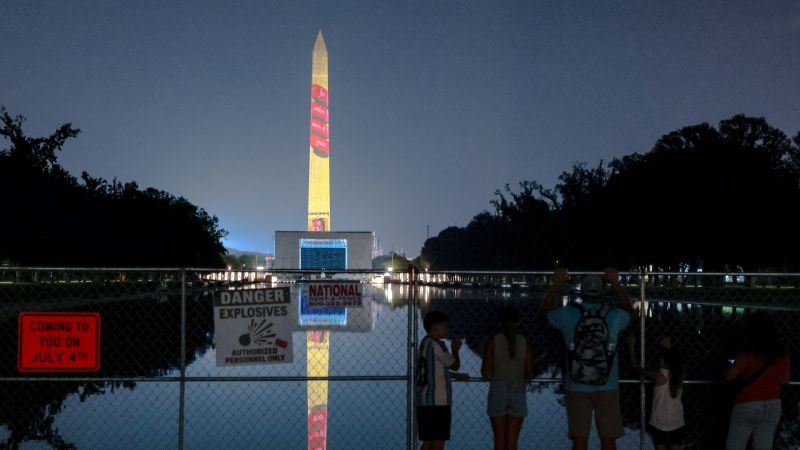
Monumental fireworks displays are set to break previous records, generating significant particulate matter and smoke. These tiny pollutants, known as PM 2.5, can penetrate deep into the lungs and worsen heart and lung diseases. Washington, DC’s event, which will surpass the Guinness World Record with 850,000 fireworks launched in 40 minutes, will release massive amounts of particulate matter. Similarly, cities like Nashville and Boston are planning shows that could exceed past feats, further contributing to atmospheric congestion.
Fireworks are not just visually stunning—they are a major source of air pollution. In the hours after a display, PM 2.5 levels can surge by 42%, as chemicals in the fireworks burn into microscopic particles. This surge will combine with existing emissions, particularly in cities where car traffic and industrial activity are high. San Francisco’s debut fireworks show from the Golden Gate Bridge will add to the pollution, creating a dual threat for residents in the Bay Area.
The scale of these events is unprecedented. With monumental fireworks and record heat converging, air quality could reach critical levels. This is especially concerning for communities already vulnerable to respiratory issues. The combination of heat and smoke will create a challenging environment, with pollutants lingering longer due to reduced wind circulation caused by the heat dome. As the nation gathers to celebrate, the air quality may become a major concern.
Health Risks and Public Awareness
The health implications of this dual threat are serious. Ground-level ozone, exacerbated by record heat, and particulate matter from monumental fireworks can trigger asthma attacks, worsen chronic lung diseases, and even lead to cardiovascular problems. The American Lung Association has urged people to monitor air quality forecasts and limit outdoor activities during peak pollution times. In cities like Washington, DC and New York, where both factors align, the risks are particularly high.
Experts emphasize that the timing of these events will intensify the problem. Some of the most intense fireworks displays will coincide with the hottest days of the year, compounding the effects of pollution. Russell Dickerson, a University of Maryland professor, warned that “the combination of heat and monumental fireworks could make air quality unbearable.” While fireworks are a beloved tradition, their environmental impact is becoming more pronounced as temperatures climb to extreme levels.
