
Turkey blocks American LGBTQ+ cruise from docking, citing ‘moral standards’
Turkey Blocks American LGBTQ+ Cruise from Docking, Citing Moral Standards
Turkey blocks American LGBTQ cruise – On Thursday, Turkish officials made a surprising decision to prohibit an American LGBTQ+ cruise from docking at their ports, citing concerns over “moral standards” and “family values.” The CEO of Atlantis Events, the company organizing the Mediterranean voyage, confirmed the ban, stating it was based on the belief that the cruise’s focus on LGBTQ+ travelers conflicted with the country’s cultural norms. The “Athens to Venice” cruise, originally scheduled to depart from Greece on July 5, 2026, was expected to call at the coastal town of Kuşadası two days later before continuing to Istanbul. However, the Turkish authorities canceled the event, asserting that the ship, chartered by groups associated with “behaviors incompatible with our society’s moral fabric,” would not be allowed to stop in the nation’s ports.
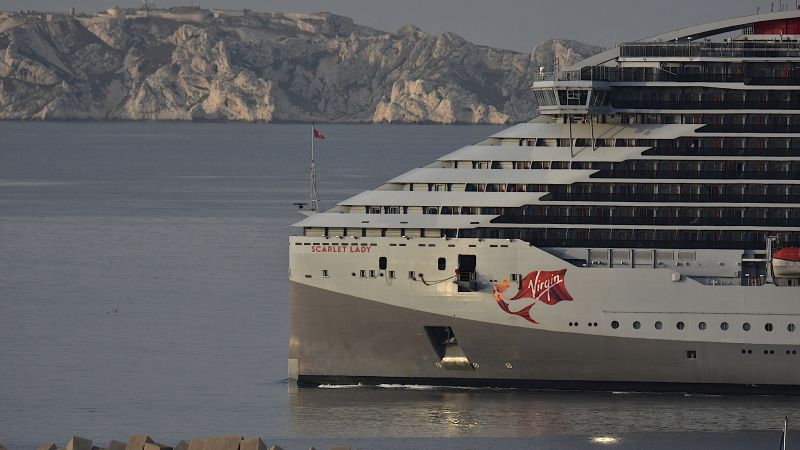
The Scarlet Lady, the cruise’s vessel, is operated by Virgin Voyages, a brand backed by Richard Branson, according to data from MarineTraffic. Atlantis Events announced the change in itinerary to passengers, explaining that the ship would now make stops in Cairo, Egypt, and the Greek island of Crete instead of Turkey. This decision has sparked debate about the treatment of LGBTQ+ travelers in the region and the role of cultural policies in shaping tourism. The cruise was marketed as a 10-day “epic adventure” for guests to explore Mediterranean destinations, with stops in Greece, Croatia, and other European ports. The shift to Cairo and Crete marks a significant change for the company, as it is the first time in 36 years they’ve been told to exclude a country from their route due to the group’s identity.
Turkey’s Aydin province, home to Kuşadası, issued a statement reinforcing the ban, declaring there is “absolutely no possibility” of allowing the group to visit their territory. The move aligns with the broader stance of President Tayyip Erdogan’s AK Party, which has grown increasingly vocal in its opposition to LGBTQ+ rights over the past decade. Since 2015, authorities have consistently restricted Pride marches in Istanbul, often citing security risks and public order as justifications. This latest action adds to the list of measures targeting the community, including recent legislation and public campaigns aimed at reinforcing traditional gender roles.
“It’s pretty stunning, to be honest. I mean, and the reasoning behind it is that it’s a gay group,” Rich Campbell, CEO of Atlantis Events, told CNN. “It’s very concerning to me when a country decides they can pick and choose which tourists are allowed in and which are not.”
Campbell emphasized that the company is not politically motivated, describing their mission as one of fostering cultural exchange and providing leisure experiences. He noted that the cruise’s passengers are diverse, with approximately 1,100 of the 1,900 expected guests hailing from the United States. The remaining travelers come from the United Kingdom, Canada, and Australia, among other nations. “We are not there for anything except to spend money, have a good time, take tours, and be incredibly respectful to every culture we visit,” Campbell added, underscoring the cruise’s intent to celebrate inclusivity while honoring local traditions.
The Atlantis Events team broke the news to passengers via a press release, which stated that the change in ports was due to “circumstances beyond our control.” The cruise’s original route included stops in Istanbul, a city known for its historical and cultural significance, as well as its vibrant LGBTQ+ community. However, the authorities’ refusal to allow the ship to dock has raised questions about the accessibility of Turkey for international travelers. Critics argue that the decision disproportionately affects LGBTQ+ individuals, who often seek to visit the country for its historical sites and cultural attractions.
Meanwhile, a separate incident in Istanbul has drawn attention to the authorities’ stance on LGBTQ+ presence. Officials reported that police raided a local bar after an “Atlantis brochure” was found featuring a party at the establishment. While the brochure was not officially affiliated with Atlantis Events, the incident highlights how public spaces are sometimes targeted for their association with LGBTQ+ activities. This has led to speculation about whether the ban on the cruise is part of a coordinated effort to limit visibility of the community in Turkey.
The impact of the ban extends beyond the immediate logistical changes to the itinerary. For LGBTQ+ travelers, the decision represents a setback in their ability to experience destinations that have historically welcomed them. The Mediterranean, with its blend of history and modernity, has long been a popular spot for such groups, offering a mix of sun-drenched beaches and culturally rich cities. By blocking the Scarlet Lady’s docking, Turkey has effectively excluded a large contingent of American LGBTQ+ visitors, raising concerns about the growing influence of conservative policies on tourism and international relations.
Campbell expressed disappointment over the reversal, stating that the company had planned the trip with meticulous care. “This is not just about a single event—it’s about the message being sent to the global LGBTQ+ community,” he said. “If a country can deny access to a group based on their identity, what does that mean for other nations with similar values?” The CEO also highlighted the economic implications, noting that the cruise would have brought significant revenue to Turkish ports and supported local businesses. With the change to Cairo and Crete, the focus has shifted to alternative destinations that still welcome LGBTQ+ travelers.
As the cruise prepares to depart, the situation underscores the challenges faced by LGBTQ+ tourism in regions where traditional values are prioritized over inclusivity. The ban on the Scarlet Lady has ignited discussions about the balance between cultural preservation and the rights of travelers. While Turkey’s authorities maintain that the decision aligns with their moral standards, critics argue that it reflects a broader pattern of discrimination against the LGBTQ+ community. The Atlantis Events team remains hopeful that future cruises can navigate these challenges, but for now, the focus is on adapting to the new itinerary and ensuring the journey remains an unforgettable experience for all passengers.
