Iran-backed rebels capture Red Sea port, tightening grip on a key global chokepoint

Iran-Backed Rebels Capture Red Sea Port of Mocha
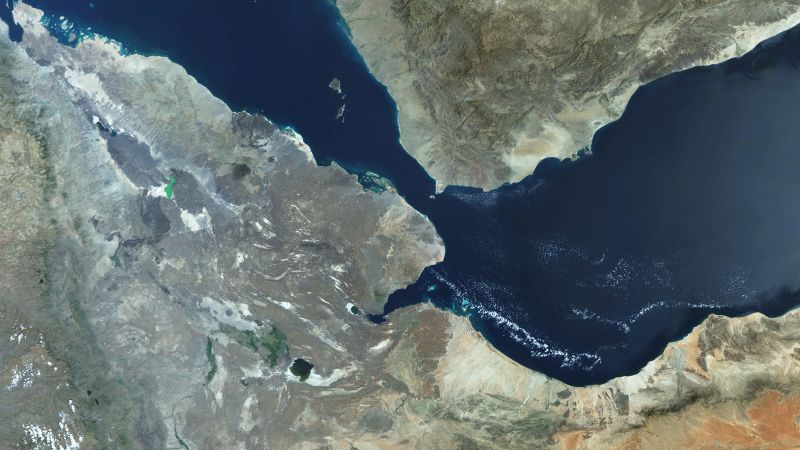
Earthguardiansonline.com – Iran backed rebels capture Red Sea port of Mocha, a strategic Yemeni town, raising fresh concerns over security near the Bab al-Mandeb strait. The Houthi takeover could give the Iran-aligned group greater influence along one of the world’s most important maritime routes.
Mocha lies about 50 miles north of Perim Island, close to the southern entrance of the Red Sea. Its capture on Thursday marks a major change in fighting between the Houthis and Saudi-backed Yemeni forces, whose conflict had largely remained frozen since a 2022 truce.
Why Mocha Matters to Red Sea Shipping
The Bab al-Mandeb connects the Red Sea with the Gulf of Aden and provides access to the Suez Canal route between Asia and Europe. The passage is essential for commercial cargo and the movement of millions of barrels of oil each day.
Iran backed rebels capture Red Sea territory at a moment of wider regional instability. While Mocha is part of Yemen’s long-running civil war, control of the town could have consequences well beyond the country’s coastline.
The Houthis intensified their effort to seize Mocha during the previous month. Before the town fell, more than 25 Houthi rockets struck its large harbor while commercial vessels were being unloaded, according to port director Abdel Malek Al-Sharaabi.
Until Thursday morning, Mocha was controlled by the National Resistance Forces, a Saudi-backed group led by Tarik Saleh. Saleh is also a vice president in Yemen’s internationally recognized government. The Houthis later declared that they had taken the town, with signs of further advances toward other coastal areas.
“They are in a good position to increase their influence around Bab Al-Mandeb…and they can now protect themselves from any ground operations that can come from this area,” Ahmed Nagi, a senior Yemen analyst at the International Crisis Group, said.
Pressure Builds Around Bab al-Mandeb
Additional Houthi control along Yemen’s western coast could strengthen the group’s position near the strait and make it more difficult for opposing forces to challenge them from the shoreline.
Perim Island is a possible next concern because it sits directly within the Bab al-Mandeb chokepoint. Earlier this month, Saleh warned that Houthi control of the island could place the strait itself within the group’s reach.
“A massive (international) force and the navies” would be needed to remove them, Saleh said.
The development comes as tensions between Iran and the United States have escalated. Tehran warned this week that it would intensify hostilities against Washington, while the United States has maintained a naval blockade of Iran and continued military strikes on the country.
For years, Yemen’s war had remained at an uneasy standstill between Saudi-backed forces and the Iran-backed Houthis. That balance began to shift over the past month as the broader Iran-US confrontation spilled further into Yemen.
Economic and Humanitarian Risks
Iran backed rebels capture Red Sea coastal ground as maritime routes face heightened pressure. The Red Sea has become a key point of leverage because disruption there can affect shipping, energy supplies and economies far beyond the Middle East.
In July, the Houthis allowed an Iranian aircraft to land in Sanaa. The plane was expected to carry a Houthi delegation to the funeral of Supreme Leader Ayatollah Ali Khamenei. Saudi Arabia responded by ordering strikes on runways at Sanaa airport, ending years of relative restraint under the truce.
The Houthis accused Saudi Arabia of enforcing a blockade. They then blockaded Saudi vessels, fired at ships near Yemen and targeted oil facilities inside Saudi Arabia, increasing pressure on Riyadh as regional military tensions intensified.
An effective blockade of Bab al-Mandeb could force vessels traveling between Asia and Europe to take longer routes or face greater security risks. It could also disrupt energy markets and threaten Yemenis already living through severe economic hardship and humanitarian suffering.
FAQ: What the Mocha Seizure Means
Why is Mocha important? Mocha is located on Yemen’s Red Sea coast near the Bab al-Mandeb strait, a vital route for cargo ships and oil shipments moving toward or from the Suez Canal.
Does Houthi control of Mocha mean the strait is closed? No. The seizure of Mocha does not by itself close Bab al-Mandeb, but it could increase Houthi influence near the passage and raise risks for ships operating in the area.
Who controlled Mocha before the takeover? The town had been held by the Saudi-backed National Resistance Forces led by Tarik Saleh, a vice president in Yemen’s internationally recognized government.
What could happen next? Attention may turn to Perim Island and other coastal areas near Bab al-Mandeb, where further territorial gains could increase pressure on regional shipping and Yemen’s already fragile conflict balance.