
Israeli soldiers open fire on car in West Bank, killing 7-month-old baby
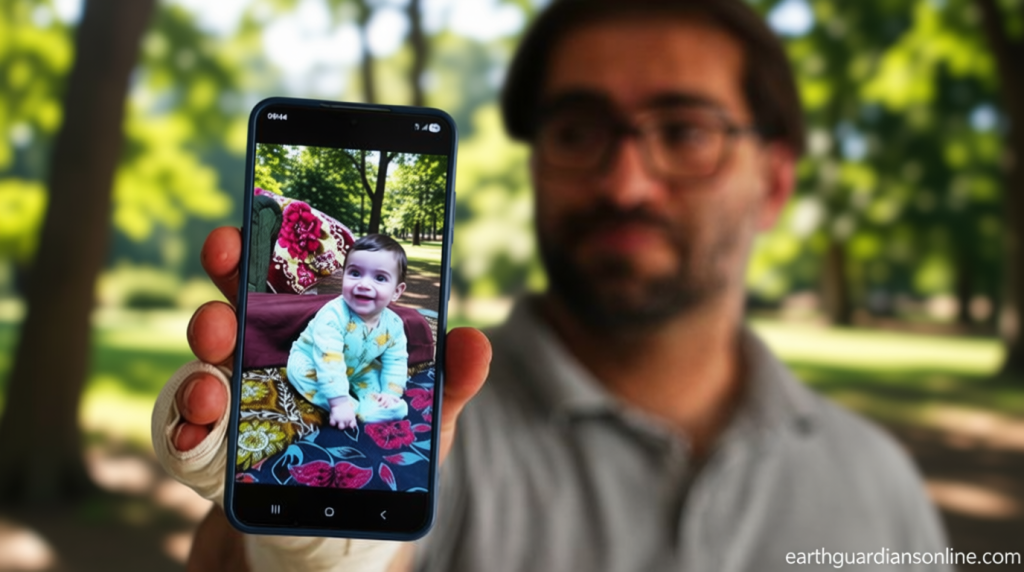
Israeli Soldiers Fire on Car, Killing 7-Month-Old Baby
Israeli soldiers open fire on car – On Friday, Israeli troops fired upon a vehicle in the West Bank, which remains under Israeli occupation, resulting in the death of a 7-month-old Palestinian boy and injuries to his parents, according to the Palestinian Ministry of Health. The incident occurred near the city of Hebron, where the family was traveling when the attack took place. Sam Fahd Abu Haykal, the infant, was killed instantly, while his father and mother sustained wounds, officials confirmed.
Details of the Shooting
The Palestinian Ministry of Health reported that the car was struck by gunfire, with the bullet penetrating the vehicle and fatally injuring the baby. Firyal Abu Haykal, the boy’s grandmother, shared her account with Reuters, describing the moment as both shocking and unjust. “The incident is unbelievable and unacceptable,” she said, her voice trembling. “We are being harmed just because we decided to stay at our homes.”
“The incident is unbelievable and unacceptable,” she told Reuters. “We are being harmed just because we decided to stay at our homes.”
According to the Israel Defense Forces (IDF), soldiers “perceived” a vehicle accelerating toward them at the time of the attack. A single shot was fired, the IDF stated, and they acknowledged that the individuals injured were “uninvolved civilians.” The military emphasized that the shooting was a defensive action, though they admitted the incident is currently under investigation to determine the exact circumstances.
Broader Context of the Conflict
The attack has reignited discussions about the ongoing tensions in the West Bank, where military operations frequently intersect with civilian life. Palestinian officials have previously highlighted the frequency of such incidents, noting that they often occur during late-night drives or in areas with high activity. This event follows a pattern of similar occurrences, underscoring concerns about the safety of residents in the region.
In March, four members of a single Palestinian family were fatally shot by Israeli soldiers during a late-night journey, officials reported. The family, including two boys aged 5 and 7, had just completed the daily Ramadan fast and were heading home when the tragedy unfolded. The incident was one of several that have drawn international criticism, with activists and human rights groups calling for greater accountability in the use of force.
Reactions and Aftermath
Local Palestinian communities have expressed outrage over the recent attack, with many describing it as a brutal reminder of the dangers faced by civilians. Firyal Abu Haykal’s statement has resonated widely, as it captures the emotional toll of such events on families. “We never expected this,” she added, reflecting on the trauma of losing her grandson in what she called an “unavoidable” tragedy.
The IDF has issued statements in the past to explain such incidents, often citing threats from the vehicle or perceived aggression. In this case, the military claimed the shot was fired in response to the car’s movement, which they interpreted as a potential threat. However, the absence of clear evidence has left many questioning the justification for the attack. “The circumstances are still under review,” the IDF said, but the outcome has already sparked renewed debate over the balance between security and civilian protection.
International observers have also weighed in, with some calling for independent investigations to clarify the facts. The incident highlights the challenges of navigating daily life in the West Bank, where military checkpoints and patrols create a constant backdrop of uncertainty. Palestinian families often face difficult decisions when traveling, and this case has drawn attention to the risks they endure.
While the Israeli military maintains that their actions were necessary, the loss of a young life has intensified calls for transparency. Activists have used social media to share the story, emphasizing the need for accountability. “Every life lost is a tragedy, but when it’s a child, the pain is magnified,” one advocate said, reflecting the sentiment shared by many in the region.
The Palestinian Ministry of Health has continued to monitor the situation, ensuring that all affected individuals receive medical attention. Sam Fahd Abu Haykal’s death has also prompted a wave of solidarity, with neighbors and community leaders mourning the loss and demanding justice. “This isn’t just an accident—it’s a reflection of the ongoing conflict,” said a local resident, who requested anonymity due to fears of retaliation.
As the investigation progresses, the incident is expected to influence public discourse about the humanitarian impact of military actions. The IDF’s acknowledgment of civilian casualties has been seen as a step toward addressing concerns, but critics argue that more needs to be done to prevent such tragedies. The case of the 7-month-old baby serves as a poignant symbol of the human cost of the conflict, with his story now part of a growing narrative of loss and resilience in the West Bank.
With the story updated to reflect the latest developments, the community awaits further clarity. For now, the family mourns, and the incident stands as a stark reminder of the delicate line between security and the safety of everyday lives. As the world watches, the focus remains on ensuring that justice is served and that similar events are minimized in the future.
