James Talarico blasts Trump FCC’s ‘dangerous’ cancel culture over Kimmel interview ordeal

Daftar Isi
James Talarico blasts Trump FCC over Kimmel interview move
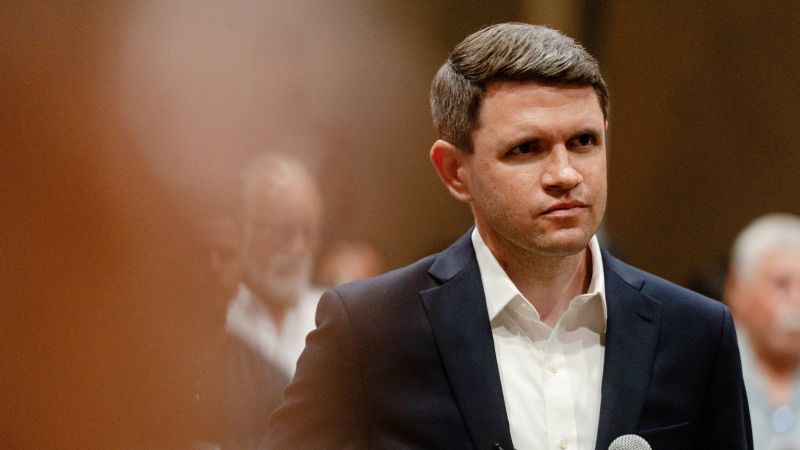
Earthguardiansonline.com – James Talarico blasts Trump FCC pressure as a danger to free expression after his planned appearance on Jimmy Kimmel’s ABC program was shifted to YouTube. The Texas Democratic Senate candidate said government officials and media executives should not determine which political views Americans are allowed to see or hear.
Talarico had been scheduled to appear on Kimmel’s late-night show Thursday. Instead, the interview was set to be released online, amid renewed debate about the Federal Communications Commission’s equal-time rule and its potential effect on candidate appearances on entertainment programs.
“People at the top, powerful politicians, powerful media executives censoring what we watch, what we read, what we — what we say,” Talarico said. “And that, again, should be a concern to everyone who believes in the First Amendment and believes in the freedom of speech.”
Why Jimmy Kimmel moved the interview to YouTube
Kimmel, who has frequently criticized President Donald Trump, told viewers that the FCC’s actions had created pressure on him, his show, ABC and local broadcast affiliates. He said the concerns involved editorial decisions such as which guests a program chooses to book.
“Now that he’s president, his FCC has threatened me, threatened our show, threatened our network,” Kimmel said.
Kimmel said the Talarico interview would appear on YouTube instead of airing on ABC. Unlike broadcast television, YouTube does not use the public airwaves and is not subject to FCC broadcast rules, making it an alternative outlet for programming that may raise equal-time concerns.
James Talarico blasts Trump FCC enforcement because he argues that regulatory pressure could discourage broadcasters from inviting political candidates and public figures onto programs. The issue, he said, reaches beyond one interview or one network.
The equal-time rule and Talarico’s Senate race
The FCC’s equal-time rule generally requires television and radio stations that provide free airtime to one legally qualified candidate to offer comparable opportunities to other qualified candidates. Talarico is running in a Texas Senate race in which the Republican nominee is Ken Paxton.
There are significant exceptions to the rule, including for bona fide news programming. Late-night and daytime talk shows have generally been treated as eligible for that exemption for about two decades. Critics of FCC Chairman Brendan Carr say the agency is now challenging the limits of those protections when programming features candidates or commentary critical of Trump.
Earlier this year, the FCC opened an inquiry involving ABC’s “The View” after Talarico appeared during the Democratic primary. Stephen Colbert said CBS instructed him to follow equal-time requirements before interviewing Talarico, which he described as unprecedented during his 21 years as a host. Colbert ultimately released his interview online as well.
Criticism of Brendan Carr’s FCC approach
Carr has argued that broadcast regulations matter because public airwaves are limited and differ from internet-based media. Critics, including former FCC officials from both political parties, contend that the enforcement approach appears selective and could turn an independent regulator into a political tool.
Anna Gomez, the FCC’s only Democratic commissioner, said the agency’s actions appeared designed to pressure ABC and its programs to provide content favored by the administration. The White House rejected claims that Carr threatened Kimmel over Talarico’s booking or the appearance of another candidate.
James Talarico blasts Trump FCC actions as a warning that broadcasters may become reluctant to air candidate interviews if they fear regulatory complaints or demands for equal access. That uncertainty could affect talk shows that regularly feature candidates, elected officials, activists and other public figures.
Texas FAQ: What does this mean for viewers?
Can Texas viewers still watch the Talarico interview?
Yes. Kimmel said the interview would be released on YouTube rather than broadcast on ABC, allowing Texas viewers and audiences elsewhere to watch it online.
Does the FCC regulate YouTube in the same way as local television stations?
No. FCC broadcast rules apply to stations using public broadcast spectrum. Online platforms such as YouTube are not governed by those broadcast-specific rules.
Why does equal time matter in a Texas Senate race?
The rule can require a broadcaster that gives one legally qualified candidate free airtime to offer a comparable opportunity to opposing qualified candidates. Its application depends on the program and whether an exception, such as a news-program exemption, applies.
Related Reading
Frequently Asked Questions
What is James Talarico blasts Trump FCC s dangerous?
James Talarico blasts Trump FCC s dangerous is the main topic of this guide. The article explains the context, practical details, and next steps readers should understand.
Why does James Talarico blasts Trump FCC s dangerous matter?
James Talarico blasts Trump FCC s dangerous matters because readers are looking for a useful answer, not just a short summary. Good content should match search intent and help them decide what to do next.