
Pope Leo calls war a ‘painful defeat’ of negotiations as Israel and Iran trade worst strikes in months
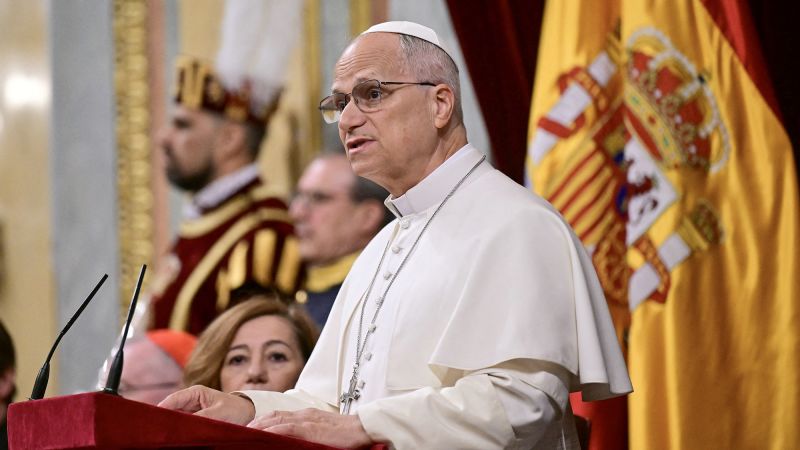
Pope Leo XIV Condemns War as a “Painful Defeat” of Diplomacy During Spain Visit
Pope Leo calls war a painful – During a pivotal address at Spain’s parliament on Monday, Pope Leo XIV delivered a peace-focused speech that underscored the importance of diplomacy and ethical responsibility in resolving global conflicts. The pontiff, who is currently touring the country, criticized the ongoing war as a “painful defeat” of negotiation efforts, highlighting the deepening divisions and violence that have gripped the world. His remarks came amid heightened tensions between Israel and Iran, which recently experienced their most severe clashes since the April truce. The pope’s visit, which continues until Friday, has drawn attention to his commitment to addressing both political and humanitarian challenges.
A Call for Diplomatic Courage and Shared Humanity
In the Cortes Generales, the first time a pope has addressed the Spanish political body, Leo XIV emphasized that “peace demands diplomatic courage, ethical responsibility, and the resolution of disputes through international law.” He argued that the current crisis reflects a failure to uphold these principles, stating that “every war constitutes, ultimately, a painful defeat of the capacity to negotiate and also of that shared conscience of humanity that recognizes bonds of justice between nations.” The speech was met with prolonged applause, signaling approval from the audience.
“The world is going through a profound spiritual and cultural crisis, which manifests itself in multiple forms of violence, polarization, and mutual distrust,” Leo XIV said. “In this context, peace presents itself as a political aspiration and, even more so, as a true moral imperative.”
The pontiff’s remarks coincided with his meeting with Spain’s prime minister, Pedro Sánchez, a vocal critic of U.S. and Israeli military actions in Iran. Sánchez, who has opposed the war, defended Leo XIV when U.S. President Donald Trump publicly attacked the pope for his stance. This exchange underscored the growing ideological rift between European leaders and American policymakers, with Trump also criticizing Sánchez for his nationalist-populist policies.
Human Dignity at the Core of the Address
Leo XIV’s speech also focused on the inalienable dignity of every individual, a theme central to his message. He urged European nations to prioritize this principle in their legal systems, particularly as they grapple with the challenges of migration. “The affirmation of human dignity cannot remain abstract when so many people are forced to leave everything behind in search of peace, security, and a future,” the pope asserted. His comments align with Spain’s historical role in shaping modern human rights frameworks, a legacy he acknowledged during his address.
The issue of migration has been a key focus of the papal visit. Leo XIV plans to visit the Canary Islands, a critical entry point for migrants entering Europe, to reaffirm his support for those seeking refuge. He described the plight of immigrants as a “tragic drama,” emphasizing that their struggles challenge the ethical foundations of the international order. “The world’s political and spiritual crisis is evident in the way nations respond to those in need,” he said, calling for a renewed commitment to humanitarian values.
Addressing Abuse and the Need for Accountability
Separately, the pope tackled the “scourge” of abuse, particularly within Spain’s ecclesial community. He urged bishops to listen to survivors and provide reparations, stressing that the trauma inflicted by those in positions of trust is a pressing moral issue. “One of the most painful encounters is with those who have been wounded precisely by those who were supposed to care for them, including members of the clergy,” he said during a meeting with Spanish bishops.
“Faced with this scourge, the ecclesial community is called to respond with listening, truth, justice, reparation, and an ever more determined commitment to prevention and a culture of care. Every wounded person must be able to find sincere listening, welcome, protection, and real paths to healing,” the pope added.
A 2023 ombudsman report revealed that over 200,000 children in Spain had been subjected to abuse by the clergy over decades, damaging the church’s credibility. Leo XIV’s visit includes planned meetings with abuse survivors, a move he described as essential to healing the wounds of the past. During the flight from Rome to Madrid, he referred to the issue as an “open wound,” underscoring its significance in his agenda.
Polarization and the Path to Moral Renewal
Spain’s political landscape, marked by increasing polarization, provided a backdrop for Leo XIV’s address. The country’s left-wing government, led by Sánchez, faces challenges such as corruption scandals, while nationalist-populist parties like Vox are gaining traction. The pope urged politicians to “disarm language” and avoid constant attacks on opponents, stating that “political pluralism should not degenerate into the constant disparagement of the adversary.” His call for “moral renewal” resonated with many, as the nation seeks to reconcile its diverse viewpoints.
Leo XIV also highlighted the need to protect the confidentiality of confession, a cornerstone of Catholic practice. He argued that this sacred right must be upheld to ensure trust between individuals and the Church. “The seal of confession prevents a priest from revealing any information about what is said during a person’s penitence,” he explained. “This privacy is vital for fostering open dialogue and spiritual integrity.”
Global Implications and a United Front for Peace
While the speech centered on Spain, its implications extend far beyond national borders. Leo XIV’s criticism of the Iran war reflects a broader concern about the erosion of diplomatic efforts in favor of military action. He called for a united front among nations to prioritize peace, stating that “the failure to negotiate is not just a national issue but a global one.” His visit to Spain, a country with a rich history of human rights advocacy, symbolizes his intent to bridge divides and promote shared ethical standards.
The pope’s focus on migration, abuse, and the rule of law highlights his multifaceted approach to addressing contemporary challenges. By intertwining these themes, he aims to position Spain as a leader in fostering both international cooperation and domestic reform. “The challenges we face today require a holistic response—one that combines political will with moral clarity,” he said, reiterating the need for a “cultural and spiritual awakening” in the face of global unrest.
As Pope Leo XIV continues his tour, his message serves as a reminder of the interconnectedness of global issues. From the escalating conflict between Israel and Iran to the humanitarian crises of migration and abuse, his speech advocates for a world where diplomacy and compassion prevail. His presence in Madrid has sparked discussions about the role of religion in shaping political discourse, with many hoping his insights will inspire meaningful change across Europe and beyond.
