This immigrant left the US for Canada. Something stood out to her at the border

This Immigrant Left the US for Canada
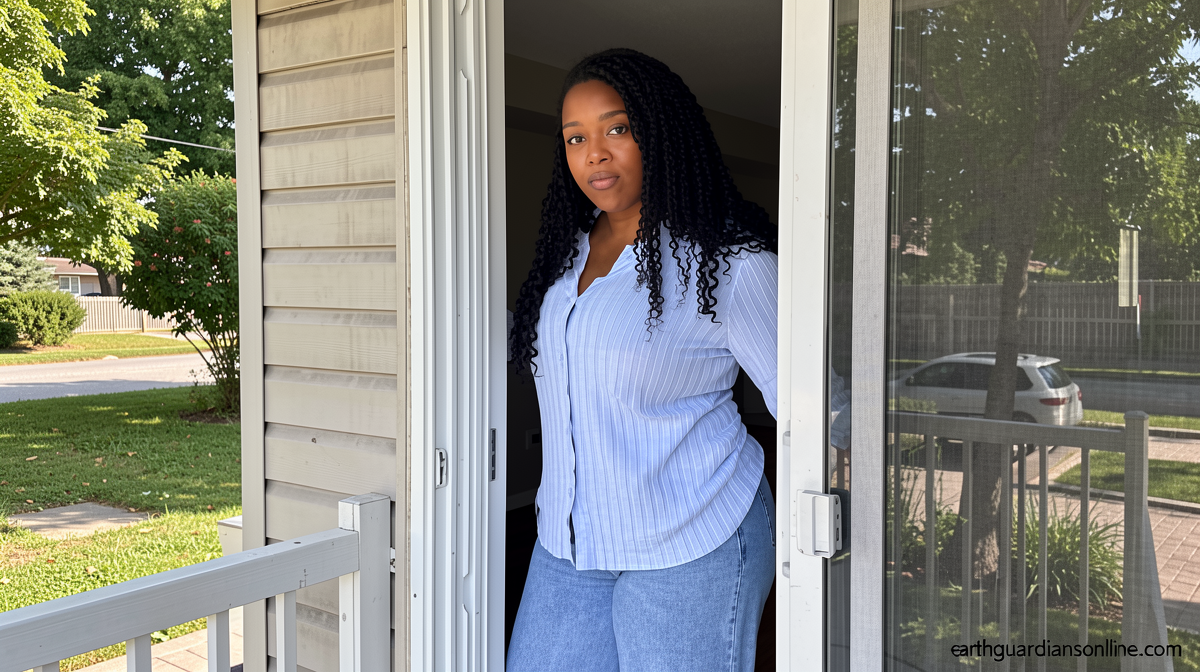
Earthguardiansonline.com – This immigrant left the US for Canada on a January morning, carrying nothing but the clothes on her back and a question no one could answer: what comes after the last suitcase is closed? Gemima Cadet, 32, had spent her adult life in Lake Worth, Florida, where the late-afternoon sun through her apartment window had become a kind of anchor. That morning, the same light fell on an empty closet, bare hangers swaying in the draft. Her mother stood beside her. The direction was north. No one could guarantee what waited on the other side of the border.
Cadet’s story is not isolated. Hundreds of thousands of Haitian residents in the United States watched their Temporary Protected Status — the federal designation shielding them from removal to a country where armed gangs control vast stretches of territory — formally revoked after the second Trump administration announced the termination. A subsequent US Supreme Court decision eliminated the last remaining legal obstacle, opening the door to large-scale deportation. The first repatriation flight under the new framework touched down in Port-au-Prince last week with more than 160 passengers aboard, and officials have confirmed further flights are already on the schedule.
Why Canada, and Why Now
For this immigrant who left the US, the choice was not driven by hope. It was driven by exhaustion. Months of contradictory announcements, court filings, and institutional silence had eroded whatever patience remained. Returning to Haiti, where the United Nations documents gang dominance over large portions of the country, felt like stepping into a firing line. Remaining in the US was becoming its own hazard: the dread of a knock at the door, of a name appearing on a list, of a one-way ticket booked before breakfast.
“How much longer do you want me to put my life on hold?” Cadet asked herself, according to accounts of that January morning. Friends counseled caution. She did not wait.
A Border That No Longer Opens the Way
During the first Trump administration, a stretch of road linking upstate New York to Montreal became a well-known informal crossing point for Haitians seeking asylum. That era has ended. The rules governing who may knock on Canada’s door have tightened sharply, and advocates describe a widening gap between what people hope and what the law permits.
A revised Safe Third Country Agreement, announced in 2023, now requires most immigrants to file asylum claims in the first country they reach. Those who cross between designated ports of entry without authorization are generally denied eligibility. Narrow exceptions exist — for instance, applicants with close family members already holding legal status in Canada — but they cover only a small slice of the population. Earlier this year, a separate statute added further hurdles: new time limits for filing asylum applications and additional eligibility criteria that did not previously exist.
“Coming to Canada is a narrow path for a small group of people who do meet an exception,” says Jenn McIntyre, clinic coordinator of the Canada-US Border Rights Clinic. “The consequences are not just being not let into Canada.” Those turned away at the border, she warns, will likely face detention and deportation back into the US system — where, with TPS gone, the outcome is often a flight home to Port-au-Prince.
Communities on Edge
In Ottawa, immigration and refugee lawyer Fedora Mathieu describes a steady climb in inbound calls from Haitians still in the US. Many arrive at her office already knowing the odds. They cross anyway.
“Some people … knowing fully well all the risks and all the troubles, they’re like, ‘I will give it a shot, and I will try, because I have nothing else, and I cannot go back to Haiti,'” Mathieu says.
In Montreal, Thierry Jean-Baptiste, coordinator of immigration and integration at the Montreal Haitian Community Office, has spent weeks fielding frantic phone calls. No large-scale immigration raids targeting Haitians have been publicly reported, but advocates across the country describe a measurable uptick in arrests and a pervasive sense of dread in Haitian neighborhoods from Florida to New York.
“They’re worried. They’re stressed. This is a nightmare for them,” Jean-Baptiste says.
When the administration moved to terminate TPS, officials framed the decision in terms of congressional intent. A Department of Homeland Security spokesperson told CNN recently that the program had outlived its purpose.
“For too long, TPS has been allowed to function as a de facto amnesty program despite Congress never intending it to be permanent,” the spokesperson said.
Frequently Asked Questions
What happened to TPS for Haitians in the US? The second Trump administration announced the termination of Temporary Protected Status for Haitians. A US Supreme Court ruling subsequently removed the final legal barrier, clearing the path for mass deportation. The first repatriation flight carried more than 160 passengers to Haiti last week, with additional flights confirmed.
Can Haitians still seek asylum at the US-Canada border? Under the revised Safe Third Country Agreement (2023) and newer statutory time limits, most immigrants must file in the first country they reach. Crossing between designated ports without authorization generally results in denial. Narrow exceptions apply — such as having a close family member with legal status in Canada — but they cover a small fraction of applicants.
What happens if someone is turned away at the Canadian border? Advocates warn that those denied entry face likely detention and deportation back into the US system. With TPS no longer in effect, the practical outcome is often a forced return flight to Port-au-Prince.
Is this immigrant’s story representative of a larger trend? Yes. Lawyers and community organizers in Ottawa, Montreal, and across the US describe a measurable increase in border crossings by Haitians seeking asylum in Canada, driven by the combination of TPS termination, deportation flights, and fear of arrest in US neighborhoods.