
‘Africa is the next wave of global talent’: This CEO is all about tech education
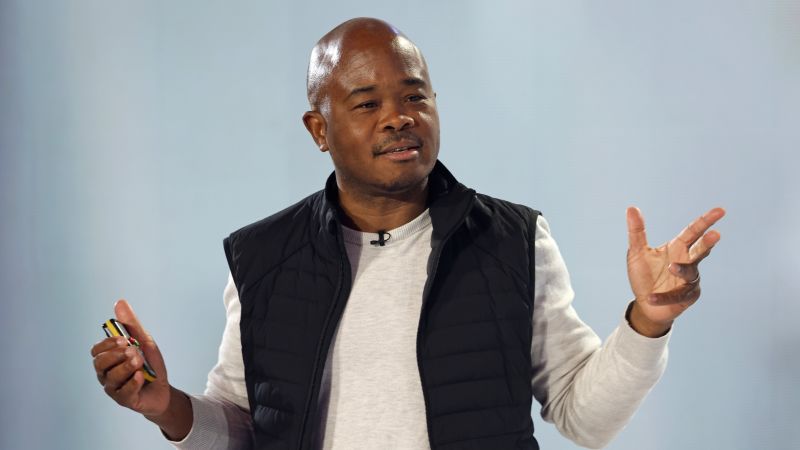
Africa as the Next Global Talent Wave: CEO Fred Swaniker’s Tech Education Vision
Africa is the next wave of global talent, a belief that drives Fred Swaniker’s mission to revolutionize education across the continent. As the founder and CEO of Sand Technologies, a New York-based company specializing in tech and AI solutions, Swaniker has championed initiatives that equip African youth with skills to compete on the world stage. His programs, including the African Leadership Academy and the African Leadership Xcelerator (ALX), are designed to create a talent pipeline that addresses both local and international opportunities. With an average age of 19, Africa’s young population is poised to lead the next era of innovation, and Swaniker’s work is central to unlocking this potential.
Building a Sustainable Talent Pipeline
Swaniker’s approach to education emphasizes scalability and adaptability. The African Leadership Academy, launched in 2004, was the first step in nurturing African talent for higher education. It evolved into the African Leadership Universities in 2015, which expanded access to quality learning for thousands of students. These institutions bridge the gap between traditional education and the dynamic needs of the tech sector. Now, ALX offers short virtual courses in software engineering, data analytics, and creative fields like music and animation, ensuring that even remote learners can participate in this transformation.
Remote Work as a Bridge to Global Markets
The rise of remote work has become a critical tool for African professionals to access global opportunities. “If you’re in Liberia, you’re no longer isolated,” Swaniker said, highlighting how digital platforms enable talent to compete with peers in cities like Los Angeles. ALX graduates are now working internationally from hubs such as Lagos and Nairobi, contributing to global industries while retaining earnings within Africa. This model not only creates jobs but also strengthens local economies, as trained individuals can support families and communities back home. “One educated worker can uplift five to ten others,” he explained, underscoring the broader impact of scalable education.
Empowering Creativity in African Innovation
Swaniker envisions Africa as a powerhouse for creative industries, where digital skills are as vital as technical expertise. He pointed to Nigeria’s thriving music scene as proof of this potential, noting that artists like Burna Boy and Wizkid have gained international recognition. “Young people set the cultural tone for the world,” Swaniker remarked, and Africa is the source of this talent. By integrating film, gaming, and animation into ALX’s curriculum, the platform aims to position the continent as a leader in cultural exports. “The next wave of culture and entertainment will emerge from Africa’s youth,” he asserted, emphasizing the role of education in nurturing that shift.
Africa is the next wave of global talent, and Swaniker’s initiatives are designed to harness this potential. The African Leadership Xcelerator has trained over 700,000 individuals since its launch, with a goal to reach 3 to 5 million by 2034. This scale ensures that brain drain becomes a strength rather than a weakness. “Training talent at a small level is a drain,” he clarified. “But at scale, it’s a win-win.” By focusing on digital skills and creative industries, ALX is preparing African professionals to thrive in a rapidly evolving global economy.
Swaniker’s work extends beyond urban centers, reaching underserved communities. For instance, coding classes are now being taught in a Kenyan youth prison, demonstrating how education can transform lives in unexpected places. “Technology is rewriting futures in places you wouldn’t expect,” he said. These programs highlight the accessibility of tech education and its capacity to break cycles of underemployment. As Africa’s youth gain digital fluency, they are not only building careers but also contributing to solutions that address global challenges. “Africa is the source of ingenuity that will solve the world’s problems,” Swaniker concluded, reinforcing the continent’s role in shaping the future.
