
Ebola response worker who traveled from DRC to France is first in outbreak to test positive outside of Africa
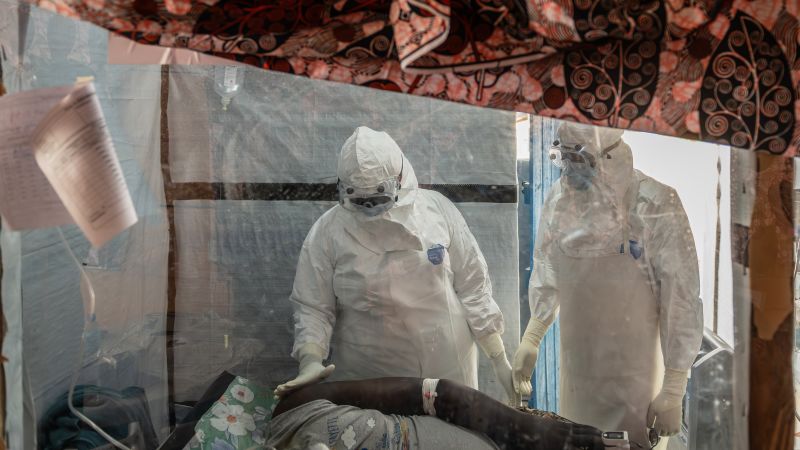
France Confirms First Ebola Case Outside Africa Amid DRC Outbreak
Ebola response worker who traveled – France has announced the detection of the first Ebola case recorded outside the continent of Africa, involving a healthcare worker who returned from a mission in the Democratic Republic of the Congo (DRC). The patient, a response worker who traveled, tested positive for the virus, marking a critical development in the ongoing second major outbreak. The French Health Ministry confirmed the diagnosis on Wednesday, highlighting the global reach of the disease and the importance of rapid containment measures. This case underscores the challenges of preventing the virus from spreading beyond its primary epicenter in the DRC, where it has been circulating extensively. The individual, whose identity remains confidential, is currently in stable condition after being promptly admitted to a specialized facility, with strict isolation protocols in place to mitigate transmission risks.
Global Health Officials Warn of Outbreak’s Persistence
As the DRC continues to face a severe Ebola outbreak, international health authorities have raised alarms about the strain’s resilience and the difficulty in containing it. The World Health Organization (WHO) reported that the Bundibugyo strain, responsible for the current outbreak, has caused at least 277 deaths in the DRC and two in Uganda, with over 1,000 confirmed cases in the country. Despite efforts to control the spread, the virus has demonstrated an ability to cross borders, prompting concerns about its global impact. The response worker who traveled from the DRC to France has become a focal point for discussions on international transmission risks, as their case highlights the need for vigilance in countries with robust healthcare systems.
“All precautionary measures were implemented immediately upon arrival, including secure hospital transfer to prevent transmission,” the French Health Ministry stated. This response worker who traveled serves as a reminder of the critical role that travel plays in the virus’s global movement.
The patient’s condition is being closely monitored, with health officials conducting an in-depth epidemiological investigation to trace contacts. Those who had close interactions with the response worker who traveled are now under home isolation for 21 days, as part of a precautionary strategy to identify potential cases early. The European Centre for Disease Prevention and Control (ECDC) has assessed the risk to the European population, affirming it as “very low” for now. However, the presence of the response worker who traveled in France has intensified focus on how such individuals can act as vectors for the virus, even in well-equipped regions.
Historical Context and International Cases
This is not the first time Ebola has spread beyond Africa, but the response worker who traveled from the DRC to France represents a significant milestone. In 2022, a similar case occurred with American doctor Peter Stafford, who contracted the virus while working in the DRC and was treated in Germany before returning to the U.S. Such incidents illustrate the interconnectedness of global health efforts and the potential for cross-continental transmission. The current case in France, however, is distinct because it is the first confirmed instance during this specific outbreak, signaling a new phase in the virus’s global spread.
WHO officials have noted that while most international cases have originated from the DRC, the number remains relatively low compared to the outbreak’s scale within Africa. Dr. Chikwe Ihekweazu, head of the WHO Hub for Pandemic and Epidemic Intelligence, emphasized that contact tracing is essential in controlling the virus. “The challenge with Ebola is that even 99.9% is not good enough. We have to keep pushing to the very end to get all new cases emerging from known contact lists,” he explained, stressing the need for vigilance in tracking the response worker who traveled and others like them.
Strategies to Combat the Outbreak
In response to the outbreak, the DRC has deployed additional medical personnel and resources to manage the crisis. However, challenges persist in tracing contacts and isolating individuals effectively. The response worker who traveled from the DRC to France has prompted heightened scrutiny of quarantine procedures and the importance of rapid testing. France’s Health Ministry has confirmed that the patient is recovering well and that measures are in place to prevent
