A date to remember: The Abu Dhabi ice cream maker turning palm trees into soft serve

Daftar Isi
From Date Palm to Soft Serve: How One Abu Dhabi Entrepreneur Is Reimagining the Gulf’s Most Iconic Tree
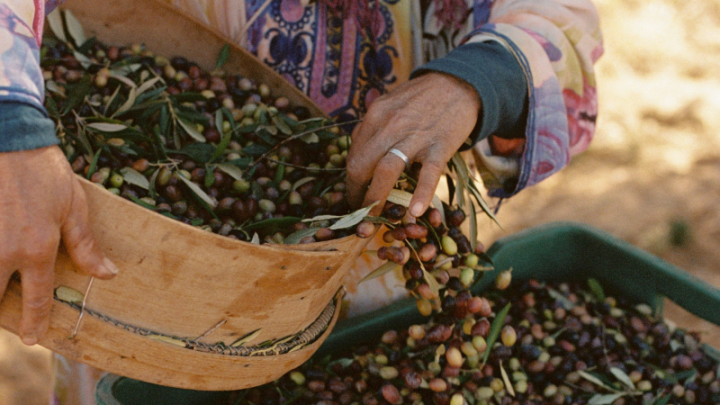
Earthguardiansonline.com – The date palm has stood at the center of Arabian life for millennia — its fronds shading desert settlements, its fruit sustaining nomadic caravans, its trunk providing building material. In the United Arab Emirates, the tree is woven into national identity so deeply that it appears on currency, emblems, and public art. Yet for decades, the fruit’s culinary role in the region remained largely confined to traditional sweets and seasonal hospitality. That boundary is now dissolving, one scoop at a time, in a small ice cream parlor wedged behind the industrial sprawl of Abu Dhabi’s Zayed Port.
A Night Shift Built on an Ancient Fruit
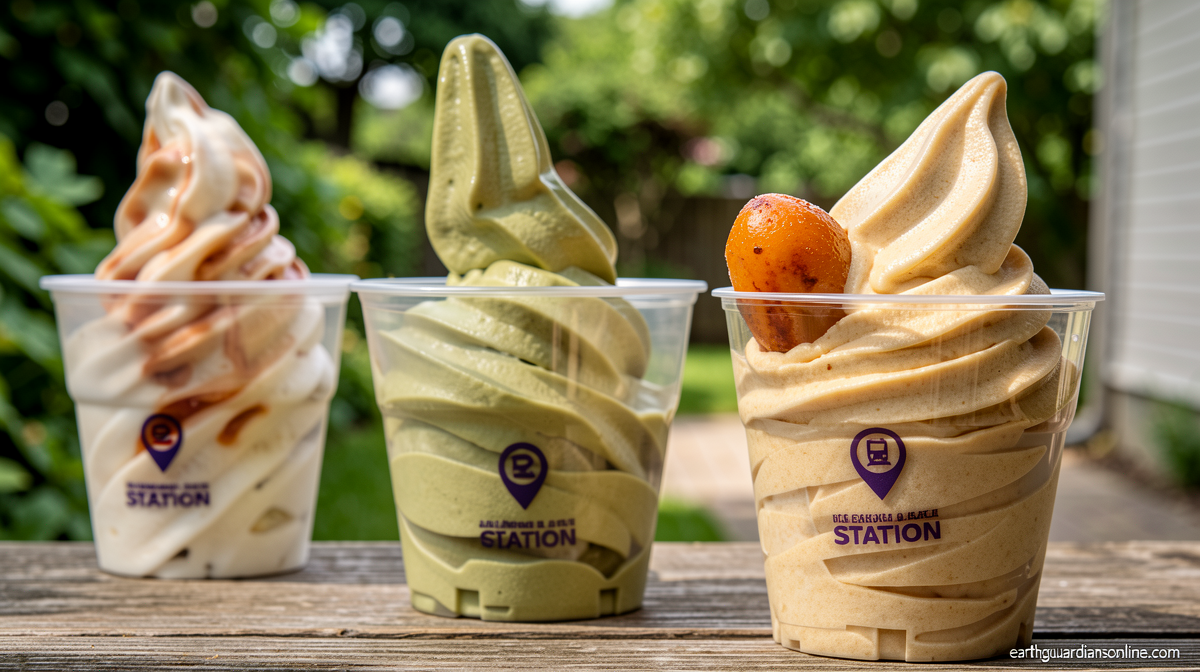
Amira Al Dosari, 53, does not open her doors until the sun has long since set. Her working day begins at 9 p.m. in the back kitchen, where she spends as many as three hours preparing, churning, and taste-testing twelve distinct bases. By the time morning light reaches the shopfront of Ice Station — the name she gave the venture when she launched it in 2023 — a full dozen flavors are lined up and ready for customers. Many of those flavors trace their sweetness back to a single, unexpected ingredient: the date palm.
Globally, date production reached nearly 11 million metric tons in 2024, according to the UN Food and Agriculture Organization. Saudi Arabia and Egypt topped the output rankings, while the UAE placed within the top ten producing nations. The fruit remains one of the country’s most significant agricultural exports, a fact that underscores how deeply embedded the palm is in local economies.
The Sugar Problem
Al Dosari did not set out to build a date-centric menu. After completing ice cream-making courses across several countries, she grew frustrated by how heavily commercial recipes leaned on premade mixes, preservatives, and synthetic flavorings. What troubled her most, however, was the sheer volume of added sugar in standard formulations.
“I was thinking about what the future could be for (children) who eat a lot of sugar when they are that young. How would that affect their body?”
That question sent her back to the kitchen bench and into a long period of trial and error. She settled on kholas rotab — the softest, most fully ripened stage of the kholas date variety — whose natural sugars and dense fiber content offered a path toward sweetness without refined cane sugar. Dates, she acknowledges, are themselves sugar-rich. But as a whole fruit they carry dietary fiber that moderates absorption in ways a pure sucrose solution does not. For Al Dosari, the distinction matters: the sweetness must arrive from the fleshy, dark fruit itself.
“The main thing in soft serve is the sugar. It gives it its creamy texture.”
Achieving that creamy texture without any added sugar, she admits, was the central engineering problem. Fifteen machines broke during the experimentation phase before a stable rotab-based formula finally held.
Every Part of the Tree
Once the fruit proved workable, Al Dosari began looking at the rest of the palm. Over roughly three years, that curiosity has yielded 145 distinct flavors, each drawing on a different component of the tree.
Her matcha offering is perhaps the most striking example. Rather than importing Japanese green tea powder, she processes date palm leaves — locally called “safcha” — into a powder that, in her assessment, replicates both the flavor profile and the vivid green coloration of true matcha. The substitution carries a practical dimension as well: surging global demand for Japanese matcha has placed increasing strain on supply chains, making a regional alternative both timely and economically sensible.
“Every single person in my family is like, ‘matcha, matcha, matcha!’ I said, ‘Okay, but matcha has caffeine, so let’s go for something similar, but with no caffeine.'”
Her daughter, Ghalia Al Mazrouei, a sustainability consultant, helped identify a use for the seeds left over after the dates are processed. Brewed into a caffeine-free infusion, the seeds become the base for a drink the shop pours over a mound of ice cream and labels an “affogato,” borrowing the name from the Italian dessert in which espresso drowns a scoop of gelato.
“We know that the entire plant is quite safe for consumption, so it was just more about how we could present this in a way that is enjoyable for everyone?”
Al Dosari has also isolated the palm’s pollen and built an entire flavor around it. Date molasses — the concentrated syrup drawn from the fruit’s sap — serves as a natural sweetener across the menu, and she has found that different date cultivars impart markedly different taste notes, some approaching the tropical profile of banana.
Beyond the Palm
The date tree is not the sole wellspring of inspiration at Ice Station. The menu has cycled through international references over the years: Costa Rican pineapple, ube (the purple sweet potato native to the Philippines), and a range of savory pairings that include smoked salmon with cream cheese, caviar layered over vanilla, and parmesan paired with white truffle.
“I have so many (ideas),”
she says, laughing, as she describes the current project: the 448th flavor in an ongoing catalogue that shows no sign of plateauing.
Cultural Identity in a Scoop
For Al Dosari, the date-laden creations are not merely a novelty or a marketing angle. They represent an attempt to translate a heritage ingredient into something with contemporary cultural relevance and regional pride. The Gulf states — from Oman to Kuwait — share the palm as a common botanical and cultural inheritance, and her work positions that shared symbol within a modern, globally legible food format.
“All Gulf countries share the same heritage: the palms.”
In a region where date production sustains thousands of farming families and where the tree’s silhouette is as recognizable as any national emblem, turning its fruit, leaf, seed, and pollen into premium soft serve is less a culinary stunt than a quiet act of reclamation — pulling an ancient symbol out of the museum case and placing it, cold and sweet, in the hands of a new generation.
Related Reading
Frequently Asked Questions
What is A date to remember?
A date to remember is the main topic of this guide. The article explains the context, practical details, and next steps readers should understand.
Why does A date to remember matter?
A date to remember matters because readers are looking for a useful answer, not just a short summary. Good content should match search intent and help them decide what to do next.