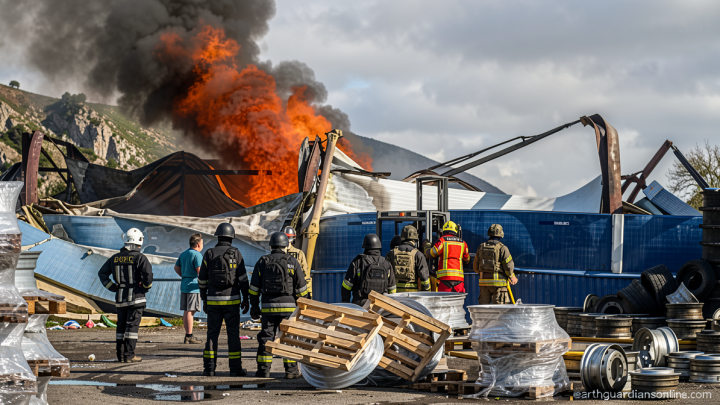
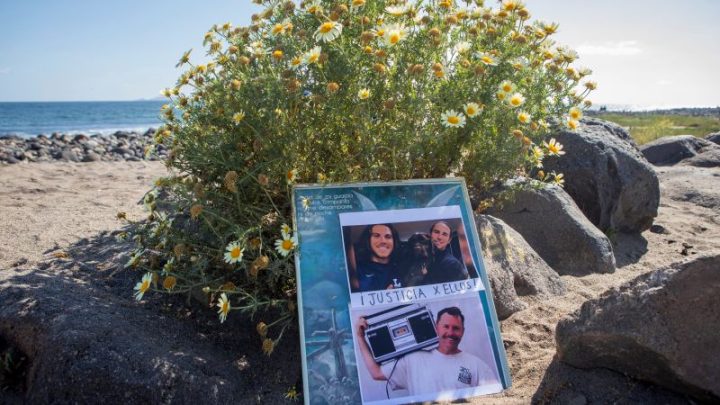
Small plane crashes in water next to remote Alaska coastal town, killing all 4 on board

Daftar Isi
Four Dead After Piper PA-24 Plunges Into Shallow Waters Near Seldovia, Alaska
Earthguardiansonline.com – All four passengers aboard a single-engine Piper PA-24 were killed Wednesday when the aircraft crashed into the shallow, tidal waters of the Seldovia Slough, a narrow inlet hugging the shore of one of Alaska’s most isolated coastal communities. The crash marked the second fatal aviation disaster in the state within less than seven days, intensifying scrutiny of the fragile air corridors that connect remote Alaskan settlements to the rest of the country.
The Flight and the Crash
The Piper PA-24, a twin-engine piston aircraft widely used for bush flying and short-field operations across northern and western Alaska, had departed Anchorage and was en route to Seldovia’s small airstrip when it went down. Seldovia sits roughly 136 miles southwest of Anchorage along the coast of the Alaska Peninsula, a region where paved runways are rare and weather windows can close without warning. The aircraft was not expected to be over open ocean at the time of the crash; it had already turned toward the coast and was close enough to shore that the wreckage ended up in only about 15 feet of water within the slough itself, rather than in the deeper waters of the Gulf of Alaska beyond.
Clint Johnson, who heads the National Transportation Safety Board’s Alaska regional office, confirmed the depth and location of the wreckage. Because the slough is subject to tidal flooding, recovery crews could not simply wade or drive to the site. State troopers were forced to wait for the tide to recede before they could reach the submerged fuselage and begin extracting the bodies of the four adult occupants.
Recovery and Identification
Once the water level dropped sufficiently, troopers pulled the four victims from the wreckage. Their remains were transported to the state medical examiner’s office for examination. The Alaska Department of Public Safety indicated that the identities of the deceased would not be made public until next of kin had been formally notified, a standard protocol intended to spare families the shock of learning details through public channels.
No preliminary cause had been identified as of the initial reporting. The NTSB opened an investigation into the crash, and the Federal Aviation Administration was expected to coordinate with the board as the inquiry progressed. In a region where many aircraft operate under visual-flight-rules conditions over terrain that offers few escape corridors, even minor mechanical failures or brief weather incursions can prove fatal.
Political Reaction
U.S. Senator Dan Sullivan, Alaska’s senior senator, announced that he would seek a briefing from both the NTSB and the FAA as the agencies worked to determine what went wrong with the flight. He addressed the public directly on social media:
“These tragedies are heartbreaking and unacceptable, which is why aviation safety and infrastructure in Alaska continue to be a top focus of mine.”
Sullivan’s remarks echoed a recurring theme in Alaskan politics: the state’s dependence on small aircraft for everything from mail delivery to medical evacuation, combined with aging infrastructure and limited federal oversight capacity in remote areas, creates a persistent vulnerability that lawmakers argue demands sustained investment.
A Second Tragedy Within Days
The Seldovia crash arrived less than a week after another fatal accident in western Alaska. In that incident, an aircraft carrying eight people went down at a remote military installation during its second approach to a gravel runway. Heavy fog had obscured the strip from the cockpit, and the pilots were unable to see the landing surface before the aircraft struck the ground. All eight aboard were killed.
Two fatal crashes in under a week, one in fog over a gravel strip and one in shallow coastal water, underscored how quickly Alaska’s aviation environment can turn lethal. The state’s roughly 500,000 residents are spread across a landmass larger than most European nations, and thousands of small communities rely on a patchwork of unpaved, uncontrolled airstrips that receive minimal weather instrumentation. For many Alaskans, the Piper PA-24 and similar light aircraft are not recreational luxuries but the primary means of reaching work, school, and medical care.
The NTSB investigation into the Seldovia crash will examine flight data, cockpit voice recordings if available, maintenance logs, and weather conditions at the time of departure from Anchorage. Results are typically released after a thorough review, and in cases involving shallow-water recoveries, the condition of the wreckage after submersion can complicate the analysis. Families of the four victims will await findings while the broader community in Seldovia, a town of a few hundred residents sustained largely by fishing and subsistence activities, processes the loss.
Related Reading
Frequently Asked Questions
What is Small plane crashes in water next?
Small plane crashes in water next is the main topic of this guide. The article explains the context, practical details, and next steps readers should understand.
Why does Small plane crashes in water next matter?
Small plane crashes in water next matters because readers are looking for a useful answer, not just a short summary. Good content should match search intent and help them decide what to do next.