Two men rescued from flood-stricken Nepali power plant where scores feared trapped

Daftar Isi
Voices Heard in the Dark: Two Workers Pulled Alive from Nepal’s Flood-Severed Power Tunnels
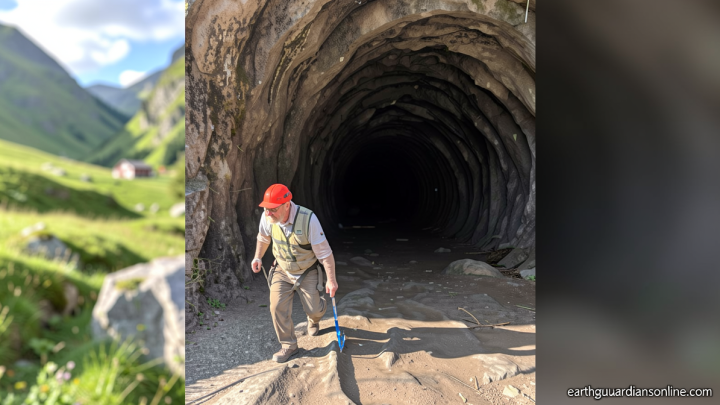
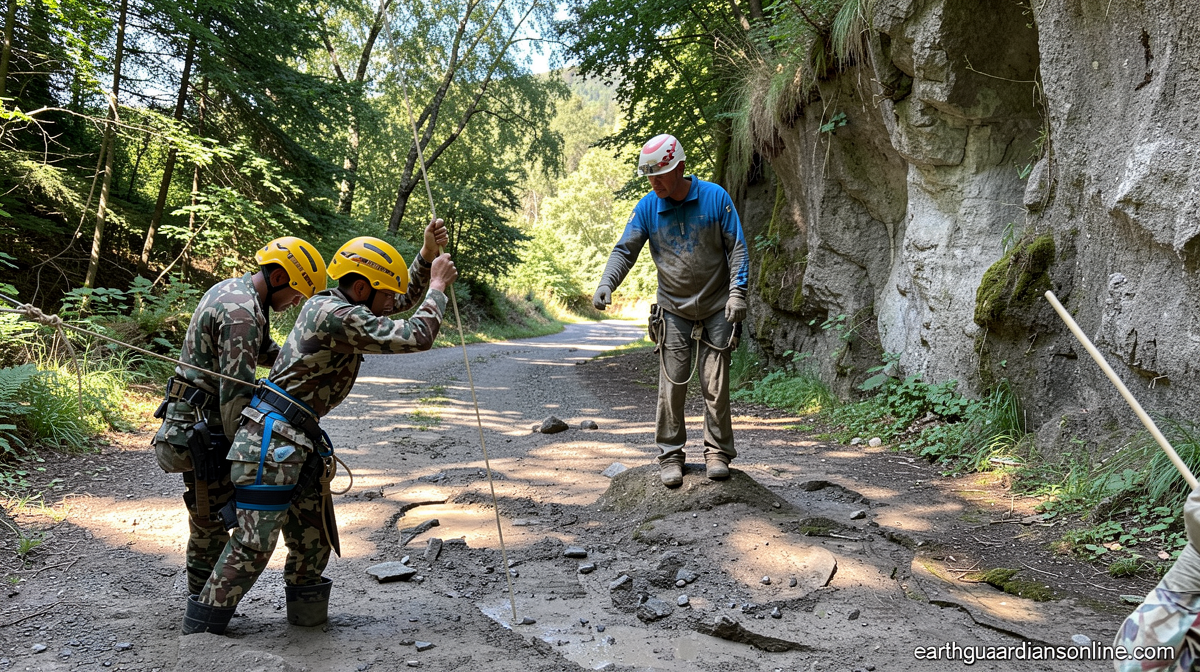
Earthguardiansonline.com – Nine days after a wall of debris-laden water tore through the Himalayan foothills of central Nepal, rescuers broke through into the buried tunnels of the Trishuli 3A hydropower station and pulled two men to the surface. The breakthrough came after an exhaustive, around-the-clock drilling operation aimed at reaching 42 workers whose whereabouts had gone unconfirmed since the catastrophic flash flood and cascading landslides sealed off multiple underground chambers. Footage captured at the scene showed roughly a dozen rescue personnel hauling one of the survivors out through a narrow borehole in the earth, their hands clasping in relief as the man cleared the opening.
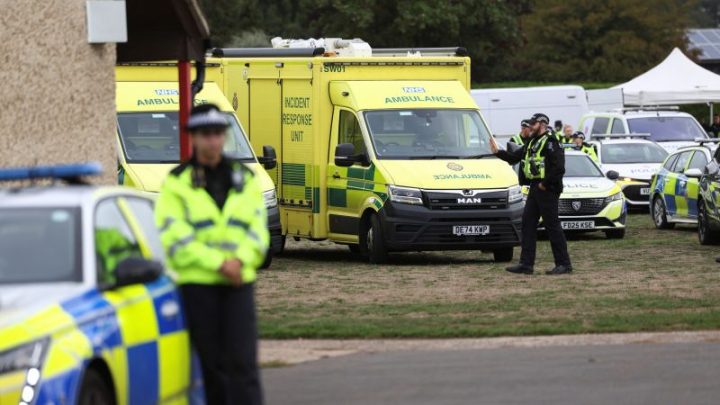
“Rescuers heard voices,” said Bipin Regmi, the police chief overseeing operations in the devastated Nuwakot district. He confirmed that a medical team had been dispatched to the site immediately after the extraction. The discovery of living workers inside the tunnel network offered a fragile but tangible counterweight to the grim arithmetic that had dominated the past week: more than 1,200 confirmed deaths across Nepal, and over 900 workers still unaccounted for at several energy installations strung along the Trishuli River valley.
A Tunnel System Built for Water, Now a Maze of Rubble
The Trishuli 3A station sits in a stretch of the river where the current drops sharply through the mid-hills, making it a prime candidate for run-of-river hydroelectric generation. The facility’s underground powerhouse is reached by a tunnel exceeding four kilometers — roughly 2.5 miles — in length. When the flood struck, dozens of maintenance and construction personnel were inside that chamber. The torrent that followed was not ordinary rainwater; witnesses described a slurry of cement-like sediment that swallowed the river channel, buried access roads, and collapsed sections of the tunnel lining in minutes.
Nepal’s dependence on Himalayan hydropower for electricity export and domestic supply means that the Trishuli corridor hosts not one but several large-scale projects, many of them financed and staffed by international partners. Among the workers trapped or missing in the aftermath are nationals of China, South Korea, and India, complicating coordination and raising diplomatic stakes alongside the humanitarian emergency.
The Clock Inside the Dark
Survival odds in confined underground spaces deteriorate rapidly, and military engineers working alongside Nepali rescue teams have been candid about the timeline. Parikshit Mehra, an Indian army colonel leading a specialized troop detachment at the Trishuli 3A site, explained the physiological and psychological cascade that sets in once a person is sealed in a pitch-black tunnel.
“The first 48 hours are the most crucial. People who are stuck tend to panic much more than when they are outside in the open. Getting stuck in a tunnel you can’t see anything. Generally if you stay in the dark you get disoriented in about 24-25 hours. Beyond that, (after) 48 hours, you start hallucinating. And then I think from there on it’s always a fight.”
Mehra made the remarks while standing outside the tunnel mouth, where his team had been methodically boring lateral shafts toward the powerhouse chamber. He paused, then added a single line that captured the mood of every shift working the site:
“There have been miracles.”
Why Nine Days Changes Everything
The interval between the initial flood event and the first confirmed extractions stretches the rescue into territory where conventional search-and-rescue doctrine gives way to something closer to deep-mining salvage. Each additional day narrows the window in which trapped individuals can survive without food, water, or ventilation. The geological instability of the Nuwakot district — a narrow valley where the Trishuli cuts through sedimentary rock — means that secondary landslides remain a constant threat to both buried workers and the crews working above ground.
Nepali authorities have not yet released a verified count of how many of the 42 unaccounted-for workers at Trishuli 3A may still be alive. The two rescued men represent the first confirmed survivors from that specific tunnel, though their condition and the circumstances of their survival have not been fully detailed. Medical personnel arrived at the borehole site shortly after the extraction to assess both survivors.
A Nation’s Energy Backbone Under Strain
The Trishuli River basin has long been the centerpiece of Nepal’s plan to become a net electricity exporter to India and Bangladesh. The concentration of multiple gigawatt-scale projects within a single river corridor amplifies both the economic upside and the catastrophic downside: when the monsoon season delivers its full force, the entire chain of tunnels, intake structures, and powerhouse chambers becomes vulnerable to the same hydrological event. The scale of this year’s losses — over 1,200 dead and nearly a thousand workers missing across the region — has prompted questions in Kathmandu about whether the density of installations along the Trishuli exceeds what the valley’s geology can safely accommodate.
For now, the focus remains on the boreholes still being advanced toward the buried chambers. Every shift brings the possibility of another voice from the dark, and every voice keeps the operation running around the clock.
Related Reading
Frequently Asked Questions
What is Two men rescued from flood stricken?
Two men rescued from flood stricken is the main topic of this guide. The article explains the context, practical details, and next steps readers should understand.
Why does Two men rescued from flood stricken matter?
Two men rescued from flood stricken matters because readers are looking for a useful answer, not just a short summary. Good content should match search intent and help them decide what to do next.