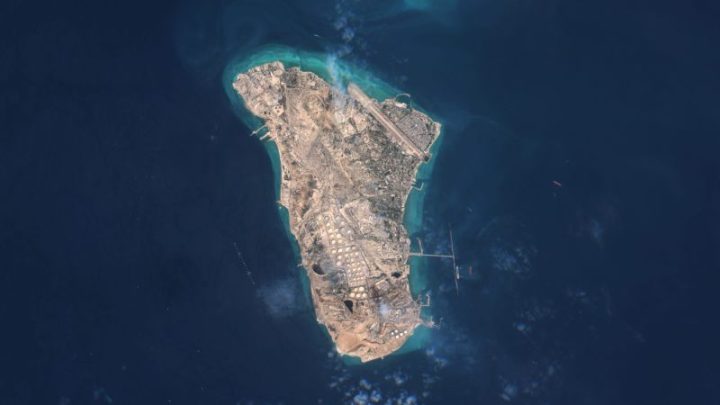
Iran meeting with Gulf countries to discuss Strait of Hormuz deal without the US

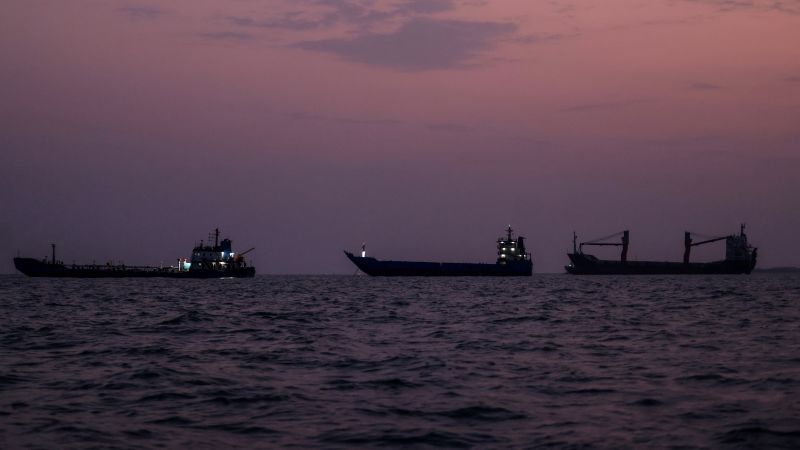
Iran Meeting With Gulf Countries Targets Hormuz Shipping Deal
Earthguardiansonline.com – An Iran meeting with Gulf countries is expected to focus on an Omani proposal aimed at restoring more normal tanker traffic through the Strait of Hormuz. The United States, which continues to play a military escort role for oil tankers, is not taking part in the regional discussions.
The talks reflect mounting pressure on governments around the Gulf to find a workable path for commercial shipping. Traffic through the strategic waterway remains far below normal levels, creating continuing uncertainty for energy exporters, shipping firms, insurers and global markets.
Diplomats have spent months considering a formula that could allow vessels to move more freely while giving Iran and Oman roles in managing parts of the transit process. A central concern is whether any arrangement could result in payments connected to shipping through the strait.
“There is no imminent breakthrough expected, but resolving the strait issue is the most pressing issue, so we need to start somewhere,” a regional source said.
Oman’s proposal for tanker transit
Under the Omani framework, ships would not face a compulsory toll. Instead, the proposal considers voluntary payments linked to navigational safety and environmental protection, according to people familiar with the plan. Those contributions could support services involved in directing safer passage through the waterway.
The difference between voluntary contributions and mandatory charges is crucial. Gulf states and other governments have opposed any system that would formally impose a new fee on commercial vessels, particularly if it created a direct financial benefit for Iran.
Still, some diplomats have become more receptive to a voluntary model. Such an approach could offer political flexibility to the parties involved without formally abandoning the long-standing principle of open commercial transit through the Strait of Hormuz.
One near-term goal of the Iran meeting with Gulf countries is to agree on maps identifying routes tankers could use. A limited agreement on transit corridors would not resolve every dispute, but it could reduce uncertainty for shipping companies and energy markets.
Before the conflict, commercial vessels moved through the strait without new required charges. During the early stages of the war, the United States and regional governments strongly rejected a postwar arrangement that imposed fees on tanker traffic, especially payments that might enrich Iran. That stance has become less rigid as high energy prices and prolonged disruption have increased pressure to reopen the route.
“We won’t accept something that was not there before, but there could be symbolic new rules that allow both sides to save face,” said a European diplomat briefed on the Omani proposal.
US policy remains separate from regional talks
Officials in the Trump administration have reviewed plans developed by Oman in recent months but have not publicly endorsed them. Privately, US officials have told Gulf partners that future engagement with Iran should focus on Tehran’s nuclear program rather than a settlement over the Strait of Hormuz.
President Donald Trump has described the current military position as favorable for the United States. In a Truth Social post on Tuesday night, after Iran retaliated for US strikes, Trump said he did not intend to pressure Tehran into negotiations.
“I’m not trying to force Iran to the bargaining table,” Trump wrote. “I like our position now much better, with almost total control of the Hormuz Strait, and their economy totally collapsing.”
US officials believe American forces hold a military advantage in the waterway. Earlier in the conflict, Washington underestimated Iran’s readiness to shut the strait in response to combat operations by the United States and Israel. Iran then used its ability to threaten commercial shipping as leverage during the broader war.
The administration has indicated that it does not currently want the strait to become part of direct US-Iran negotiations. However, Washington is not seeking to prevent the regional discussions and remains in close contact with its Gulf partners.
Why the Strait of Hormuz talks matter
The Strait of Hormuz is a vital route for oil and other commercial shipments. Continued disruption affects the Gulf economies that depend on energy exports while also increasing risks and costs for vessels attempting to transit the area.
The Iran meeting with Gulf countries could therefore produce a limited but meaningful step if participants agree on safe tanker routes. A broader agreement on payments, governance and long-term transit rules would likely require more difficult negotiations.
FAQ: Strait of Hormuz discussions
What is the purpose of the Iran meeting with Gulf countries?
The meeting is expected to examine an Omani proposal to restore safer and more regular tanker movement through the Strait of Hormuz.
Will the United States participate in the talks?
No. The United States is not participating in the regional meeting, although US officials remain in contact with Gulf partners.
Would ships be required to pay a new toll?
The Omani proposal does not call for a compulsory toll system. It considers voluntary payments related to navigational safety and environmental protection.
What could be agreed first?
Participants may seek agreement on maps showing transit corridors for tankers, which could help reduce uncertainty even without a comprehensive deal.