Isaias rapidly intensifies into season’s first Atlantic hurricane as Gulf Coast braces for landfall

Daftar Isi
Isaias Rapidly Intensifies Into Season’s First Atlantic Hurricane
Earthguardiansonline.com – Isaias rapidly intensifies into season’s first Atlantic hurricane as communities along the northern Gulf Coast prepare for potentially dangerous conditions. The storm is expected to approach the coast late Friday or early Saturday, bringing threats of storm surge, damaging winds, heavy rain and isolated tornadoes.
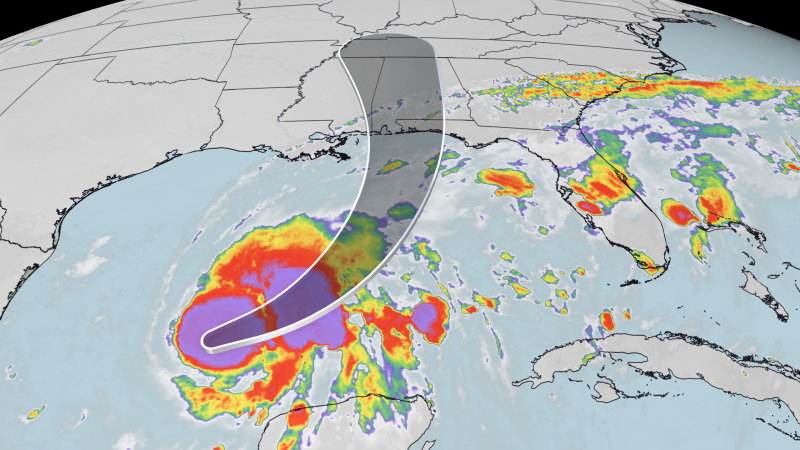
Hurricane hunter aircraft confirmed late Wednesday that Isaias had maximum sustained winds of 75 mph, making it a Category 1 hurricane. At that time, the storm was about 450 miles south-southwest of the mouth of the Mississippi River.
Forecasters expect the hurricane to move east-northeast for roughly another day before turning more sharply toward the northern Gulf Coast. Warm Gulf waters could allow additional strengthening, with Isaias potentially reaching Category 2 intensity and winds near 110 mph by early Friday. Some weakening is possible before landfall, but the system is still forecast to arrive as a dangerous hurricane.
Uncertainty Remains Along the Gulf Coast
The potential landfall zone has narrowed to an area between the Mississippi coast and the western Florida Panhandle. However, the exact point of landfall and the hurricane’s intensity at that time remain uncertain. Dangerous weather can spread well beyond the forecast track, so residents across the region are urged to prepare.
A hurricane warning is in effect from Ocean Springs, Mississippi, east to the Bay-Gulf county line in Florida, including Alabama’s coastline. The warning means hurricane-force winds of at least 74 mph are possible within 36 hours.
A storm surge warning extends from the mouth of the Mississippi River to Florida’s Steinhatchee River. Coastal flooding, gusty winds and heavy rain bands are expected to increase Friday morning and worsen through the afternoon and evening, particularly in exposed and low-lying coastal areas.
The most serious impacts are likely to occur near and east of Isaias’ eventual track. Residents should not view the projected center line as a dividing line between safe and unsafe areas, since hurricane winds, flooding rain and tornadoes can affect communities far from the center.
Heavy Rain Raises Flash-Flood Risk
As Isaias rapidly intensifies into season’s first Atlantic hurricane, forecasters expect 3 to 6 inches of rain from far southeastern Louisiana into the Florida Panhandle, with isolated totals up to 10 inches. Parts of the Southeast, including areas toward the Carolinas and Tennessee Valley, could receive up to 5 inches through Saturday.
The storm’s relatively quick movement may reduce the chance of widespread flooding, but intense rainfall can still overwhelm drainage systems and trigger life-threatening flash flooding. Southern Alabama and the western Florida Panhandle face the greatest risk for the heaviest rain.
People near creeks, drainage canals, low-lying roads and flood-prone neighborhoods should closely follow local alerts. Flooding can develop far inland, and drivers should never attempt to cross water-covered roads when the depth or condition of the roadway is unknown.
Florida and Alabama Take Emergency Measures
Florida Gov. Ron DeSantis declared a state of emergency Tuesday for 25 counties and encouraged residents to review disaster plans and prepare hurricane supply kits. Emergency workers positioned generators, fuel, food, water and flood barriers around Tallahassee and Santa Rosa ahead of possible impacts.
Mandatory evacuation orders are in effect in two Florida Panhandle counties. Okaloosa County ordered residents in coastal areas to leave beginning at noon Thursday and urged visitors to depart by Wednesday evening. Gulf County issued a separate mandatory evacuation order for RVs at three parks and campgrounds because of flood concerns.
Alabama Gov. Kay Ivey declared an emergency for 40 counties Wednesday. Dauphin Island announced a voluntary evacuation beginning Thursday evening for an estimated 350 to 400 homes.
“The recommended evacuations include primarily low beach areas in the west end of the island that are made up of vacation homes and rentals,” city Public Safety Supervisor Troy Gorlott said.
Gulf Coast Hurricane FAQ
When could Isaias affect the northern Gulf Coast? Conditions could begin deteriorating Friday morning, with impacts increasing through Friday afternoon and evening as the hurricane approaches the coast.
Which areas should prepare for hurricane conditions? Residents from the Mississippi coast through coastal Alabama and the western Florida Panhandle should monitor official forecasts, evacuation orders and local emergency guidance.
What should coastal residents do now? Review evacuation plans, secure supplies, follow local alerts and leave promptly if officials issue an evacuation order. Even as Isaias rapidly intensifies into season’s first Atlantic hurricane, conditions and forecasts may continue to change before landfall.
Related Reading
Frequently Asked Questions
What is Isaias rapidly intensifies into season s first?
Isaias rapidly intensifies into season s first is the main topic of this guide. The article explains the context, practical details, and next steps readers should understand.
Why does Isaias rapidly intensifies into season s first matter?
Isaias rapidly intensifies into season s first matters because readers are looking for a useful answer, not just a short summary. Good content should match search intent and help them decide what to do next.