Election Day storm could impact voter turnout in key midterm races in the central US

Daftar Isi
Election Day Storm May Affect Central U.S. Voters
Earthguardiansonline.com – An Election Day storm could impact in-person voting across parts of the central United States, with rain, gusty winds and possible thunderstorms forecast near several closely watched midterm races. While millions of people have already voted early, voters planning to visit polling places Tuesday may encounter changing travel and weather conditions.
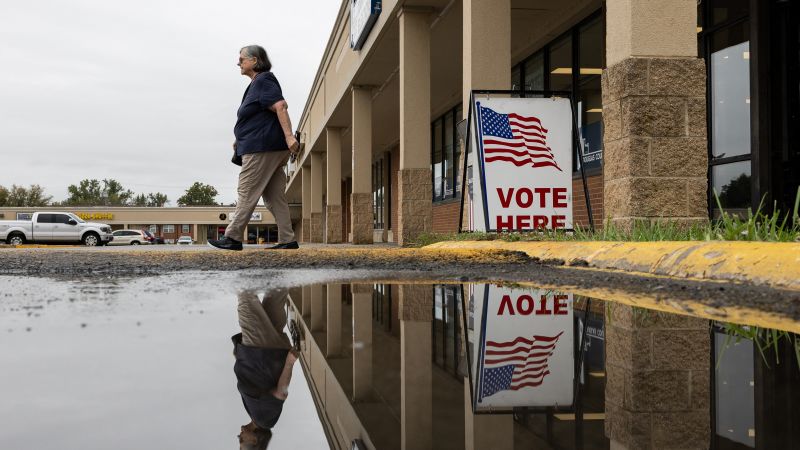
More than 35 million ballots have been cast through early voting. That reduces the number of people exposed to Election Day weather, but millions are still expected to vote in person. Rain can make trips to polling sites slower and less convenient, particularly for voters who walk, use public transportation or travel longer distances.
Rain Could Reach Several Key States
Iowa, Kansas, Michigan, Ohio and Texas are among the states that could see wet weather as the storm system moves across the country. The potential rain zone could extend from parts of the Upper Midwest and Great Lakes to the western Gulf Coast.
Conditions will not be identical throughout that broad area. One community could receive steady rain while another stays mostly dry, and the timing of the system will be important for voters heading to the polls. The Election Day storm could impact some locations more than others depending on its final track and strength.
Gusty winds may accompany the rain in portions of the Plains and Midwest. Farther south, warmer and more unstable air could support strong thunderstorms and heavier downpours. Forecast confidence should improve as Tuesday approaches.
“Exactly which races will see rain next Tuesday is still a toss-up, with questions remaining about the storm’s exact location and strength.”
Why Bad Weather Can Affect Turnout
Research has found that rain can reduce voter turnout, while pleasant weather may make voting easier. Weather alone does not decide an election, and many voters will still cast ballots despite difficult conditions. However, even a modest turnout change can matter in a closely contested race.
Rainy conditions can create practical obstacles, including delayed travel, difficult parking, outdoor lines and slippery accessibility routes. Voters with limited transportation options may face greater challenges if storms arrive during busy voting periods.
Early voting provides an alternative for many people, but those who have not yet voted can still reduce potential disruptions by confirming their polling location, reviewing hours and allowing extra time for travel. An Election Day storm could impact the convenience of voting, not a voter’s ability or right to cast a ballot.
East and West Expected to Be Mostly Drier
Much of the East Coast and West Coast is expected to remain dry outside the central storm corridor. Coastal portions of the Mid-Atlantic and Southeast could still see nuisance showers, but widespread rain is less likely there than in the central United States.
Cold temperatures are not expected to be a widespread voting concern. High temperatures across much of the eastern half of the country are forecast to run 5 to 15 degrees Fahrenheit above average, while the Southwest may be somewhat cooler than normal.
Milder temperatures could make wet conditions easier to manage in many places, though wind and thunderstorms may still complicate travel. Voters should rely on local forecasts rather than statewide expectations because conditions can differ sharply from one county to another.
Local Election Day Weather FAQ
How can I prepare if rain is forecast near my polling place? Check the local forecast shortly before leaving, bring rain gear, plan for extra travel time and confirm the route to your polling location.
Should I expect polling places to close because of rain? Rain alone does not mean a polling place will close. Check with local election officials for verified updates about hours, access or emergency changes.
What should I do if thunderstorms affect my trip to vote? Put personal safety first. Monitor local weather alerts, avoid flooded roads and travel when conditions are safe. Election officials can provide information about polling-site access.
Will the storm affect every central U.S. voter? No. The storm’s track and timing remain uncertain, so some areas may see only scattered showers while others receive more persistent rain or thunderstorms.
As the forecast becomes clearer, local weather updates will offer the most useful guidance. For voters still planning to cast an in-person ballot, a little preparation can help limit the inconvenience an Election Day storm could impact across the region.
Related Reading
Frequently Asked Questions
What is Election Day storm could impact voter?
Election Day storm could impact voter is the main topic of this guide. The article explains the context, practical details, and next steps readers should understand.
Why does Election Day storm could impact voter matter?
Election Day storm could impact voter matters because readers are looking for a useful answer, not just a short summary. Good content should match search intent and help them decide what to do next.