Belarus passes bill to crack down on LGBTQ+ rights echoing similar law in Russia

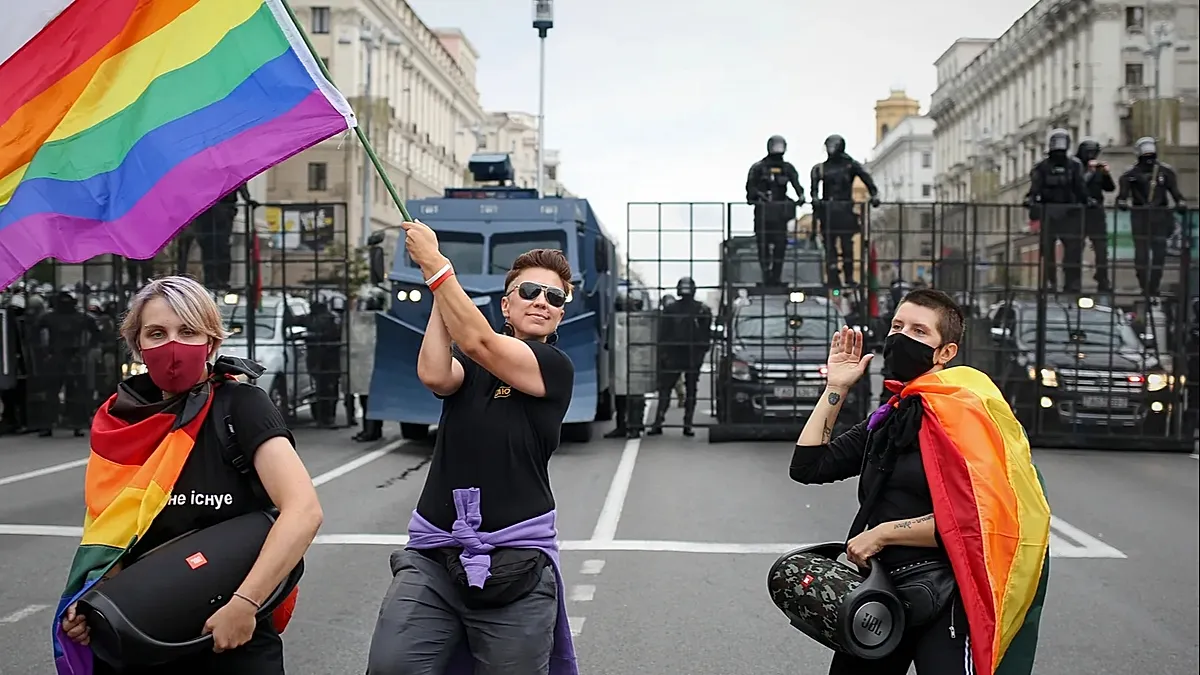
Belarus Approves Law Targeting LGBTQ+ Rights, Mirroring Russia’s Approach
Belarus’ parliament approved a new law on Thursday, introducing penalties for individuals who advocate for LGBTQ+ causes, aligning with restrictive measures seen in Russia. The upper chamber confirmed the measure after the lower house had already approved it in March, setting the stage for President Aliaksandr Lukashenka’s anticipated endorsement.
The legislation targets “homosexual propaganda,” gender identity changes, childbearing reluctance, and paedophilia, offering fines, forced labor, and up to 15 days of detention. Though Belarus legalised same-sex relationships in 1994 following the Soviet Union’s dissolution, it does not acknowledge same-sex marriages and offers minimal legal safeguards for LGBTQ+ communities.
Lukashenka, who has governed the country of 9.5 million people with authoritarian control for over three decades, has openly ridiculed homosexuality. His regime has faced multiple sanctions from Western nations, partly due to human rights abuses and its role in enabling Moscow’s invasion of Ukraine in 2022.
Recent months have seen intensified efforts against LGBTQ+ groups. Activists from transgender organisations have been detained, while security forces routinely raid venues hosting gay events. Defenders of human rights claim the KGB has coerced LGBTQ+ individuals into compliance through intimidation tactics.
“LGBTQ+ people had faced beatings, arrests, persecution, and mockery even before the bill’s approval, but now law enforcement agencies have received legal grounds for repressions,” said Alisa Sarmant, leader of TG House, a Belarusian transgender rights group.
Sarmant highlighted concerns that the law could prevent transgender individuals from legally obtaining essential medications. The group has recorded at least 12 instances of LGBTQ+ targeting in the last three months, including a police operation in Minsk that disrupted a private gay gathering last month.
Russia, meanwhile, has enacted strict measures curbing LGBTQ+ freedoms. Changing gender on official records, gender-affirming care, and public displays of gay or transgender identities are all prohibited. The movement has been labeled extremist, with members facing up to six years in prison.