
Watch: Iranians gather in Tehran following ceasefire announcement
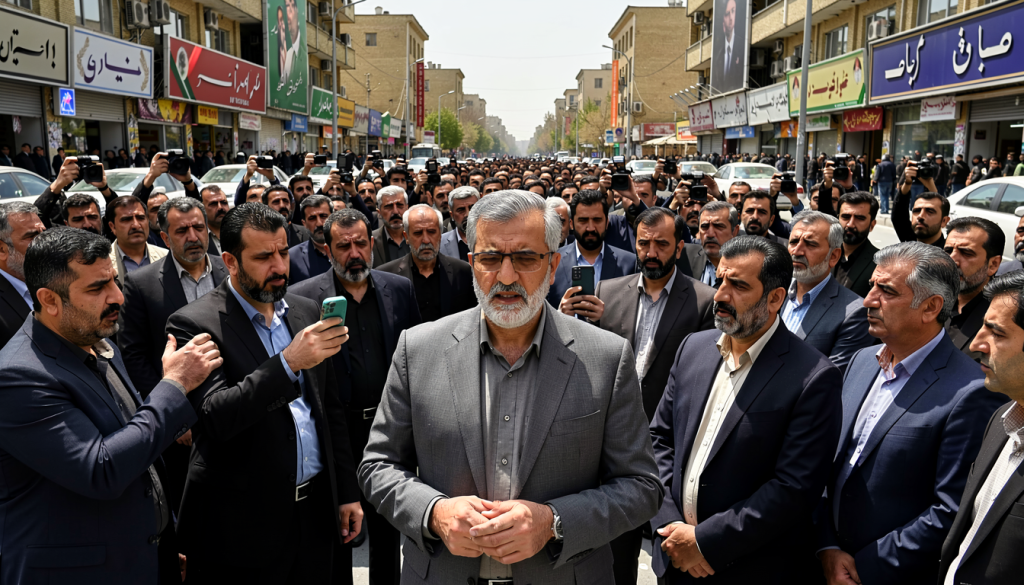
Watch: Iranians gather in Tehran after US-Iran ceasefire deal
Tehran’s streets were filled with citizens waving national flags and chanting as the United States and Iran declared a two-week conditional pause in hostilities. The agreement hinges on Iran allowing unimpeded navigation for vessels through the strategic Strait of Hormuz, provided the U.S. halts its aerial assaults. This development follows a month of escalating conflict, during which Israel and the U.S. targeted Iranian positions, prompting retaliatory strikes across the Gulf region.
Mediation and immediate effect
Pakistan’s Prime Minister Shehbaz Sharif played a key role in facilitating the talks, confirming the ceasefire took effect right away. The deal aims to de-escalate tensions following a series of attacks that disrupted maritime traffic and heightened fears of broader regional instability.
“The ceasefire is effective immediately,” stated Sharif during the negotiations.
Funerals and frontline chaos
BBC reports from the funerals of three journalists killed in southern Lebanon, where Israeli forces were ordered to dismantle bridges and crossings over the Litani River used by Hezbollah for resupply. In a dramatic moment captured by RT, correspondent Steve Sweeney was seen diving out of frame as a missile struck nearby. Lebanon’s National News Agency reported at least 10 fatalities and 27 injuries in the attack.
Verification and regional impacts
Ben Chu of BBC Verify explored the potential role of the Royal Navy in securing the Strait of Hormuz. Meanwhile, displaced Palestinians in Gaza were urged to anchor their tents against strong winds. Dan Johnson spoke with Iranians near the border, highlighting their mixed feelings about the war and the government’s actions.
“Life here is a constant battle against bombs and regime crackdowns,” shared one Iranian at the crossing.
Trade disruption and global repercussions
Trade at the Middle East’s largest port has suffered significantly since Iran imposed a blockade on the Strait of Hormuz. The BBC’s Nick Marsh analyzed how unrest in the region could ripple into global economic costs, with disruptions to oil shipments affecting markets worldwide.
War footage and verification efforts
Footage verified by the BBC shows flames engulfing a building early on Sunday, following intensified attacks on the Gulf state. Social media clips depict towering smoke plumes above the city’s skyline. A witness’s video, confirmed by the BBC, captures a drone crash near the airport, adding to the chaos in the capital.
“The strikes have left us in fear all night,” said a resident recounting the overnight explosions.
Residential evacuations and ongoing conflict
Some residents in Beirut’s Dahieh suburb fled their homes amid sustained Israeli air strikes. Iranians who have left the country shared their experiences of life under bombardment, describing the relentless stress of living in a war-torn environment. The Israeli military announced its “wave of strikes” shortly after ordering civilians in southern Lebanon to evacuate their homes.
